Enter a keyword below to search for articles and products.
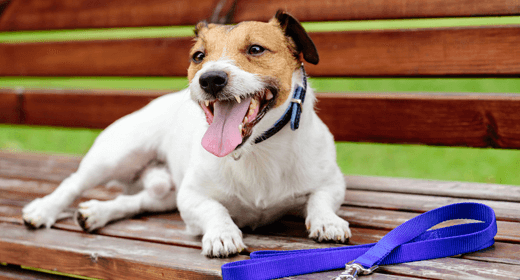
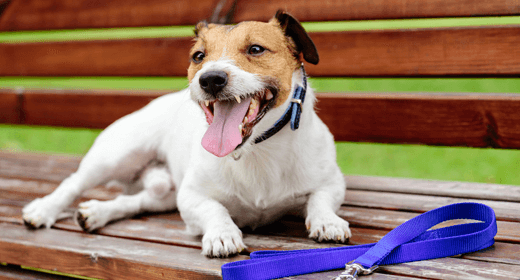
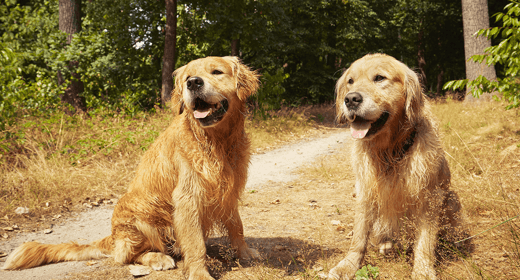
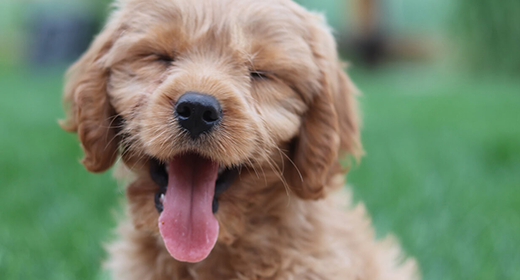
We all adore the sight of our furry friends panting, tongues lolling out in playful exhaustion after a spirited game of fetch or on a warm, sunny afternoon. But have you ever stopped to wonder about the deeper meaning behind this seemingly simple act? What does it tell us about our dog's health and well-being?
While we may find dog panting endearing, it serves a far more crucial purpose than just a cute quirk. Panting is an essential element of canine physiology, playing a vital role in regulating body temperature and communicating emotional states. Knowing the different types of dog panting and their underlying causes can be crucial in providing the best care for our beloved companions.
Dogs pant to regulate their body temperature, a mechanism similar to how humans sweat. While some panting is normal, excessive or unusual panting can be a sign of an underlying health issue.
Understanding why your dog pants is crucial for their health and well-being. While we've previously discussed how panting is their primary cooling mechanism, there's more to the story than just regulating body temperature.
Seeing your beloved furry friend struggling to breathe can be a harrowing experience. But before jumping to conclusions, it's important to stay calm and assess the situation. Here's what you can do when your dog is panting heavily:
If any of these factors are present, the panting is likely a normal physiological response to regulate their body temperature or manage stress. In this case, simply provide your dog with a cool, quiet space, offer fresh water, and allow them to rest.
Pay close attention to any deviations from their normal breathing patterns. Excessive panting in dogs, especially at rest or in a cool environment, may indicate an underlying medical condition and warrants further investigation.
These initial steps can help alleviate panting caused by heat or stress.
While dogs naturally pant for various reasons, like regulating their body temperature or expressing excitement, excessive or unusual panting can be a sign of an underlying health issue. Knowing when to seek veterinary attention is crucial to ensure your furry friend's well-being.
Here's when you should be concerned about your dog's panting:
Panting is a natural and essential part of a dog's physiology, but it's crucial to differentiate between normal panting and signs of distress. By understanding the reasons behind your dog's panting and knowing when to seek help, you can ensure they live a happy, healthy life.
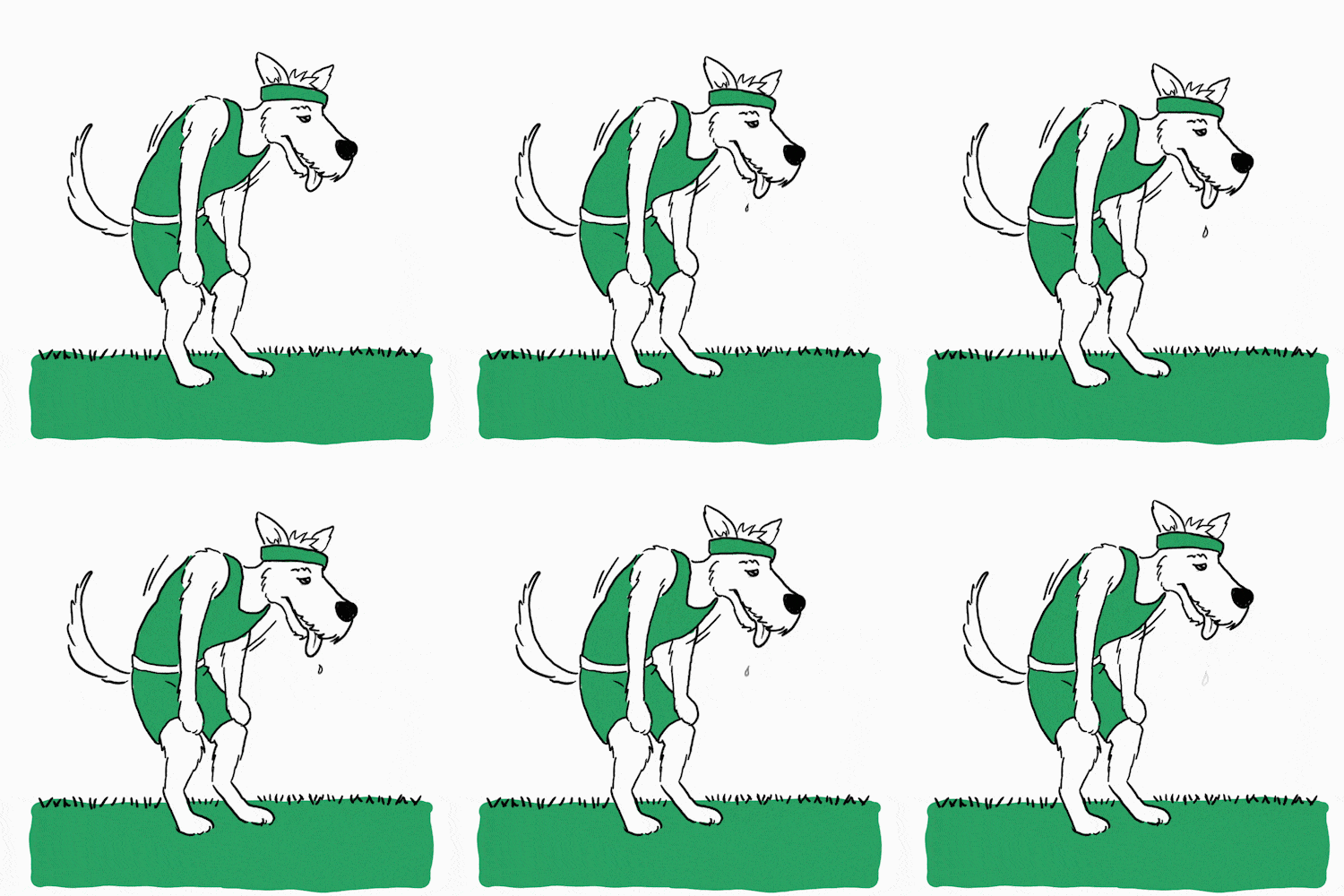
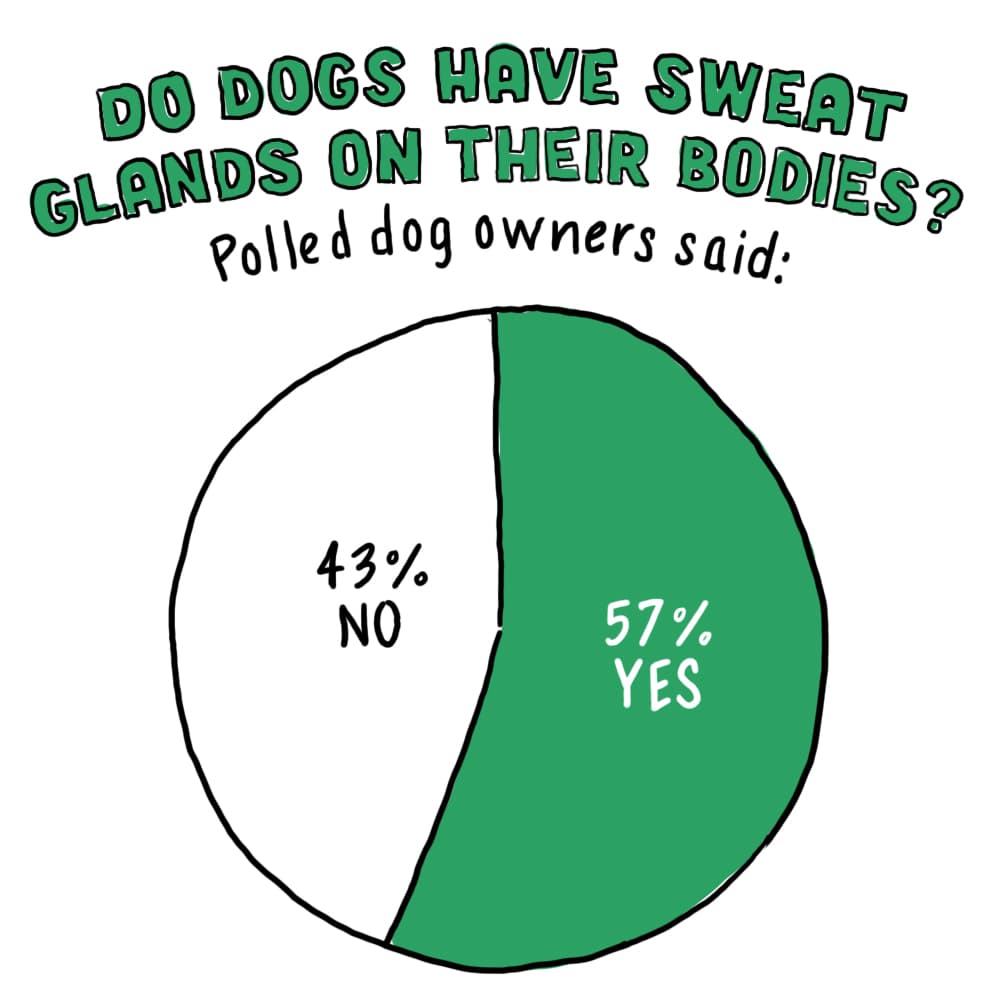
Dogs pant primarily to regulate their body temperature. Since they can't sweat through their skin like humans, they release heat by panting, which involves rapid breathing that helps to cool their body.
If your dog is breathing fast while resting, it could be a sign of distress or an underlying health issue. Normal panting is usually seen after exercise or in hot weather, but fast breathing at rest might indicate a problem and should be checked by a vet.
Concern arises when panting is excessive, continuous, or happens during rest. Look for accompanying signs like lethargy, reluctance to move or eat, and changes in gum colour. In such cases, it's best to consult a veterinarian.
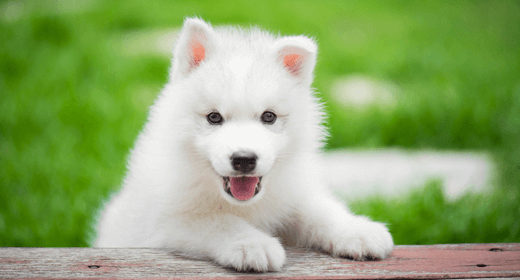
You’ll do anything to keep your puppy healthy and happy—IAMS™ is just the first step. Here’s some extra advice to help your puppy stay extra healthy.
Step 1: Begin with a play session and praise to relax your puppy. Then get on the same physical level as your puppy. With a large dog, kneel next to him while he's in the sitting position; with a small puppy, place him on a grooming table or a countertop.
Step 2: Place one hand over the top of the puppy's muzzle as shown. Hold the pill in your free hand and then gently open his mouth with that hand.
Step 3: Place the pill in the center of the tongue as far back as you're able to reach. Then close your puppy's mouth and hold it shut while you blow gently but quickly at his nose. This will cause your dog to swallow before he has a chance to spit the pill out. Give him a treat immediately afterward to ensure that the pill has really been swallowed. End each session with play and praise.
Just like you, your new puppy needs high-quality health care. Before you run into any dog health issues, ask a friend or your local humane society to recommend a veterinarian, then choose one with these factors in mind:
Once you've narrowed your choices, visit the veterinarian's office. Inspect the facility and talk to the doctor about your new puppy. If you like what you see and hear, arrange a time to bring your puppy in for an initial examination. It's a good idea to visit the veterinarian within the first three days after you bring your puppy home to make sure he's in good health. The veterinarian will probably check: