Enter a keyword below to search for articles and products.
It’s common sense that feeding your cat a high-quality diet has its benefits. But when it comes to maximizing your cat’s lifespan, diet is only part of the equation. Read up on everything you need to do to ensure your cat lives happily for a long time to come.
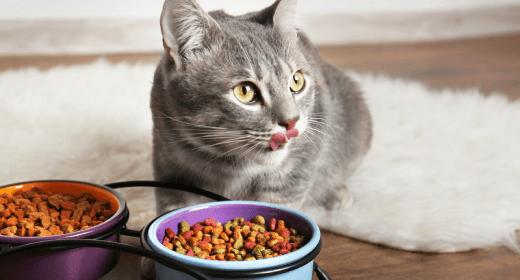
Let’s start with something you do every day: feed your cat. There are several healthy options to choose from, so we’ll help you zero in on the formula that’s best for your cat. It’s important to note that cats are natural carnivores. Therefore, a formula with meat as the primary ingredient is a great place to start. Meat as a protein source has certain nutrients, such as taurine, that non-meat protein sources simply do not.
Regular visits to the veterinarian can help nip health issues in the bud. For instance, a vet will be able to tell if your cat is gaining too much weight and can recommend a diet and fitness program to get your kitty back to a healthy size.
You may even want to bring a fresh fecal sample along to your next appointment. Your vet can use this sample to search for ringworms. This tip can save you extra trips to the vet’s office in case your cat does not cooperate, so to speak, during her appointment.
Also, vets provide your cat with the vaccinations she needs to fight off diseases such as feline rabies. Some vaccinations are required annually, while others should be administered every three years. Your vet’s office can help you keep track of it all, so remember to schedule that appointment!
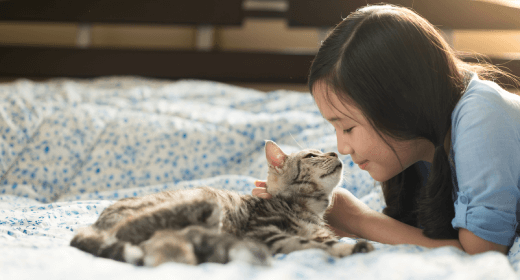
Your cat relies on you for more than just healthy food and fresh water. She needs stimulation. Sure, cats love their independence, but let’s be honest, they love getting attention. By playing with your cat for even 10 to 15 minutes a day, you are doing wonders for her lifespan. Some great games to play don’t even require fancy toys. Get a piece of string and tie it around a clean sock, then yank the string whenever your cat comes in close to investigate. Voila! Instant fun!
Cats don’t go on runs like dogs do, so keeping your cat active with games and toys is the best way to help keep her fit.
Follow these tips and your cat will be on her way to a long and happy life with you. You’re a great owner for taking the time to read this article. It shows how much you really care about her. Now step away from the computer and show your cat some attention!
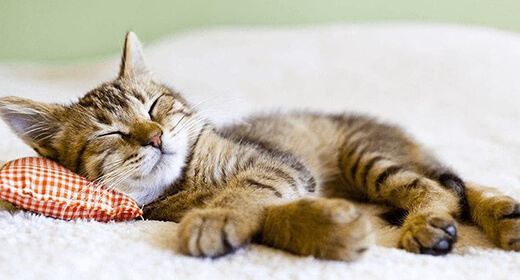
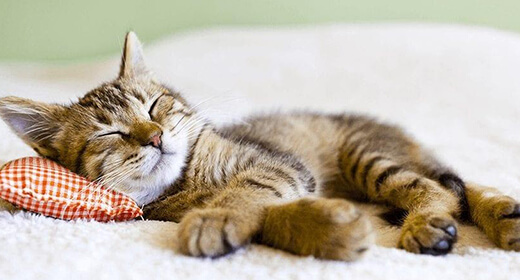
Kittens are super adorable, and it is wonderful to have one as a pet. While it’s fun to have a kitten at home, it’s important to understand your kitten’s various needs during the different stages of its life and take care of it in the right way. ‘How to take care of kittens’ is a question that most first-time kitten owners ask. But taking care of newborn kittens can be quite a hassle-free process if you follow a routine and understand a few do’s and don’ts about kitten care. We, at IAMS, are here to help you with this process in every way we can.
Kitten care is extremely important to make sure your kitten grows up to be a healthy cat. While in the kitten stage, it is still trying to get used to the new surroundings. Therefore, we recommend that you be by its side and help the little kitten acclimatize to its new house.
A kitten becomes a part of your family right from day one. But raising a kitten might sound like a strenuous job if you’re a new pet parent, but it isn’t. The whole process can be quite fun and will help you bond with your kitten.
Some of the most important aspects of looking after a kitten are:
Hygiene: Maintaining good hygiene is always important. You must clean your kitten’s den regularly.
Feeding nutrition-rich food: Your kitten needs a nutritious, balanced diet for healthy growth and development. It is advisable that you buy IAMS Healthy Kitten food. IAMS is Developed with Veterinarians and Chicken is the 1st ingredient of this recipe. This premium kitten food promotes brain development and helps build a healthy immune system.
Regular health check-ups: Take your kitten to the vet regularly to understand its progress in terms of behaviour and health.
Grooming: It is advisable to start grooming your cat at an early age, especially if it has a furry coat or long hair.
As a first-time kitten owner, you might not be well aware of the growth stages your little feline friend will go through, but it’s very important to understand them. So, here’s a table that can help you with the same:
Growth stage | 0-2 weeks (Neonatal) | 2-7 weeks (Socialisation) | 7-14 weeks (Most Active Period) | 3-6 months (Ranking Period) | 6-18 months (Adolescence) |
Character traits | Learns to incline towards sounds | Learns to socialize | This is the most active play period of your kitten | In this stage, the kitten gets most influenced by other kittens in their litter or even other animals. | Asserts maximum dominance in this stage. |
Eyes start to open by this time | Senses of smell and hearing are fully developed by the 4th week | Starts expressing affection through hugging and licking | Starts understanding and asserting ranks on people it lives with. | Exhibits sexual behaviour if not spayed. | |
If the kitten is separated from its mother or siblings, it may tend to get aggressive towards people and other cats. | Sight is fully developed by the 5th week, and they can run and pounce without colliding with obstacles | Can paw, mouth, and hold objects as well | |||
Starts grooming itself | Also starts chasing its tail and starts pouncing and leaping around | ||||
Starts developing sleep patterns, motor abilities and interactions |
The major difference that occurs in taking care of kittens when they grow up is switching their food. Cats need more nutrition and vital elements that keep its body strong and healthy. It is advisable to switch to premium cat food while transitioning your kitten to adult cat food.
If your cat is neglected and does not receive proper care, attention, and nutrition, it may become depressed and weak. Your cat may also contract diseases if it is not kept clean.
While in the kitten stage, it is advisable to schedule frequent visits to the vet to check on the overall health of your kitten. It is advisable to keep a tab on their allergies while it is in the kitten stage.
Here are a few tips for first-time cat owners: