Enter a keyword below to search for articles and products.


It’s common sense that feeding your cat a high-quality diet has its benefits. But when it comes to maximizing your cat’s lifespan, diet is only part of the equation. Read up on everything you need to do to ensure your cat lives happily for a long time to come.
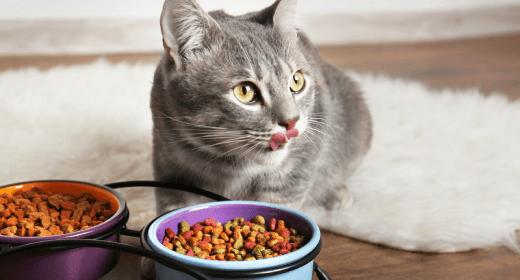
Let’s start with something you do every day: feed your cat. There are several healthy options to choose from, so we’ll help you zero in on the formula that’s best for your cat. It’s important to note that cats are natural carnivores. Therefore, a formula with meat as the primary ingredient is a great place to start. Meat as a protein source has certain nutrients, such as taurine, that non-meat protein sources simply do not.
Regular visits to the veterinarian can help nip health issues in the bud. For instance, a vet will be able to tell if your cat is gaining too much weight and can recommend a diet and fitness program to get your kitty back to a healthy size.
You may even want to bring a fresh fecal sample along to your next appointment. Your vet can use this sample to search for ringworms. This tip can save you extra trips to the vet’s office in case your cat does not cooperate, so to speak, during her appointment.
Also, vets provide your cat with the vaccinations she needs to fight off diseases such as feline rabies. Some vaccinations are required annually, while others should be administered every three years. Your vet’s office can help you keep track of it all, so remember to schedule that appointment!
Your cat relies on you for more than just healthy food and fresh water. She needs stimulation. Sure, cats love their independence, but let’s be honest, they love getting attention. By playing with your cat for even 10 to 15 minutes a day, you are doing wonders for her lifespan. Some great games to play don’t even require fancy toys. Get a piece of string and tie it around a clean sock, then yank the string whenever your cat comes in close to investigate. Voila! Instant fun!
Cats don’t go on runs like dogs do, so keeping your cat active with games and toys is the best way to help keep her fit.
Follow these tips and your cat will be on her way to a long and happy life with you. You’re a great owner for taking the time to read this article. It shows how much you really care about her. Now step away from the computer and show your cat some attention!
If you have a cat at home, you have probably seen it vomit every now and then. Cats throwing up is something common but healthy cats should not be throwing up too often. If you notice that your cat is puking frequently, it could be because of several reasons. It is best to take your cat to the vet and schedule regular checkups to make sure that any underlying causes are treated in time.
That being said, you do not have to rush your cat to the doctor when and if it vomits. Occasional vomiting is not a cause of concern, steps for treatment should be taken only when your cat starts to vomit after every meal or every day. Keep reading to know more about why your cat’s throwing up and what you should do to look after it.
Just like us humans, cats can vomit because of various reasons. A cat can vomit if it is exposed to a toxic ingredient. For example, being exposed to a toxic plant that makes your cat vomit can be a reason for chronic vomiting. Cats have a habit of playing with strings and if they ingest any of these toxic bodies, they can stay in its system and cause chronic vomiting.
Vomiting is such a common occurrence in cats that it cannot point out a particular illness or infection. Almost all feline diseases result in vomiting and to find out the actual cause, you will have to take your cat to a vet. It can be for reasons ranging from intestinal issues, organ dysfunction, gastric issues, diet, infections, cancer, and more.
Here are a few reasons why your cat’s throwing up:
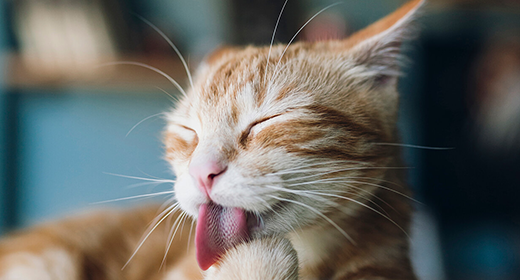
Cats love self-grooming and you will always find them licking themselves. This causes their rough tongue to pull out loose hair out of their coat and swallow it. When a large amount of coat hair accumulates in the stomach and is not easily digested, it leads to your cat throwing up a hairball. Cat hairball vomit is extremely normal and there is nothing to worry about. However, if you notice that your cat is throwing up hairballs too often, it could be a sign of gastrointestinal problems. Get it checked by your vet to be on the safer side.
Gastroenteritis is just a fancy term for an upset tummy. This can be caused due to medication side effects, dietary problems, toxins, and more. Most of the time, symptoms of gastroenteritis are mild and resolve on their own while others can be chronic and will need a professional’s attention.
Foreign bodies or obstructions: If your cat has a habit of eating or chewing on the toys it plays with, its GI tract can get blocked and can result in bouts of vomit. When vomiting is induced by a foreign material in your cat’s body, urgent help is required. It’s best to take your cat to the vet immediately and get it looked at.
Food allergies and Inflammatory Bowel Disease: Food cat allergies are not common, but some can cause your cat to vomit. If your cat eats a trigger food, it will immediately start throwing up because of the inflammation in their digestive tract. Sometimes, food allergies can also cause chronic diarrhoea.
Systemic Illnesses: Many chronic illnesses such as pancreatitis, hyperthyroidism, kidney diseases, and more can cause your cat to feel nauseous and throw up. If you notice that your cat is throwing up too much, it is best to get it looked at, so the diagnosis of the above-mentioned diseases is not delayed.
Parasites: Parasites usually cause vomiting in kittens, but it can happen to cats of all ages. Check your cat's vomit for live worms. The only good news about parasite-induced vomiting is that it is 100% curable.
Cancer: Digestive tract cancer is very common in cats. Cancer in other parts of the body can also lead to vomiting.
Cats vomit because of many reasons and the appearance of their vomit can help us get an idea about what’s bothering them. It is best to observe or take a look at your cat’s vomit so you can tell your vet about it. This will help them find out the underlying cause and treat your cat accordingly. Here are some common types of cat vomit:
Yellow vomit | If your cat is throwing up yellow vomit, it could be because of partially digested food or bile in its stomach. |
Clear vomit | Clear vomit can occur due to an empty stomach or due to the regurgitation of saliva from the oesophagus. |
White, foamy vomit | Hairball-induced vomit on an empty stomach can cause your cat’s vomit to appear white and foamy. |
Bloody vomit | Bloody vomit can be caused due to inflammation in the stomach, oesophagus, or in the upper intestines. |
Brown and smelly vomit | Brown and smelly vomit can be a sign of bleeding in your cat’s digestive tract. It could also indicate an issue with your cat’s kidney or liver. |
There are a lot of things that you can do to prevent your cat from vomiting. The best way to rule out any common causes of cats throwing up is to take care of their diet. If your feline suffers from cat allergies, ask your vet for a special diet. This can help your kitty keep chronic vomiting at bay.
Make sure that you are feeding your cat a balanced and nutritious meal and not giving it too many table scraps. Keep an eye on your cat when it is playing and do not let it eat any of its toys. Rubber, strings, and more can cause your cat to vomit. Lastly, consider over-the-counter cat hairball vomit remedies. If your cat’s coat has long hair, ask your veterinarian to prescribe some products that can help reduce or prevent hairball vomiting.
Many cat parents try to find products that they can give their cats to prevent or stop vomiting. Since there are so many reasons that can cause your cat to throw up, picking a product based on a single issue is extremely difficult. If your cat is throwing up because of organ diseases or cancer, treating the disease should be a priority. If your cat has a mild case of vomiting, your vet may prescribe antiemetic medications or antacids. For gastrointestinal issues, your cat may need to switch to a more gut-friendly diet.
Your veterinarian will decide what tests and treatments are necessary for your cat based on these aspects:
Whether it has fever, is lethargic, or is depressed?
Whether it has a good appetite or lost any weight?
Is it throwing up blood?
Is your cat in pain or is experiencing abdominal discomfort?
Are your cat’s bowels affected?
Is it vomiting too many times in a day or just right after a meal?
Does the vomit stink or have a particular colour?
Did you recently change your cat’s diet or put it on supplements?
Is your cat chewing on any toys or is it eating any other foods?
Are other cats in your house also affected?
If your cat is vomiting too much and some serious symptoms of underlying diseases are suspected, your veterinarian may suggest more tests and suggest more aggressive treatments. If your cat has lost a lot of blood or electrolytes by vomiting frequently, you may need to get it hospitalised.
Before you go on to treating your furry friend, you must know the different cat vomiting reasons:
Ingestion of a toxin from the fur is the most common cause of cat vomiting.
Cats have a proclivity for chewing on attractive house plants, which can lead to plant poisoning.
If the cat is present when its parent cleans its living space with a high-fume chemical agent, the inhalation of toxic chemicals - such as cleaning agents - can cause poisoning in cats.
If your cat skips a meal or eats later than usual, it may regurgitate the undigested food.
Another reason why cats vomit frequently is their rapid change of food. It is recommended that you transition your cat to a new diet slowly over a one to two-week period, gradually reducing the amount of current cat food while gradually increasing the quantity of new cat food.
Dietary indiscretion, pollutants, or medication side effects might cause gastric problems such as an upset stomach.
Some cases are minor and can go away on their own, but others can be serious and require medical attention from a veterinarian.
Ingestion of a foreign object, such as a string or a small toy that becomes lodged in the stomach or intestines, is a common cause of intestinal blockages in cats.
An intestinal blockage is a highly serious ailment that requires immediate attention. It can be caused by underlying health concerns such as a tumour or difficulty with intestinal movements.
Some of the common signs include your cat puking frequently or its inability to keep down water or food.
Prolonged disorders such as pancreatitis, kidney disease, and hyperthyroidism can all cause nausea and chronic vomiting in cats for numerous reasons.
Identification of the underlying ailment is required to address many causes of cat vomiting with many of these conditions requiring lifelong therapy.
One of the most prevalent feline endocrine illnesses is hyperthyroidism (sometimes known as an overworked thyroid).
Thyroid overactivity is caused by a tumour (usually benign) in the thyroid gland that pumps too much thyroid hormone into the bloodstream.
This increase in your cat's metabolism can result in your cat throwing up.
Repeated cat vomiting should never be ignored because it can lead to dehydration. But because vomiting is common in cats, how do you know what’s normal? “A general guideline is that if the cat is vomiting one to three times a month, we consider this normal,” says Dr Folger.
He considers it serious if the vomiting occurs twice daily for two or three days. If your cat stops eating, seems to have stomach pain, or retches continuously, or if the vomit is mixed with blood, take it to a veterinarian. And as always, if you’re suspicious that a lingering problem could be harmful to your pet, call your veterinarian. A visit to the office can help relieve your cat’s discomfort and your worries as well.