Enter a keyword below to search for articles and products.
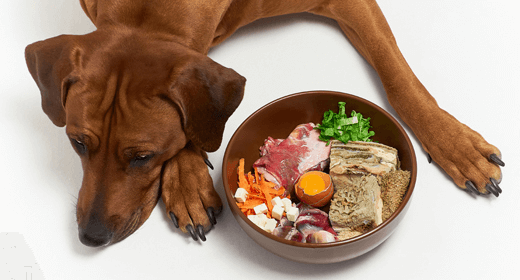
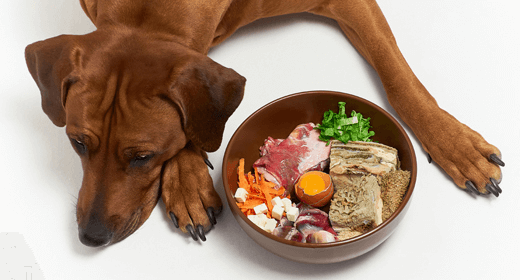
Protein is best known for supplying amino acids to build hair, skin, nails, muscles, tendons, ligaments, and cartilage. It also plays a main role in hormone production.
The protein in dog foods can be supplied by animal sources, plant sources or a combination of the two. High-quality animal-source proteins contain all of the essential amino acids dogs need, while a single plant-based protein might not contain adequate amounts of some essential amino acids.
Common animal-based protein sources used in pet food include chicken, lamb, fish, and beef.
Even though they are often fed plant-based diets, dogs are not herbivores. While dogs are technically considered to be omnivores—animals that eat both animal- and plant-based foods—they should be treated primarily as carnivores to better fulfill their specific nutritional requirements.
Dogs are members of the Canidae family. This family also includes the wolf, coyote, fox, and jackal. The ancestors and relatives of today's common dog hunted animals and ate them as a means of survival.
The body structure of domestic dogs is similar to that of their ancestors and relatives and is ideal for eating prey. Dogs have the enlarged carnassial teeth after which carnivores are named. Their gastrointestinal tract is simple and does not have the capacity to digest large amounts of plant products.
Animal-based proteins help dogs achieve optimal health.


Feeding your dog the right nutrients and a complete, balanced diet doesn’t have to be a head-scratcher. Find out how to choose the right dog food, how often to feed your dog, how to handle treats and supplements, and much more.
We often find ourselves wanting to share our meals with our furry companions. While it's natural to want to share every aspect of our lives with them, should we really include dogs in our gastronomic adventures? Let’s find out!
The answer is both yes and no. While dogs are omnivores and can eat a variety of foods, their digestive systems differ significantly from ours. This means that some human foods that are perfectly safe for us can actually be harmful or even toxic to our canine companions.
Here are some safe and healthy human foods dogs can eat:
Beware of these common human foods that are toxic to dogs:
While it's certainly tempting to share our meals with our beloved furry companions, it's crucial to remember that their dietary needs are distinct from ours. Human foods, even those seemingly harmless, can be detrimental to a dog's health.
Why? Unlike human food, dog food is specially formulated to meet their specific nutritional requirements. It's a carefully balanced diet packed with proteins, essential vitamins, minerals, and other nutrients vital for their overall well-being.
For instance, IAMS dog food is crafted with your dog's health in mind. It provides a range of benefits such as:
Our ultimate goal is to take the best care of our dogs. This means feeding them with nutrient-rich foods that cater to their specific dietary needs. By choosing the right food, like IAMS products, you ensure that your dog stays healthy, energetic, and happy.