Enter a keyword below to search for articles and products.
Antioxidants are nutrients found naturally in the body and in plants such as fruits and vegetables. Common antioxidants include vitamin A, vitamin C, vitamin E, and certain compounds called carotenoids (like lutein and beta-carotene).
As cells function normally in the body, they produce damaged molecules called free radicals. These free radicals are highly unstable and steal components from other cellular molecules, such as fat, protein, or DNA, thereby spreading the damage.
This damage continues in a chain reaction, and entire cells soon become damaged and die. This process is called peroxidation. Peroxidation is useful because it helps the body destroy cells that have outlived their usefulness and kills germs and parasites. However, peroxidation, when left unchecked, also destroys or damages healthy cells.
Antioxidants help prevent widespread cellular destruction by stabilizing free radicals. More important, antioxidants return to the surface of the cell to stabilize, rather than damage, other cellular components.
When there are not enough antioxidants to keep peroxidation in check, free radicals begin damaging healthy cells, which, in turn, can lead to problems. For example, free-radical damage to cells of the immune system can lead to an increased risk of infections.
Because antioxidants play a key role in minimizing damage to human cells, such as those that make up the immune system, research examined the benefits of certain antioxidants on the immune response of dogs. The results of these studies indicated that antioxidants are important in helping dogs maintain a healthy immune system.
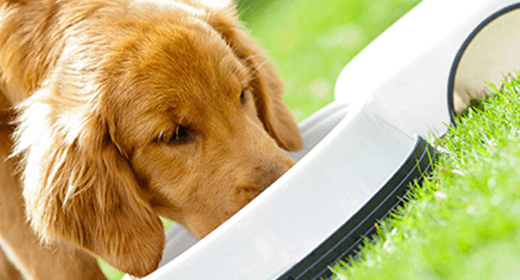
Feeding your dog the right nutrients and a complete, balanced diet doesn’t have to be a head-scratcher. Find out how to choose the right dog food, how often to feed your dog, how to handle treats and supplements, and much more.
We often find ourselves wanting to share our meals with our furry companions. While it's natural to want to share every aspect of our lives with them, should we really include dogs in our gastronomic adventures? Let’s find out!
The answer is both yes and no. While dogs are omnivores and can eat a variety of foods, their digestive systems differ significantly from ours. This means that some human foods that are perfectly safe for us can actually be harmful or even toxic to our canine companions.
Here are some safe and healthy human foods dogs can eat:
Beware of these common human foods that are toxic to dogs:
While it's certainly tempting to share our meals with our beloved furry companions, it's crucial to remember that their dietary needs are distinct from ours. Human foods, even those seemingly harmless, can be detrimental to a dog's health.
Why? Unlike human food, dog food is specially formulated to meet their specific nutritional requirements. It's a carefully balanced diet packed with proteins, essential vitamins, minerals, and other nutrients vital for their overall well-being.
For instance, IAMS dog food is crafted with your dog's health in mind. It provides a range of benefits such as:
Our ultimate goal is to take the best care of our dogs. This means feeding them with nutrient-rich foods that cater to their specific dietary needs. By choosing the right food, like IAMS products, you ensure that your dog stays healthy, energetic, and happy.