Enter a keyword below to search for articles and products.
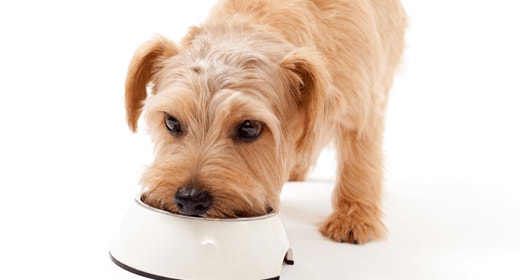
Nutrients such as protein, fat, vitamins, and minerals are important players in the skin and coat health of dogs. To understand the role of these nutrients, it is necessary to start by understanding skin and hair.
The purpose of skin and hair is to block things from leaving (such as water or heat) or entering (such as viruses and bacteria) the body.
The hair coat is composed almost entirely of protein. If the animal's diet doesn't contain adequate protein quantity and quality, hair may fall out, or become dry, weak and brittle.
Skin is made up of squamous cells, flat cells tightly packed together. These cells have tough membranes that are composed of proteins and fats. Without proper amounts of these nutrients, cell membranes weaken, allowing water to escape and bacteria and viruses to enter more easily.
Proteins are found in both animal-based and plant-based ingredients. Animal-based proteins contain all the essential amino acids dogs need, whereas plant-based proteins may contain only some essential amino acids. Animal-based proteins help dogs achieve optimal health.
Fats can also be found in both animal-based and plant-based ingredients. They are incorporated into skin cells as fatty acids. There are two essential fatty acids for skin and coat health. Linoleic acid maintains skin and coat condition in dogs. Without enough linoleic acid dogs may experience dull, dry coat, hair loss, greasy skin and increased susceptibility to skin inflammation.
Both of these essential fatty acids are omega-6 fatty acids and are found in animal tissues like chicken fat. Linoleic acid is also found in some vegetable oils, such as corn and soybean oils.
Most commercial dog diets contain more than adequate amounts of omega-6 fatty acids. Because these fatty acids can be converted to compounds that increase susceptibility to skin inflammation, it is important to balance the amount of omega-6 fatty acids in the diet with omega-3 fatty acids, which reduce susceptibility to inflammation.
Omega-3 fatty acids are found in oils from fish and some plants (canola and flax).
IAMS research has found that combining fat sources in the diet at a ratio of 5-10 omega-6 fatty acids to 1 omega-3 fatty acid results in excellent skin and coat health.
Vitamins and minerals are essential for the development of healthy skin and hair coat. The best way to provide these nutrients is through a complete and balanced diet containing appropriate amounts of essential vitamins and minerals rather than through supplements.
| Vitamin or Mineral | Importance to Skin and Coat Health |
| Vitamin A | Necessary for growth and repair of skin |
| Vitamin E | Protects skin cells from oxidant damage |
| Biotin | Aids in the utilization of protein |
| Riboflavin (B2) | Necessary for fat and protein metabolism |
| Zinc | Necessary for fat and protein metabolism |
| Copper | Involved in tissue pigment and protein synthesis |
Diet is often believed to be a factor when changes in skin and coat condition are noticed. The most common causes of these changes, however, are season and life stage.
As cold weather approaches, most dogs grow a thick coat to help keep heat in and cold air out. As the weather begins to warm up, they shed the thick, heavy coat.
Most puppies are born with soft fuzzy hair, but as they age, a coarser coat grows. Pregnant or lactating dogs also may experience a change in coat condition or hair loss. And, as with humans, the hair on dogs may thin out and become coarser and white as they reach their senior years.
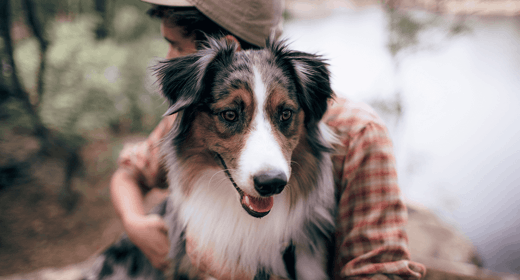
Most humans recognise a hug as a sign of affection and close friendship. That is exactly why we feel this strong urge to hug dogs out of love. After all, they are the best type of best friends. As pet parents, we love greeting our pawsome pals with dog hugs. However, do dogs like hugs? In an IAMS™ survey*, 83% of dog parents say their dog likes hugs too. Is this true? We’re going to try and get an answer to this question.
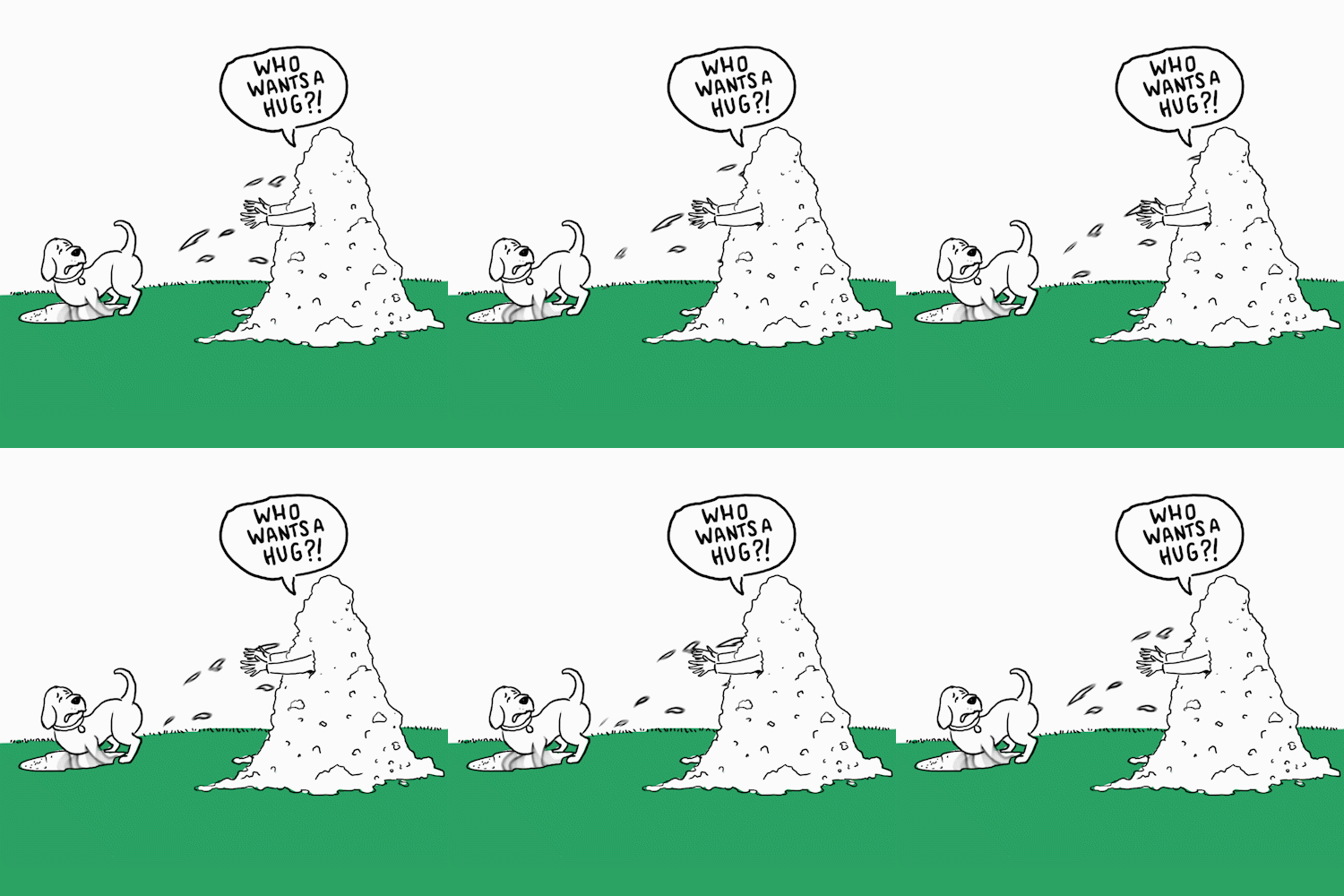
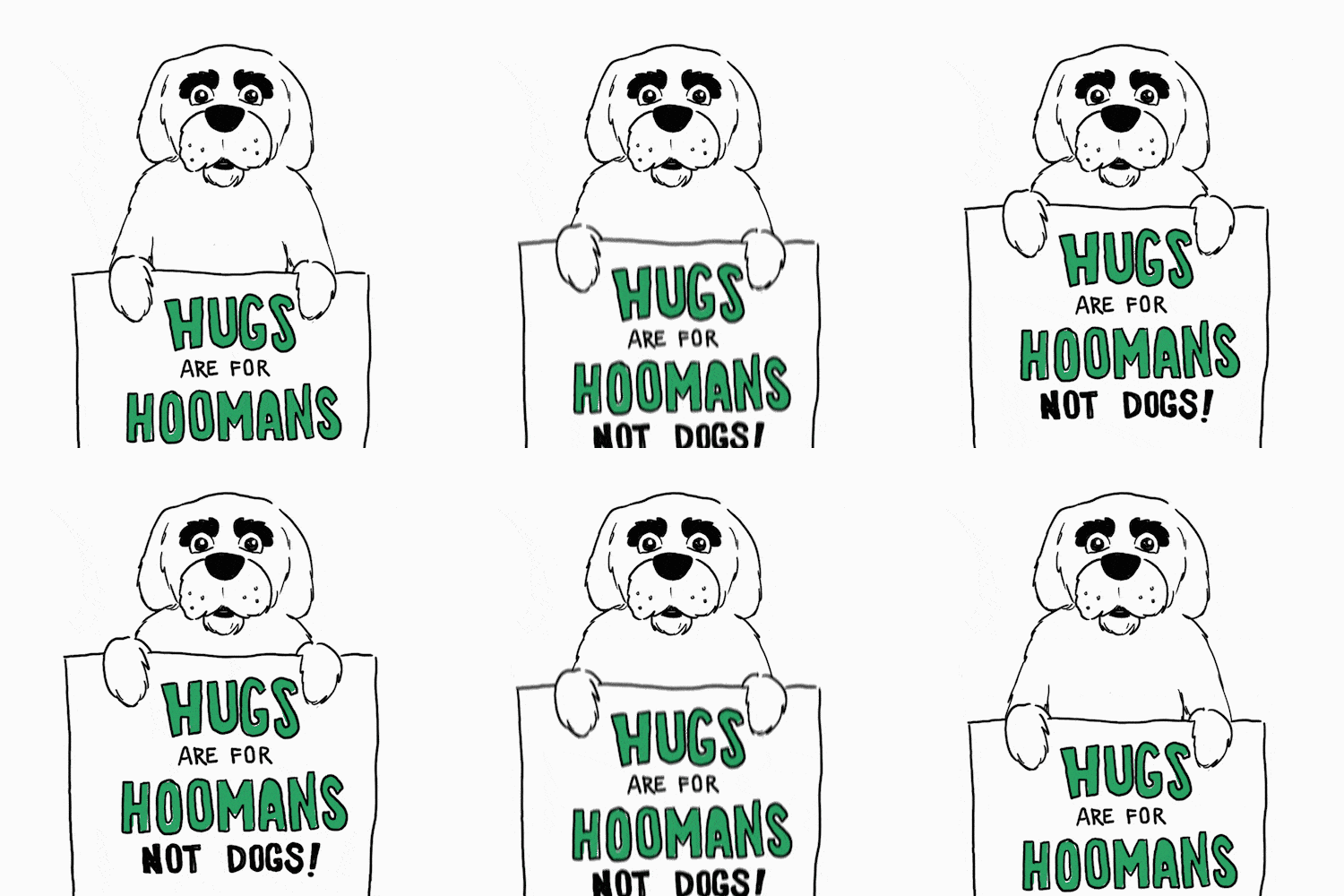
The short answer is no. Dogs do not like hugs. Now, let’s look at a bit of an explanation to this.
Some dogs enjoy canine cuddles, but usually only with their owner or household members. Otherwise, they don’t care about it. “Hugging is too much and overwhelming for many dogs and should be discouraged if the dog doesn’t know the individual very well”, advises James Serpell, B.Sc., Ph.D., Professor of Humane Ethics & Animal Welfare at the University of Pennsylvania School of Veterinary Medicine.
So, why don’t dogs like hugs? To understand this, we may need to look at what a dog really feels when you try to hug it.
Here is what your pooch probably experiences when you try to engulf it in an embrace:
Hugging is human behaviour and not dog behaviour. These animals are just not physically built for that kind of interaction. We stand upright, so we face people. Dogs are on all fours, making hugging an unnatural act for them. Hence, they prefer a friendly sniff.
As humans, hugging your dog might seem like the purest way of expressing love, however, to dogs, a hug comes off as dominating behaviour. It feels like someone is trying to assert control over them. It can be stressful, especially if done by a stranger.
Since ancient times, a canine’s first instinctive defense has been to run away from danger. And hugging makes them feel trapped and confined. As humans, we too feel awkward when a person we barely know gives us a long and tight hug, right? Dogs somewhat feel the same. To some extent, they would also want to escape.
Sniffing is a dog’s way of expressing love. However, we humans definitely don’t regard sniffing the same way. And no matter how much we love our canine companion, we do feel a little uncomfortable with this gesture. Similarly, your pet might find hugs discomforting. Don’t worry. A dog’s body language will give you all the signs you need to know about their comfort level. But in order to understand these signs, you must learn to read them. So, let us understand some signs that indicate your dog is uneasy.
Dogs try to avoid anything that stresses them out. So, if your dog looks away when you enfold them in your arms, they don't like hugs. Your furry friend might also open their eyes wide while looking away and this allows you to notice their whale eyes. Whale eyes are when you see the whites of a dog’s eyes. Now, that is another indication of stress and discomfort.
Dogs are generally flexible when relaxed. If your dog gets stiff when you wrap your hands around them, you should probably set them free. Your dog might also lower or tuck their tail under the belly out of stress. Moreover, you must also pay attention to your pet’s ears. Lowered ears are a sign of a stressed dog.
It’s no news that we yawn when exhausted. However, if your pooch yawns during dog hugs, they are getting stressed out. It is their way of conveying that they don’t like something.
Every dog is unique. While most of them feel uncomfortable with hugs, some might like being embraced. Here’s how you can confirm if your furball doesn’t feel suffocated when you hug them:
Tail wagging can mean several things. However, you know your dog is happy when they give you a full-body tail wag. Slow, relaxed wags mean that your dog feels composed and at ease.
Placing the paws on the hugger signifies that your dog welcomes this form of attention. A dog’s paws can do more than just walk and dig holes. It is one of the most effective modes of communication for them.
Don’t worry if your dog doesn’t want to hug it out. There are plenty of healthier ways you can show them you are still their best friend: