IAMS SG
Why Is My Dog Shaking?

adp_description_block457
What To Do When My Dog Is Shaking?

  • Share

Since we cannot directly communicate with our dogs, there are certain behaviours and actions that immediately concern us. One of these behaviours is a dog shaking. No, not the fun way they shake off water starting from their nose all the way to the end of their tail. We’re talking about that full-body trembling you’ve likely seen your pooch do from time to time. Why do they do it? And is it something you should be worried about?

Why is my dog shaking?

A majority of dog owners in an IAMS™ survey* (64%) think the reason behind a dog shivering is that they are cold. Other top responses were because the dogs are scared (57%) or anxious (54%). High-fives all around because it turns out there are a number of reasons why dogs shake, and all those are possible correct answers. Here are some probable reasons behind a dog trembling:

  • They're chilly

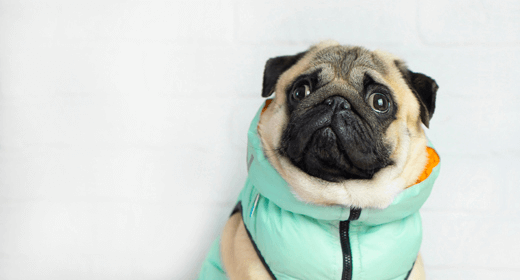
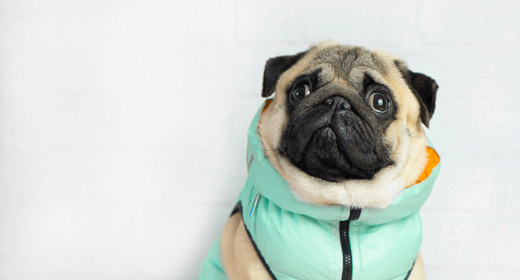
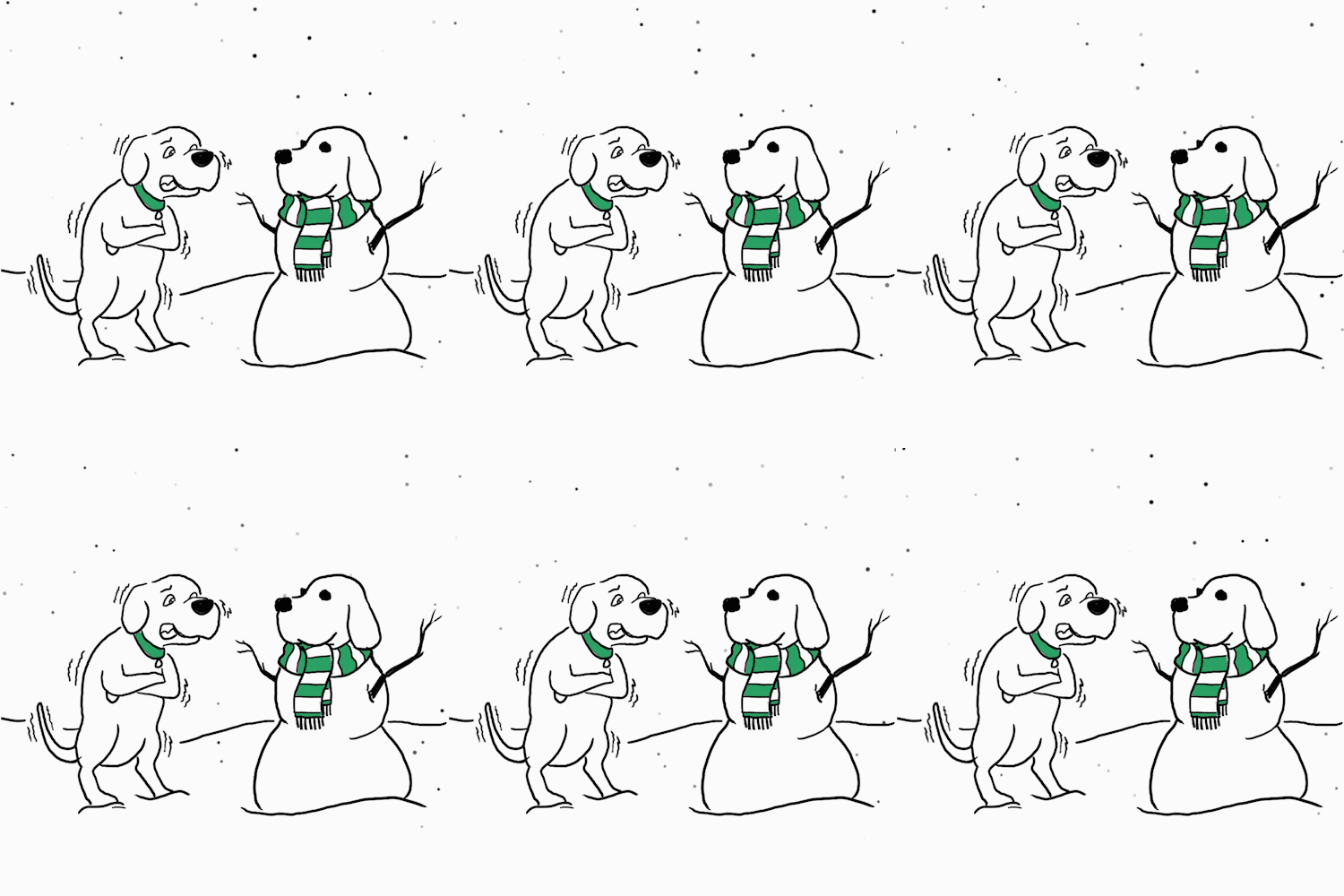
Just like their owners, dogs will often shiver when cold. Dr. Tammie King, Applied Behaviour Technical Leader at Waltham Petcare Science Institute, says: “Dogs shiver in response to falling temperatures. Dogs with short or no hair are especially susceptible. You should get them warm, put coats on them or bring them inside.”
shake fr dogs

  • They're anxious or scared

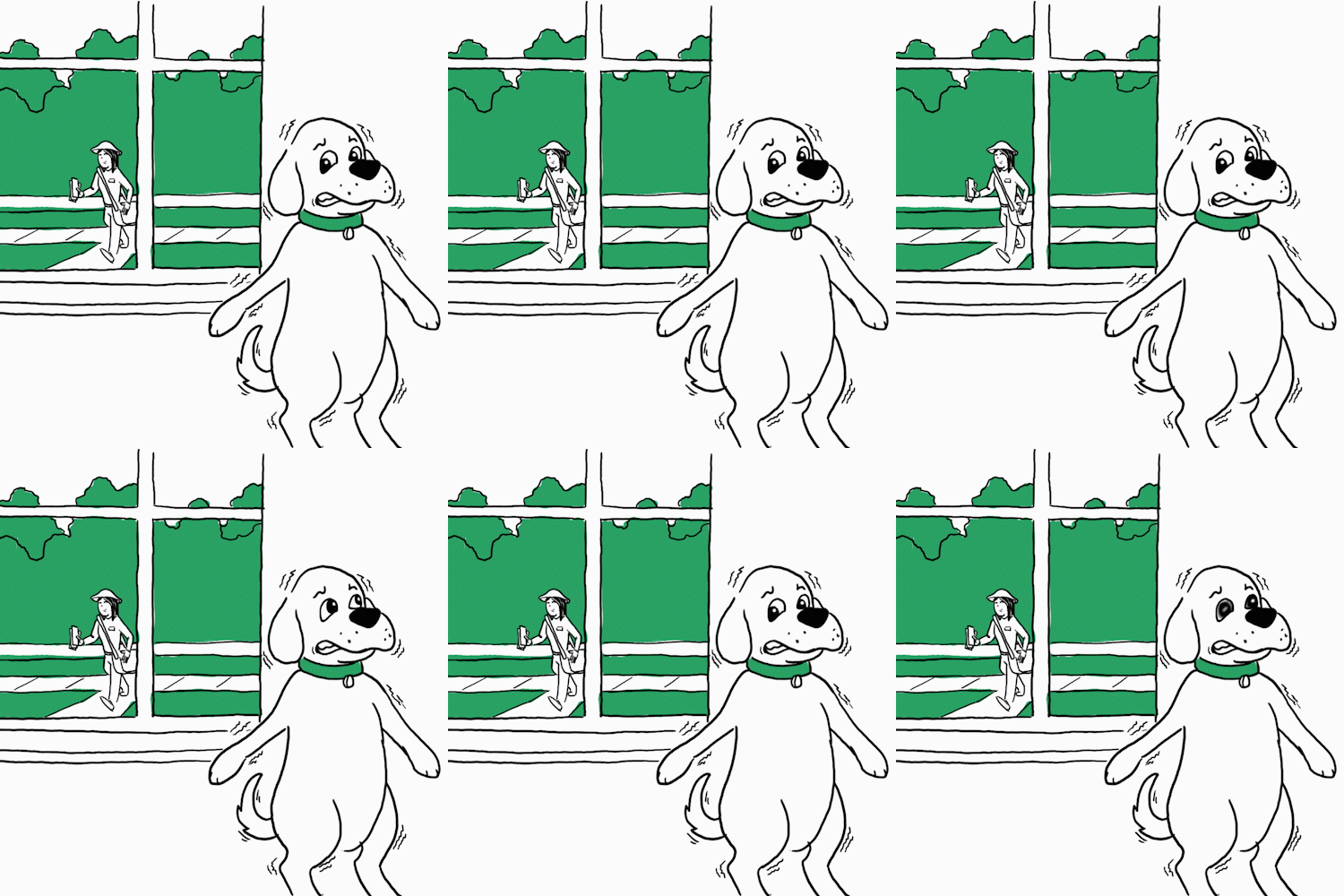
“Shaking is a response to epinephrine or adrenaline secretion — a sign of anxiety where the dog is on high alert,” says James Serpell, B.S., Ph.D., Professor of Humane Ethics & Animal Welfare at the University of Pennsylvania School of Veterinary Medicine. You may notice this when you’re at the vet or there’s a situation where they feel threatened. Dr. Serpell also offers a way to help in some cases: “Identify what’s triggering the behaviour. Provide them comfort. Going forward, you can gradually desensitise your pet to the thing it’s afraid of.”
shake fr dogs

  • They’re excited

This is probably the most comforting answer to every dog owner’s concern. Apart from being a response to anxiety or stress, a dog’s trembling can also be a result of excitement. This trembling or shaking is not a matter of concern and will stop once the animal calms down.


  • They're not feeling well

Trembling can also be a sign of serious issues like injury, poisoning, or kidney disease. Dr. Jo Gale, BVetMed CertLAS MRCVS, Senior Manager, Global Science Advocacy at Waltham Petcare Science Institute urges pet owners to be vigilant: “If a pet is unwell in another way, they could be trembling.” If their shaking is accompanied by symptoms like diarrhoea, limping, or vomiting, you should consult your vet straight away.

  • They’re suffering from Shaker syndrome

Shaker syndrome has been observed in white dogs of smaller-sized breeds. It causes shivering in a dog’s entire body. The precise cause of this syndrome is not yet known; however, your vet will be able to prescribe medications upon close examination.


  • They’re getting old

Old age is also a pretty common cause of shaking and shivering in dogs. This is because age reduces tolerance to even a slight amount of cold. Besides that, shaking can also be a result of other old-age-related issues like joint pains or weakening of limbs.


When to see a vet for dog shivering or shaking?

As mentioned earlier, you should immediately consult a vet if, along with shaking, your dog is also experiencing vomiting, limping, or diarrhoea. Even though shaking is a common symptom of old age-related issues, you must take your dog to the vet. If they are suffering from joint pain, early treatment is necessary. It is also advisable to visit a vet if your dog’s shaking or shivering hasn’t stopped even after a few minutes. 

Additionally, if you ever notice violent shaking in your dog, it might actually be a seizure. In such a case, rush to an emergency room as quickly as possible.


FAQs on Why is My Dog Shaking

  1. Why is my dog shivering?
  2. Your dog may be shivering due to the cold or because they are stressed out. If you are unable to identify the exact cause of dog trembling or shivering, do reach out to a vet immediately.

  3. What should I do if my dog is shaking?
  4. Firstly, identify the potential cause for your dog to shake or tremble. If your dog is shaking out of excitement, anxiety, or stress, it is not a matter of concern, and you can simply try to calm the pet down. If the animal is shaking due to cold, wrap it in blankets and layers until the dog’s shaking stops. However, if neither of these is the cause, look for other symptoms of illness or injury. The shaking might be due to either of those, and your dog may need immediate medical help.

  5. How do you comfort a shivering dog?
  6. If your dog is shivering due to cold, wrap them in blankets until they feel warm. If they are feeling anxious, you can take them to a place where they feel safe. You can also talk to them in a comforting tone until they feel calm.

  7. Should I be worried if my dog is shaking?
  8. A dog’s shaking or shivering is not always a matter of concern. For instance, if it is caused by anxiety, stress, or excitement, the shaking will stop in a few minutes, or as soon as your dog calms down. Also, if it is caused due to cold, it will stop once your dog feels warm again. However, if it is caused due to an injury, or is accompanied by symptoms like vomiting and diarrhoea, it is a matter of concern and needs immediate attention from a vet. You may also need to consult a vet if your dog is a senior suffering from shaking or trembling.

  9. What does it look like when a dog has tremors?  
  10. Tremors in a dog are involuntary and rhythmic muscle movements which may occur in the entire body or in parts of the body. These movements may either be fast or slow.

  • A Comprehensive Guide to Canine Weight Loss
    A Comprehensive Guide to Canine Weight Loss

    adp_description_block481
    A Comprehensive Guide to Canine Weight Loss

    • Share

    Have you ever wondered why some dogs seem a bit heavier than they should be? Dogs, like humans, can face weight issues, and it's crucial to ensure that they are in their best shape. In today's world of treats and limited exercise, more and more pet parents find themselves asking, 'Why is my dog fat?'. Dealing with dogs and weight loss can be tricky to work along if you don’t know how to go about on this journey of weight loss in dogs. Yet, how should you know if your dog is gaining weight and how to make your dog lose weight? 


    These days, dogs are grappling with weight issues. And as a dog parent, you must take a closer look at your pet’s body condition. Be curious about questions like, can you feel your dog's ribs easily? Is there a visible waistline? These observations play an essential role in assessing whether your canine companion needs assistance in the weight department. If you find your dog needing help with weight loss, then you must act promptly. Let's explore canine weight management and how to help dog lose weight.


    Why should dogs embark on a weight loss journey?

    Maintaining a healthy weight for your dog is not just about the appearance; it's about their overall well-being. Dogs with excess weight face health risks, including diabetes and heart diseases. Understanding why your dog is gaining weight would be the first step towards ensuring a longer and healthier life for your furry friend. Overweight and obese dogs often have shorter life spans, emphasising the need to act promptly. This is why it is essential for you to start considering weight loss by providing your pooch with a healthy and hearty lifestyle.


    How to make a dogs lose weight?

    Struggling with dogs and weight loss can be stressful for pet parents. However, fret not. Here is what you need to do to start your dog’s journey towards weight loss:


    • Feeding a balanced diet

    A balanced diet contains all essential nutrients required for your pooch’s healthy growth. Consulting your vet for a tailored meal plan is suggested when planning your dog’s weight loss journey. It is also important to choose high-quality, low-calorie dog food to maintain a balanced diet. Portion control should be practiced to avoid overfeeding and excessive calorie intake.


    • Regular exercise

    One of the key elements to dogs losing weight is regular and consistent exercise. Develop a regular exercise routine tailored to your dog's breed and age. Take your floof for brisk walks, play a game of fetch, or simply plunge into the pool for swimming to keep them active. Gradually increase the intensity and duration of exercise for gradual weight loss. It is also recommended to combine regular exercising with healthier food for best results.


    • Medical conditions

    Your pooch’s weight problem can also be linked to numerous medical conditions. It is best to schedule regular vet visits to rule out underlying health issues causing weight gain. Conditions like thyroid problems may contribute to weight gain in dogs. Discuss appropriate medications or supplements with your vet for well-guided canine weight loss.


    • Maintenance

    Consistently monitor your dog's progress and adjust the plan as needed. Gradual weight loss is ideal to prevent health complications. If you notice your fur baby losing or gaining too much weight within a short period, then you should get them checked by a vet. Stick to the plan even after your dog achieves their target weight for overall well-being.


    • Check progress

    While it's essential to encourage weight loss, it's equally crucial to ensure your dog doesn't lose weight too quickly or in an unhealthy manner.


    Beware of abnormal canine weight loss

    While shedding that extra weight is essential, you need to make sure your fur baby’s weight loss journey is healthy and effective for a longer period. Given below are a few things you should be mindful of to avoid abnormal weight loss in dogs:


    • Over exercise: Avoid excessive physical activity that could lead to strain or injury. Pay attention to signs of fatigue or discomfort during workouts. 
    • Stress: Changes in behaviour, appetite, or energy levels may indicate stress. You should also create a calm and supportive environment to help your dog feel secure.
    • Diseases: Sudden weight loss could be a symptom of an underlying health issue. It is also recommended to consult your vet promptly if you notice any alarming changes in your dog's weight.


    Helping your dog achieve and maintain a healthy weight is essential for their overall well-being. By following the aforementioned steps, consulting your vet, and observing your furry friend closely, you can contribute to a happier life together. Create a healthy weight loss plan, so your dog leads a happy life.

Close modal