IAMS SG
Why Is My Dog Shaking?

adp_description_block12
What To Do When My Dog Is Shaking?

  • Share

Since we cannot directly communicate with our dogs, there are certain behaviours and actions that immediately concern us. One of these behaviours is a dog shaking. No, not the fun way they shake off water starting from their nose all the way to the end of their tail. We’re talking about that full-body trembling you’ve likely seen your pooch do from time to time. Why do they do it? And is it something you should be worried about?

Why is my dog shaking?

A majority of dog owners in an IAMS™ survey* (64%) think the reason behind a dog shivering is that they are cold. Other top responses were because the dogs are scared (57%) or anxious (54%). High-fives all around because it turns out there are a number of reasons why dogs shake, and all those are possible correct answers. Here are some probable reasons behind a dog trembling:

  • They're chilly

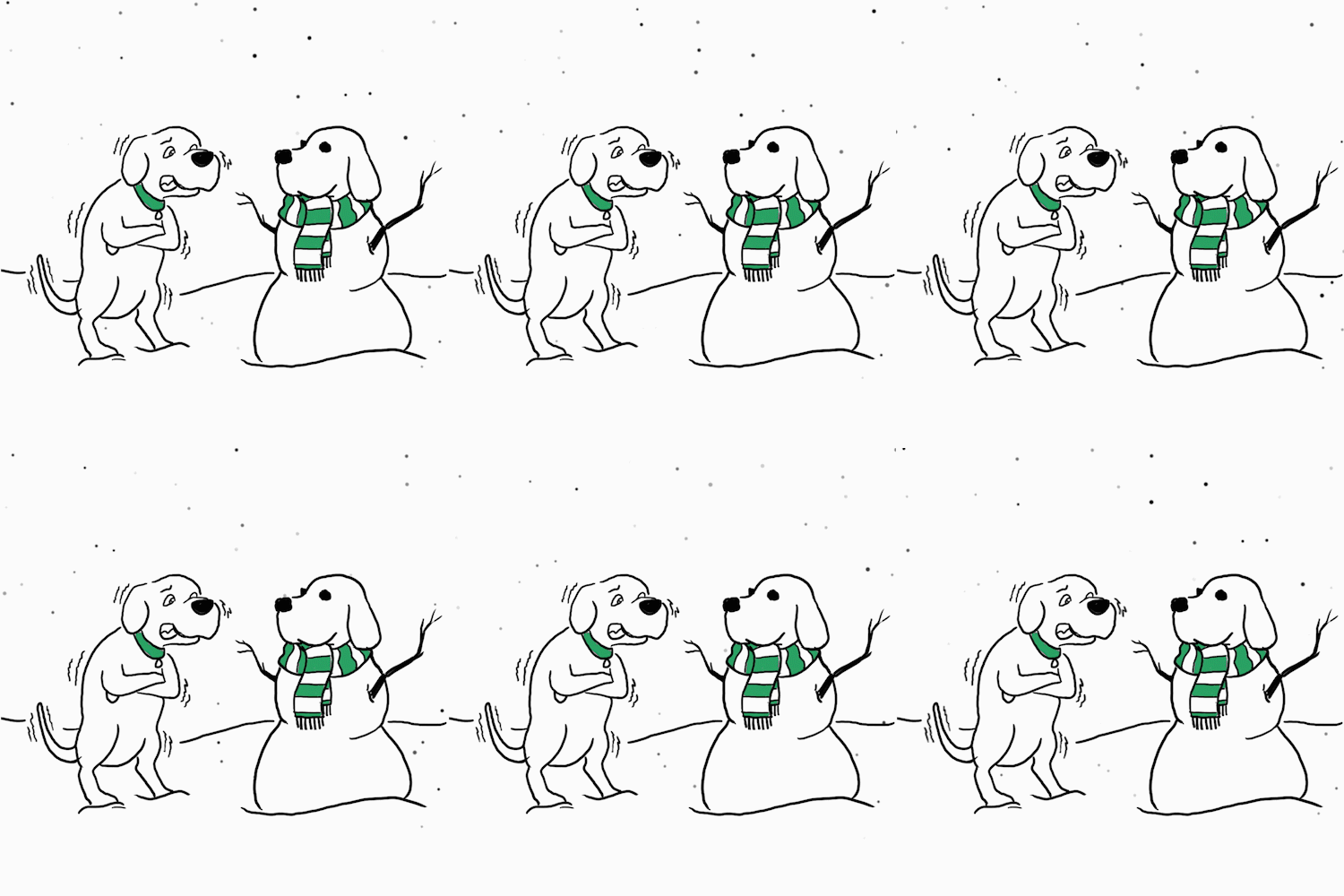
Just like their owners, dogs will often shiver when cold. Dr. Tammie King, Applied Behaviour Technical Leader at Waltham Petcare Science Institute, says: “Dogs shiver in response to falling temperatures. Dogs with short or no hair are especially susceptible. You should get them warm, put coats on them or bring them inside.”
shake fr dogs

  • They're anxious or scared

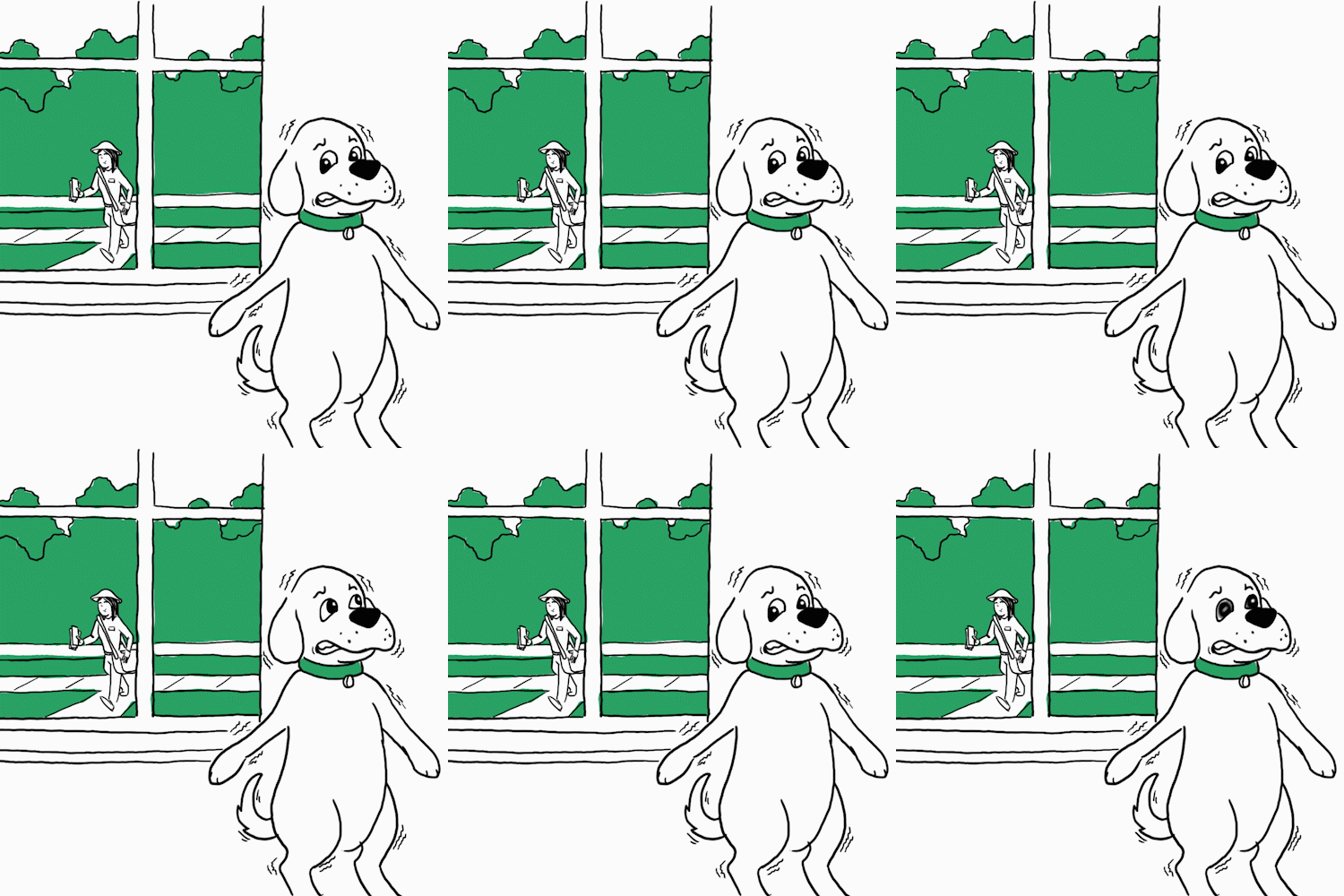
“Shaking is a response to epinephrine or adrenaline secretion — a sign of anxiety where the dog is on high alert,” says James Serpell, B.S., Ph.D., Professor of Humane Ethics & Animal Welfare at the University of Pennsylvania School of Veterinary Medicine. You may notice this when you’re at the vet or there’s a situation where they feel threatened. Dr. Serpell also offers a way to help in some cases: “Identify what’s triggering the behaviour. Provide them comfort. Going forward, you can gradually desensitise your pet to the thing it’s afraid of.”
shake fr dogs

  • They’re excited

This is probably the most comforting answer to every dog owner’s concern. Apart from being a response to anxiety or stress, a dog’s trembling can also be a result of excitement. This trembling or shaking is not a matter of concern and will stop once the animal calms down.


  • They're not feeling well

Trembling can also be a sign of serious issues like injury, poisoning, or kidney disease. Dr. Jo Gale, BVetMed CertLAS MRCVS, Senior Manager, Global Science Advocacy at Waltham Petcare Science Institute urges pet owners to be vigilant: “If a pet is unwell in another way, they could be trembling.” If their shaking is accompanied by symptoms like diarrhoea, limping, or vomiting, you should consult your vet straight away.

  • They’re suffering from Shaker syndrome

Shaker syndrome has been observed in white dogs of smaller-sized breeds. It causes shivering in a dog’s entire body. The precise cause of this syndrome is not yet known; however, your vet will be able to prescribe medications upon close examination.


  • They’re getting old

Old age is also a pretty common cause of shaking and shivering in dogs. This is because age reduces tolerance to even a slight amount of cold. Besides that, shaking can also be a result of other old-age-related issues like joint pains or weakening of limbs.


When to see a vet for dog shivering or shaking?

As mentioned earlier, you should immediately consult a vet if, along with shaking, your dog is also experiencing vomiting, limping, or diarrhoea. Even though shaking is a common symptom of old age-related issues, you must take your dog to the vet. If they are suffering from joint pain, early treatment is necessary. It is also advisable to visit a vet if your dog’s shaking or shivering hasn’t stopped even after a few minutes. 

Additionally, if you ever notice violent shaking in your dog, it might actually be a seizure. In such a case, rush to an emergency room as quickly as possible.


FAQs on Why is My Dog Shaking

  1. Why is my dog shivering?
  2. Your dog may be shivering due to the cold or because they are stressed out. If you are unable to identify the exact cause of dog trembling or shivering, do reach out to a vet immediately.

  3. What should I do if my dog is shaking?
  4. Firstly, identify the potential cause for your dog to shake or tremble. If your dog is shaking out of excitement, anxiety, or stress, it is not a matter of concern, and you can simply try to calm the pet down. If the animal is shaking due to cold, wrap it in blankets and layers until the dog’s shaking stops. However, if neither of these is the cause, look for other symptoms of illness or injury. The shaking might be due to either of those, and your dog may need immediate medical help.

  5. How do you comfort a shivering dog?
  6. If your dog is shivering due to cold, wrap them in blankets until they feel warm. If they are feeling anxious, you can take them to a place where they feel safe. You can also talk to them in a comforting tone until they feel calm.

  7. Should I be worried if my dog is shaking?
  8. A dog’s shaking or shivering is not always a matter of concern. For instance, if it is caused by anxiety, stress, or excitement, the shaking will stop in a few minutes, or as soon as your dog calms down. Also, if it is caused due to cold, it will stop once your dog feels warm again. However, if it is caused due to an injury, or is accompanied by symptoms like vomiting and diarrhoea, it is a matter of concern and needs immediate attention from a vet. You may also need to consult a vet if your dog is a senior suffering from shaking or trembling.

  9. What does it look like when a dog has tremors?  
  10. Tremors in a dog are involuntary and rhythmic muscle movements which may occur in the entire body or in parts of the body. These movements may either be fast or slow.

  • Is Your Mature Dog Eating Less?
    Is Your Mature Dog Eating Less?

    adp_description_block427
    Is Your Mature Dog Eating Less?

    • Share

    Does your mature dog sniff at his bowl and walk away instead of digging in? You may think he’s just being picky, but it’s important to keep an eye on how much he’s eating — especially if he’s a senior. While age-related diminishment of the senses of smell and taste may account for some of his disinterest in food, appetite loss can also indicate a serious medical problem.

    “It’s important to give your dog enough calories because weight loss can be debilitating to senior pets,” says Wendy Brooks, D.V.M., who warns that a loss in appetite should be mentioned to your vet. A good rule of thumb: If your pet hasn’t eaten in a day, make a visit to the vet. Here are six ways to entice your canine friend with a nourishing meal.


    article is your mature dog eating less header


    6 Ways to Encourage Your Senior Dog to Eat More


    1. Mix Dry Food with Moist Food

    Many animals find canned food more palatable because they like the taste and texture, Brooks says. You can top their favorite dry food with room-temperature wet food.


    2. Warm It Up

    Dogs like a warm or room-temperature (not hot or cold) meal. Avoid serving him day-old wet food from the refrigerator, and keep his food away from heat. Another reason he might not be eating: It's too hot outside.


    3. Try a Change

    Dogs prefer consistency when it comes to their food. Don't change every day, but try a new flavor, such as lamb or chicken, and see if he responds (it may trigger his sense of smell). To avoid an upset stomach, introduce a new food by mixing it with his old food in equal increments each day.


    4. Stay Close

    Common mature-dog health issues, such as arthritis or joint pain, can make it difficult for him to access his bowls. Keep food and water where he spends most of his time. Put a water bowl on all floors of the house, too.


    5. Keep the Fresh Water Flowing

    Older pets are at a higher risk of dehydration. Provide a clean bowl with fresh water at all times. It will help prevent disease, such as a kidney condition, and aid in digestion.


    6. Offer Praise

    Dogs are people pleasers. If you see him eating, give him a little verbal reward. He'll know it makes you happy and will repeat the behavior.

Close modal