Enter a keyword below to search for articles and products.
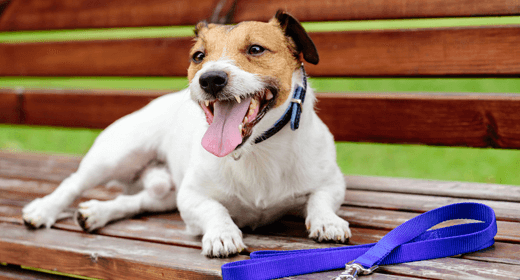
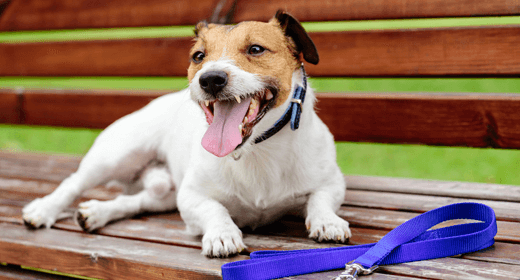
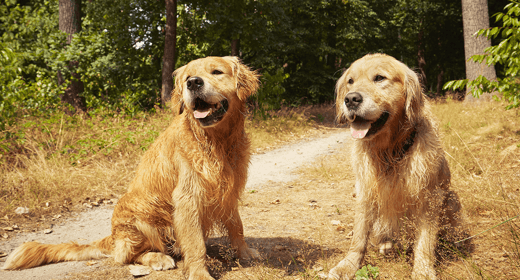
We all adore the sight of our furry friends panting, tongues lolling out in playful exhaustion after a spirited game of fetch or on a warm, sunny afternoon. But have you ever stopped to wonder about the deeper meaning behind this seemingly simple act? What does it tell us about our dog's health and well-being?
While we may find dog panting endearing, it serves a far more crucial purpose than just a cute quirk. Panting is an essential element of canine physiology, playing a vital role in regulating body temperature and communicating emotional states. Knowing the different types of dog panting and their underlying causes can be crucial in providing the best care for our beloved companions.
Dogs pant to regulate their body temperature, a mechanism similar to how humans sweat. While some panting is normal, excessive or unusual panting can be a sign of an underlying health issue.
Understanding why your dog pants is crucial for their health and well-being. While we've previously discussed how panting is their primary cooling mechanism, there's more to the story than just regulating body temperature.
Seeing your beloved furry friend struggling to breathe can be a harrowing experience. But before jumping to conclusions, it's important to stay calm and assess the situation. Here's what you can do when your dog is panting heavily:
If any of these factors are present, the panting is likely a normal physiological response to regulate their body temperature or manage stress. In this case, simply provide your dog with a cool, quiet space, offer fresh water, and allow them to rest.
Pay close attention to any deviations from their normal breathing patterns. Excessive panting in dogs, especially at rest or in a cool environment, may indicate an underlying medical condition and warrants further investigation.
These initial steps can help alleviate panting caused by heat or stress.
While dogs naturally pant for various reasons, like regulating their body temperature or expressing excitement, excessive or unusual panting can be a sign of an underlying health issue. Knowing when to seek veterinary attention is crucial to ensure your furry friend's well-being.
Here's when you should be concerned about your dog's panting:
Panting is a natural and essential part of a dog's physiology, but it's crucial to differentiate between normal panting and signs of distress. By understanding the reasons behind your dog's panting and knowing when to seek help, you can ensure they live a happy, healthy life.
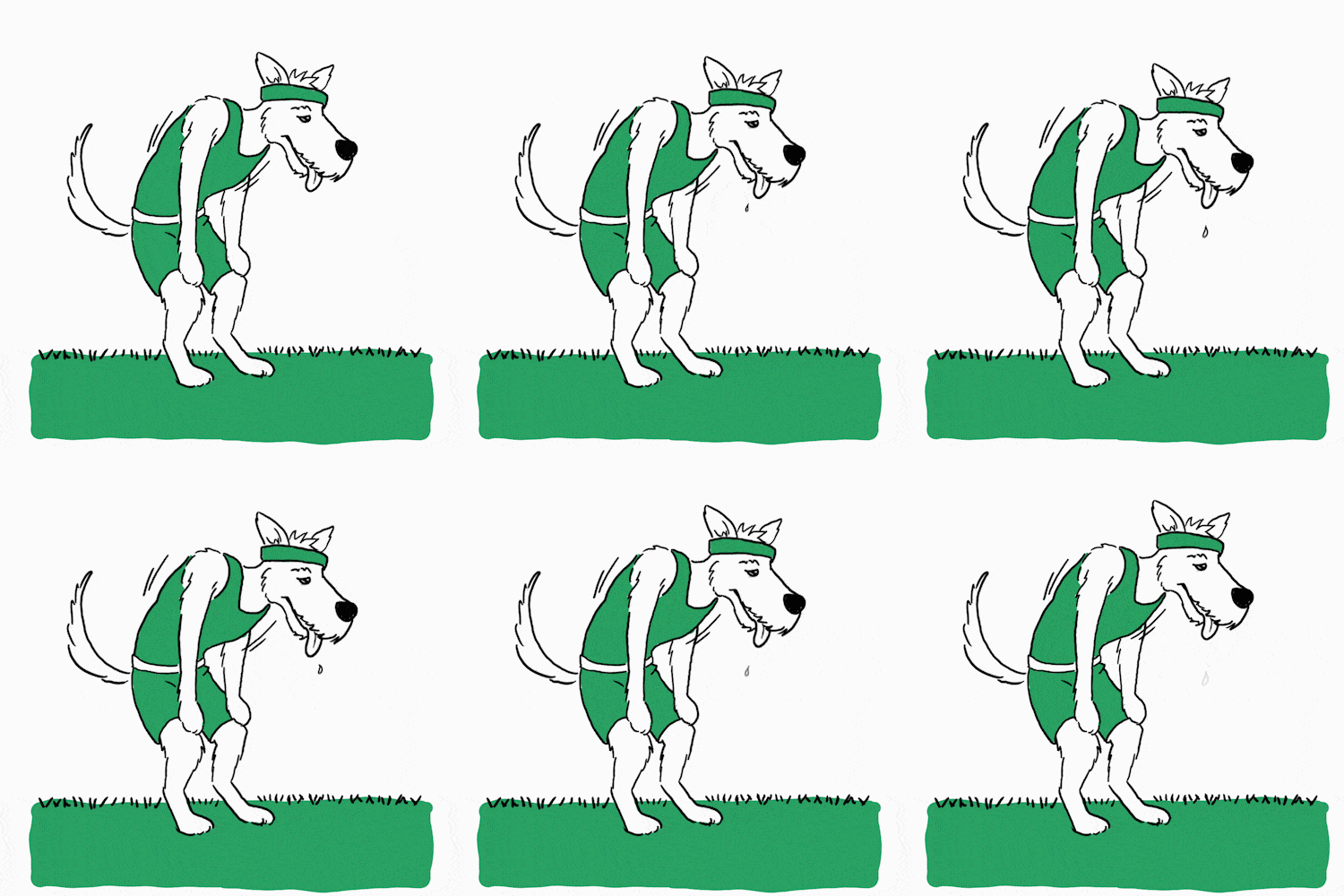
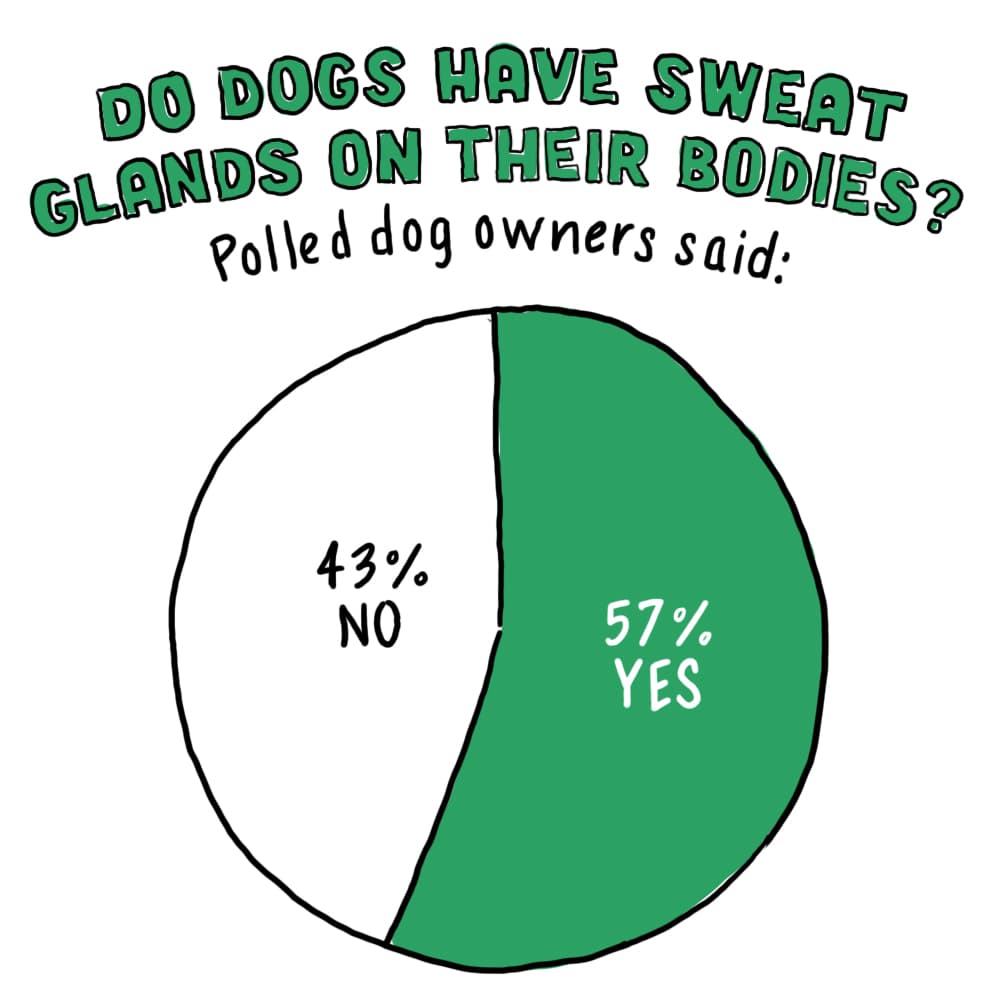
Dogs pant primarily to regulate their body temperature. Since they can't sweat through their skin like humans, they release heat by panting, which involves rapid breathing that helps to cool their body.
If your dog is breathing fast while resting, it could be a sign of distress or an underlying health issue. Normal panting is usually seen after exercise or in hot weather, but fast breathing at rest might indicate a problem and should be checked by a vet.
Concern arises when panting is excessive, continuous, or happens during rest. Look for accompanying signs like lethargy, reluctance to move or eat, and changes in gum colour. In such cases, it's best to consult a veterinarian.
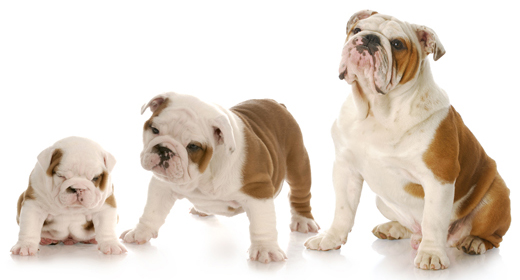
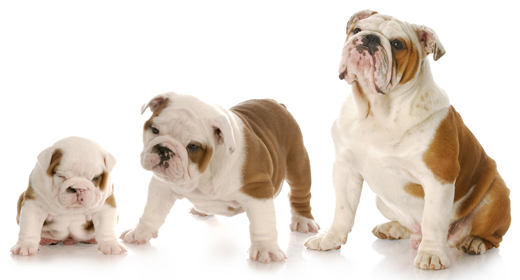
Here's what you need to know about your dog’s health as he matures from 1 to 8 years:
Your dog is growing up. Louise Murray, DVM, director of the ASPCA's Bergh Memorial Animal Hospital in New York City and author of Vet Confidential (Ballantine, 2008), gives advice on how to keep your dog in tip-top shape.
Adult Dog Health: Preventive Health. Even if your dog appears fit, see your veterinarian once a year for a checkup. 'Most health problems are more readily and less expensively addressed if you catch them early,' Murray says. What's more, your vet can detect problems that you might miss. You can also stay up to date on vaccination boosters.
Adult Dog Health: Flea, Tick, and Heartworm Medicines. Continue to use preventive medicines. Talk to your veterinarian if you've moved or if your lifestyle has changed to make sure you are using the products best suited for your dog.
Adult Dog Health: Diet. Your pet needs the right food for optimal health. Check with your vet about adjusting the type and amount of food that your dog eats.
Adult Dog Health: Dental Health. If you haven't done so already, get in the habit of cleaning your dog's teeth daily. 'Animals who get gingivitis or inflammation of the gums can end up with problems of the kidneys and the heart,' Murray explains. Get your dog accustomed to having your fingers and hands around her mouth. At the pet store, you'll find dog toothbrushes and finger brushes as well as dog toothpaste.
Adult Dog Health: Weight Gain/Loss. When your dog steps on the scale at her annual visit, weight gain (rather than loss) is more likely to be the problem. Meals usually are not the culprit. It's the things, such as biscuits and human food, she gets in between. 'It all adds up,' Murray says. As your pet gets older, she becomes less active, which can contribute to weight gain and a host of other problems (diabetes, arthritis, and breathing trouble, for instance). But there's another reason to keep an eye on the scale: Weight loss might signal an underlying health problem.