IAMS SG
Is Your Dog Panting a Lot? Understanding When It's Normal and When to Worry

adp_description_block451
Is Your Dog Panting a Lot? Understanding When It's Normal and When to Worry

  • Share

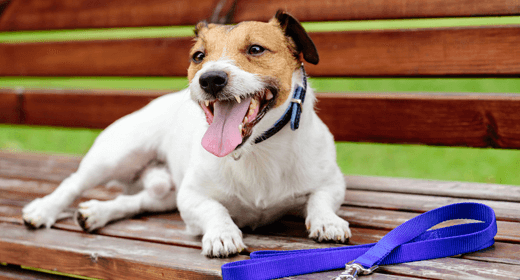
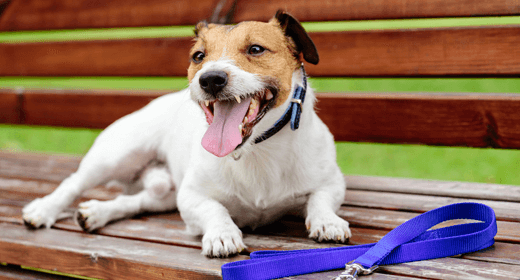
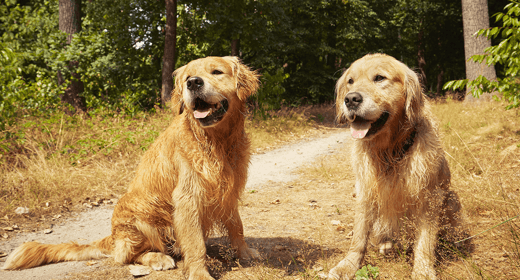
We all adore the sight of our furry friends panting, tongues lolling out in playful exhaustion after a spirited game of fetch or on a warm, sunny afternoon. But have you ever stopped to wonder about the deeper meaning behind this seemingly simple act? What does it tell us about our dog's health and well-being?
 

While we may find dog panting endearing, it serves a far more crucial purpose than just a cute quirk. Panting is an essential element of canine physiology, playing a vital role in regulating body temperature and communicating emotional states. Knowing the different types of dog panting and their underlying causes can be crucial in providing the best care for our beloved companions.
 

Understanding your dog's panting

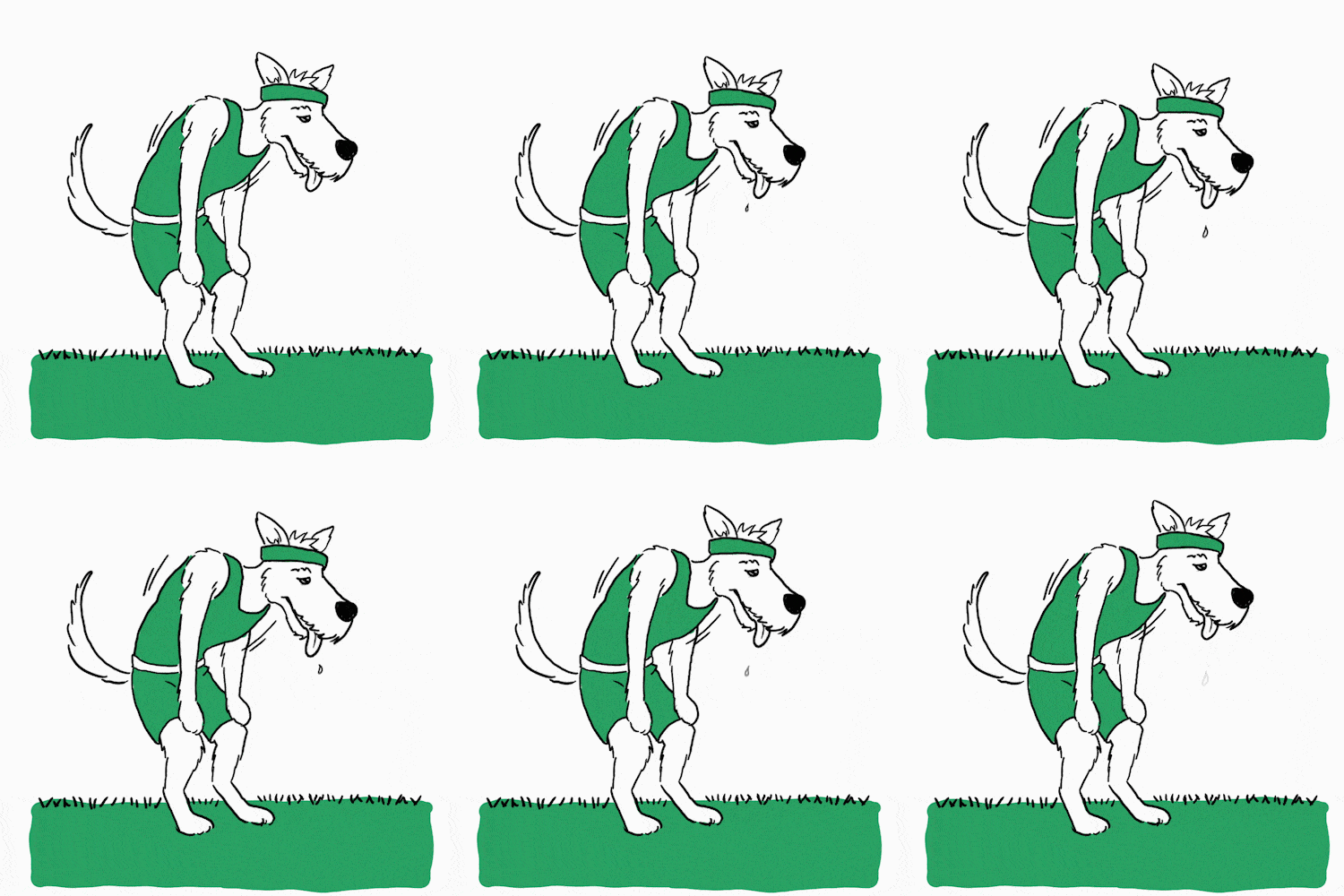
Dogs pant to regulate their body temperature, a mechanism similar to how humans sweat. While some panting is normal, excessive or unusual panting can be a sign of an underlying health issue.
 

Normal panting:

  • Frequency: At rest, a healthy dog typically takes about 15 to 35 breaths per minute.
  • Intensity: The panting should be shallow and quiet, with minimal tongue lolling.
  • Context: Panting is expected after exercise, play, excitement, or in hot weather.
  • Duration: Once the cause of the panting is addressed (e.g., they cool down or calm down), the panting should subside.

Concerning panting:

  • Excessive: If your dog is breathing fast i.e., 40 breaths per minute at rest or even when slightly active, it's a red flag.
  • Heavy: When the dog is breathing heavy, the panting is deep and laboured, with pronounced tongue lolling and drooling.
  • Unusual: Panting occurs in situations where it doesn't usually happen, such as when your dog is relaxed in a cool environment.
  • Persistent: The panting doesn't subside despite addressing the possible causes, or it's accompanied by other symptoms like lethargy, vomiting, or loss of appetite.

Causes of dog panting

Understanding why your dog pants is crucial for their health and well-being. While we've previously discussed how panting is their primary cooling mechanism, there's more to the story than just regulating body temperature.
 

Physical reasons for panting

  • Heat regulation: As mentioned, panting helps dogs cool down after exercise, play, or during hot weather. By evaporating moisture from their tongue and respiratory tract, they bring their internal temperature back to a comfortable level.
  • Pain or discomfort: Excessive panting can be a sign of pain or discomfort due to an injury, illness, or other medical condition. Pain elevates heart rate and body temperature, triggering the panting reflex.
  • Respiratory issues: Allergies, asthma, kennel cough, and other respiratory conditions can make it difficult for your dog to breathe, leading to increased panting as they strive for more oxygen.

Emotional reasons for panting:

  • Excitement: When your dog is excited, their heart rate and breathing increase naturally. This manifests as panting, especially during playtime, greetings, or anticipation of a favourite activity.
  • Stress or anxiety: Dogs experience stress and anxiety in various situations, leading to panting as a coping mechanism. Be aware of other behavioural changes like pacing, drooling, or tail tucking.
  • Fear or phobias: Loud noises, thunderstorms, and unfamiliar environments can trigger fear or phobias, leading to excessive panting, trembling, and attempts to hide.

What should you do when your dog is breathing heavy?

Seeing your beloved furry friend struggling to breathe can be a harrowing experience. But before jumping to conclusions, it's important to stay calm and assess the situation. Here's what you can do when your dog is panting heavily:
 

Analyse the environment:

  • Recent activities: Have they been engaging in strenuous activity like playing fetch, running, or intense exercise?
  • Temperature and climate: Is it a hot day? Are they exposed to direct sunlight?
  • Stressful environment: Are there loud noises, unfamiliar people, or other factors that might be causing anxiety?

If any of these factors are present, the panting is likely a normal physiological response to regulate their body temperature or manage stress. In this case, simply provide your dog with a cool, quiet space, offer fresh water, and allow them to rest.
 

Observe your dog's behaviour:

  • Intensity: Is the panting shallow and quiet, or is it deep and laboured?
  • Frequency: How many breaths are they taking per minute?
  • Tongue lolling: Are they lolling their tongue excessively and drooling?
  • Additional symptoms: Are there any other concerning signs like lethargy, vomiting, or loss of appetite?

Pay close attention to any deviations from their normal breathing patterns. Excessive panting in dogs, especially at rest or in a cool environment, may indicate an underlying medical condition and warrants further investigation.
 

Provide comfort and hydration:

  • Cool down: Move your dog to a cooler area with shade and good air circulation.
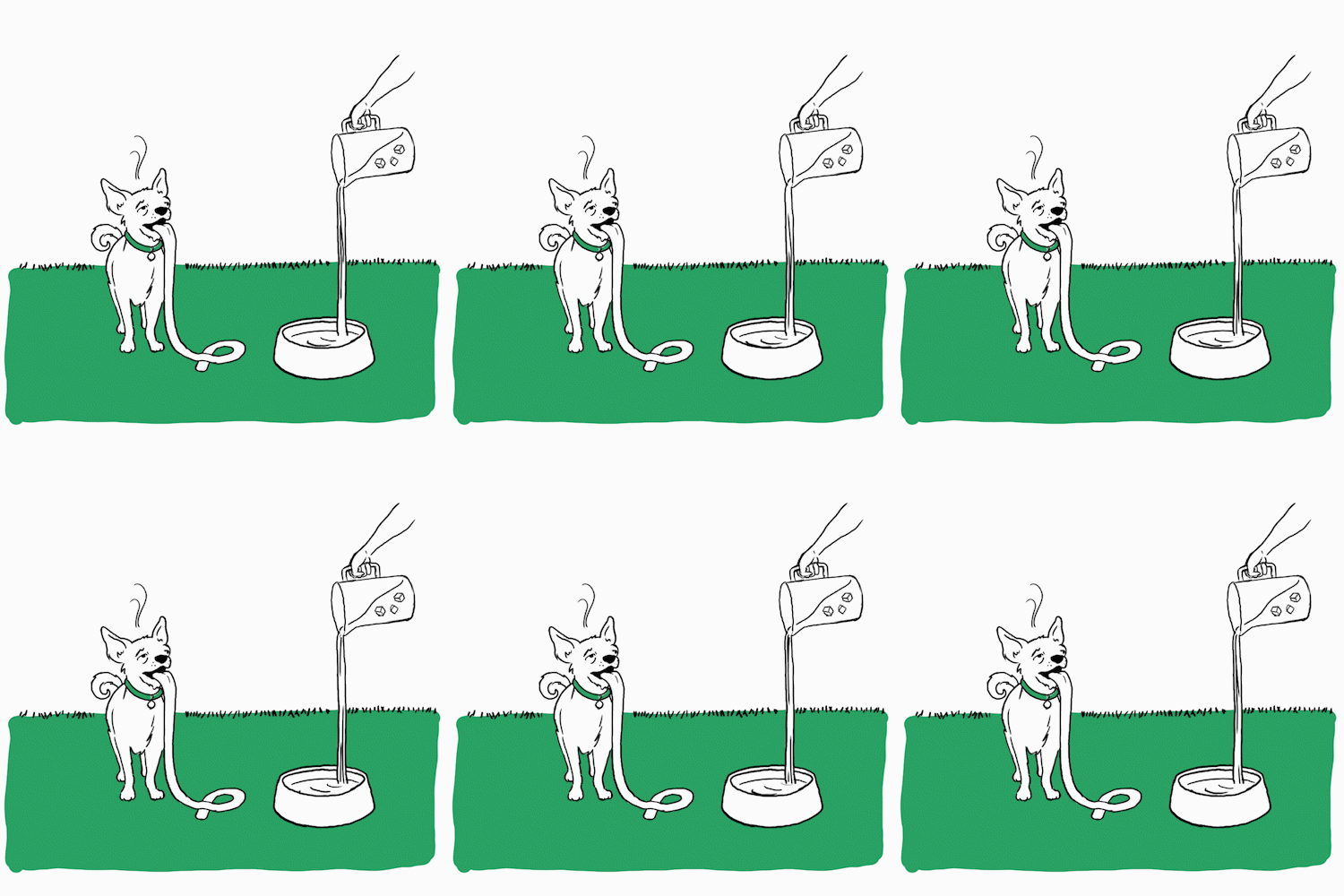
  • Fresh water: Ensure they have access to clean, fresh water at all times.
  • Calm environment: Create a quiet and comfortable space where they can relax without distractions.

These initial steps can help alleviate panting caused by heat or stress.
 

When to see a vet for your dog's panting?

While dogs naturally pant for various reasons, like regulating their body temperature or expressing excitement, excessive or unusual panting can be a sign of an underlying health issue. Knowing when to seek veterinary attention is crucial to ensure your furry friend's well-being.
 

Here's when you should be concerned about your dog's panting:

  • Accompanying symptoms: If your dog's panting is accompanied by other concerning symptoms like lethargy, loss of appetite, vomiting, diarrhoea, coughing, pale gums, excessive drooling, weakness, or unusual behaviour, prompt veterinary attention is essential.
  • Excessive panting: If your dog's panting is deep, laboured, and accompanied by exaggerated tongue lolling, it could indicate a serious medical condition. Don't delay seeking professional help.
  • Continuous panting: Panting that persists even when your dog is at rest, in a cool environment, or after addressing the initial cause (e.g., exercise, heat) requires veterinary evaluation.
  • Unrelenting panting: If the panting doesn't subside within a reasonable timeframe or even worsens despite your efforts to provide comfort and address environmental factors, it's crucial to seek professional advice.

Panting is a natural and essential part of a dog's physiology, but it's crucial to differentiate between normal panting and signs of distress. By understanding the reasons behind your dog's panting and knowing when to seek help, you can ensure they live a happy, healthy life.

Frequently asked questions

  1. Why do dogs pant?
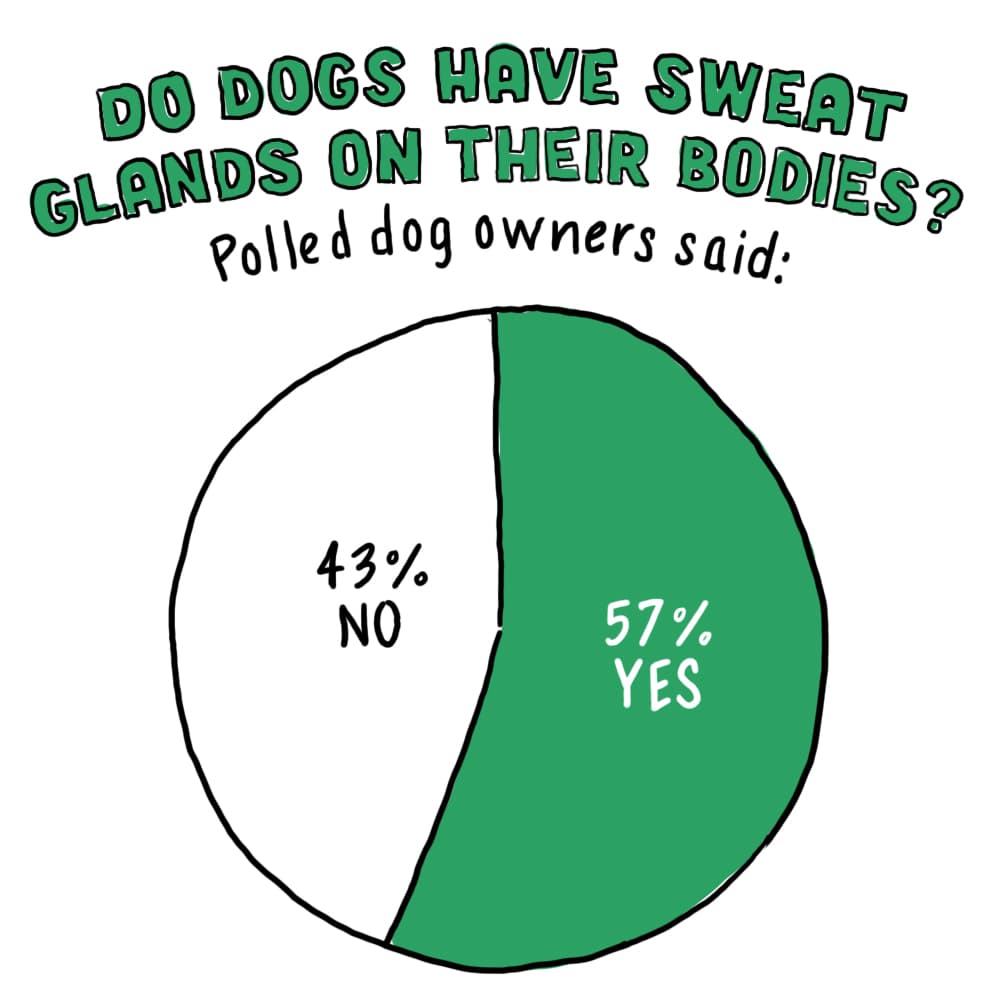
  2. Dogs pant primarily to regulate their body temperature. Since they can't sweat through their skin like humans, they release heat by panting, which involves rapid breathing that helps to cool their body.

  3. Why is my dog breathing fast while resting?
  4. If your dog is breathing fast while resting, it could be a sign of distress or an underlying health issue. Normal panting is usually seen after exercise or in hot weather, but fast breathing at rest might indicate a problem and should be checked by a vet.

  5. When should I worry about dog panting?
  6. Concern arises when panting is excessive, continuous, or happens during rest. Look for accompanying signs like lethargy, reluctance to move or eat, and changes in gum colour. In such cases, it's best to consult a veterinarian.
Why Do Dogs Pant?
Why Do Dogs Pant?
Why Do Dogs Pant?
  • cat-articcat article detail bannerle-detail-banner
    AAFCO Statements Explained

    adp_description_block12
    AAFCO Statements Explained

    • Share

    What is AAFCO?

    The Association of American Feed Control Officials (AAFCO) was formed in 1909 to establish a framework for uniform regulation of the feed industry. Although not a government agency, AAFCO operates within the guidelines of federal and state legislation including laws administered by the Food and Drug Administration (FDA) and the U.S. Department of Agriculture (USDA).


    What Does AAFCO Do?

    AAFCO establishes standards or models for regulations aimed at ensuring that manufacturers provide clear, accurate, and consistent information about animal feed, including pet food.
     

    Every year AAFCO issues an official publication called the AAFCO Manual. This manual, in addition to listing ingredient definitions and feed terms, addresses labeling issues such as label format, ingredient lists, nutrition claims, and guaranteed analysis.
     

    These model regulations are different than laws. However a large number of state governments have adopted AAFCO pet food model regulations into state law.


    What Is an AAFCO Statement?

    The “AAFCO statement of nutritional adequacy or purpose,” also called a “nutrition claim” or “complete and balanced statement,” identifies which life stage and/or lifestyle the product has been approved for. Under AAFCO regulations, this statement must be substantiated by the manufacturer.


    AAFCO recognizes three methods for substantiating the claim:

    • Laboratory analysis
      • The finished product is compared to minimum nutritional values established by AAFCO Nutrient Profiles for dogs or cats.
      • Label states: 'ABC Dog (Cat) Food is formulated to meet the nutritional levels established by the AAFCO Dog (Cat) Food Nutrient Profiles for (appropriate life stage).”
    • Feeding trials
      • The finished product that has been laboratory tested is fed to dogs or cats according to AAFCO protocols.
      • Label states: 'Animal feeding tests using AAFCO procedures substantiate that ABC Dog (Cat) Food provides complete and balanced nutrition for (appropriate life stage).'
    • Analysis comparable in nutritional adequacy
      • The laboratory analysis of the finished product is compared with nutritional values from a similar product fed to dogs and cats according to AAFCO protocols.
      • Label states: 'ABC Dog (Cat) Food provides complete and balanced nutrition for (appropriate life stage) and is comparable in nutritional adequacy to a product which has been substantiated using AAFCO feeding tests.'


    What Are AAFCO Feeding Protocols?

    AAFCO has outlined very specific protocols, or guidelines, for conducting feeding tests. The protocols specify test criteria including such things as:

    • Minimum number of animals
    • Duration of test
    • Physical examinations by a veterinarian
    • Clinical observations and measurements including body weights, blood tests, and blood taurine testing for cats


    Each life stage has its own protocol. Life stages are the same for both dogs and cats and are defined as:

    • Adult Maintenance
    • Growth
    • Gestation/Lactation
    • All Life Stages


    What Does 'All Life Stages' Mean?

    A pet food with an 'All Life Stages' claim can be used from weaning through adulthood. This claim is considered an unqualified (absolute) representation of nutritional adequacy. If substantiated through feeding trials, the protocol for gestation/lactation and growth must be performed sequentially, using the same group of animals.


    What Does 'Intermittent Feeding' Mean?

    AAFCO regulations state that specific wording must be used when a diet is intended for special nutritional or dietary needs that require the involvement of a veterinarian for diagnosis, management, and follow-up.


    Conclusion

    Understanding the AAFCO statements for nutritional adequacy can help customers choose a high-quality diet that provides complete and balanced nutrition for the appropriate life stage of their dog or cat.


Close modal