Enter a keyword below to search for articles and products.
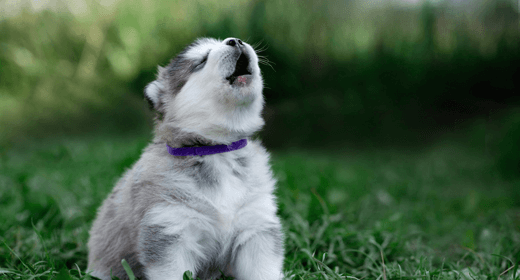
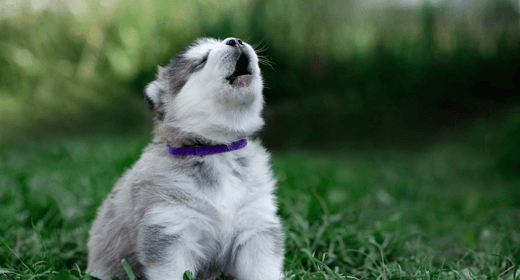
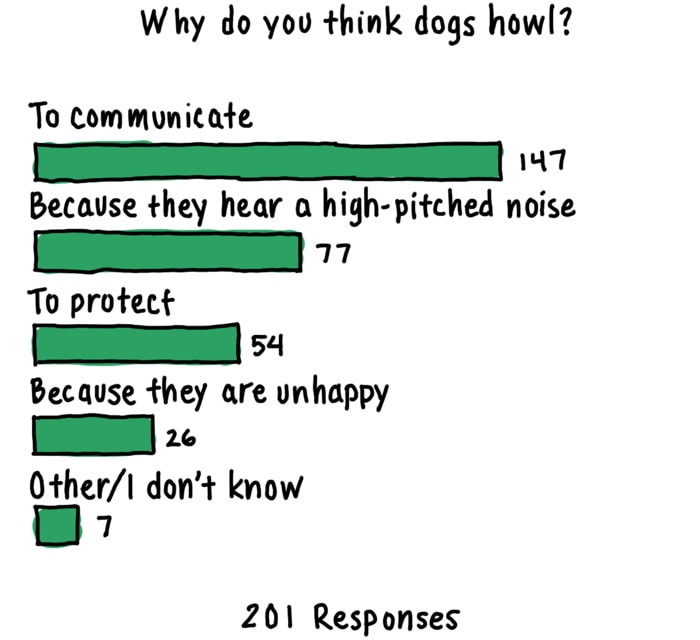
Every pet parent wants to know the meaning of dog howling. Now, we all know what howling sounds like - it’s a high-pitched sound that sounds like a doleful cry. However, many of us are still quite unaware of why do dogs howl. Well, here’s a fun fact: howling for dogs is genetic inheritance. It’s no news that dogs are closely related to wolves. Despite the difference in their sizes, wolves and dogs share around 99% DNA. However, heredity is not the only reason why dogs howl. So, what does it mean when a dog howls, and how can you handle your howling dog? You will find answers to such questions in this article.
To handle a howling dog, you first need to understand the reason why your pet is making this long, wailing noise. Here’s a look at some probable causes of dog howling.
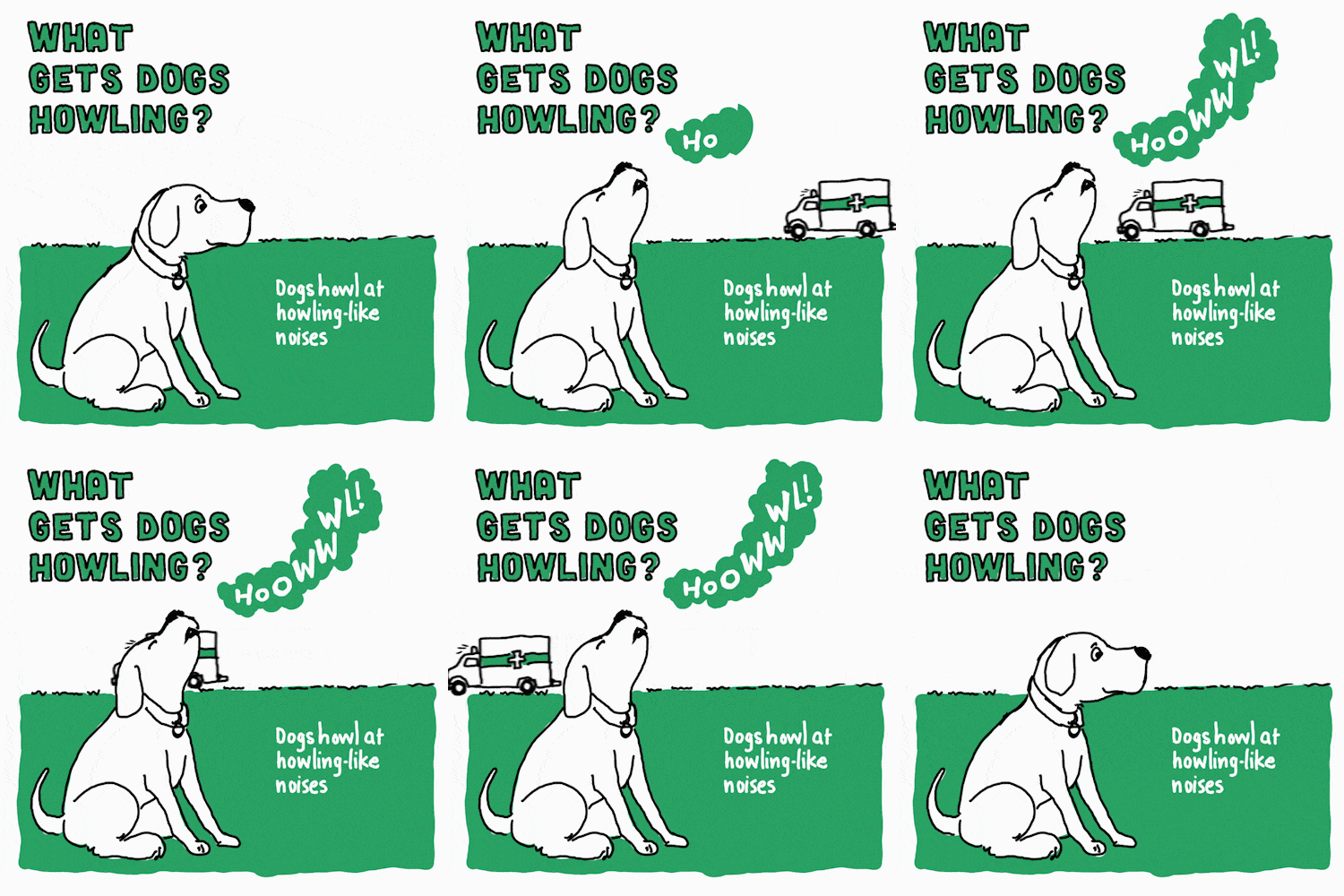
Dogs feel stimulated by high-pitched sounds. Howling is their way of responding to fireworks, sirens, bells, and other noises. This type of howling starts as soon as they hear the shrill sound. As a pet owner, you don’t have to worry about this type of howling since it usually stops when the trigger sound does.
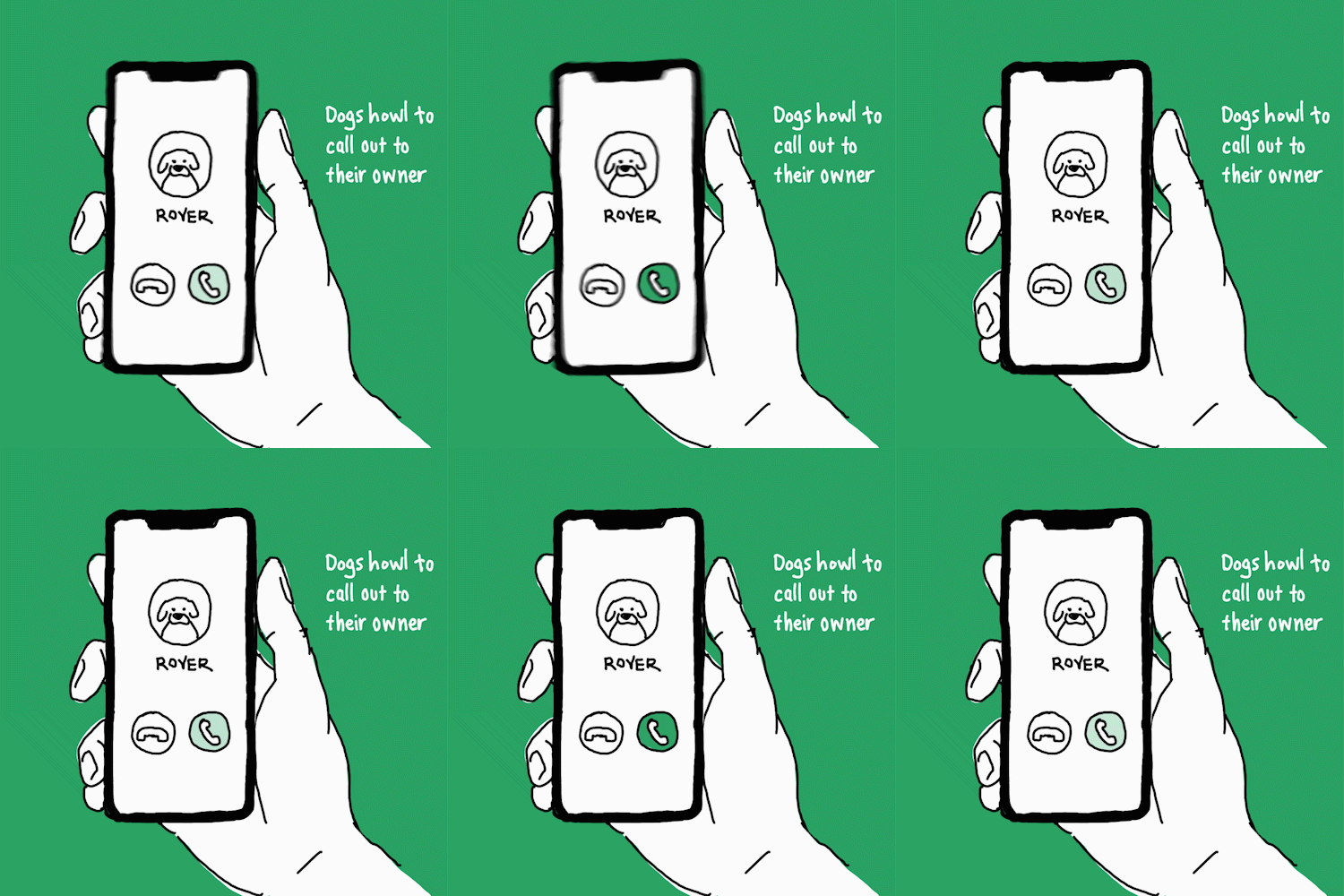
If a dog is excessively attached to you, they might experience separation anxiety. So, once your little companion learns that you won’t be around for a few days, they might start howling under stress and anxiety. If your dog howls every time you need to leave for a long period, it is a sign of hyper-attachment. You might have to treat their anxiety to manage this type of howling. And no, scolding them is not the right way of doing it.
A howling dog could also be seeking attention. And this type of dog howling can be bothersome. You might feel like scolding, questioning, or holding your furball, but you must do the exact opposite of it. Avoid giving your pet any type of attention. Don’t pamper or scold them.
Dogs can sense bad weather, earthquakes, diseases, and so much more. Hence, you cannot rule out the fact that a howling dog could also be trying to alert you of something. Maybe they feel a situation is not right for you or could cause you potential harm. Dogs can sense the intentions of a person through their facial expressions. That’s exactly why dogs howl at some people who try to get near you or your house.
Dogs are still very social animals; it’s just that now we are their pack. When they miss us, they will howl in hopes we respond. Dr. James Serpell, BSc, Ph.D., Professor of Humane Ethics & Animal Welfare at the University of Pennsylvania School of Veterinary Medicine, explains it this way: That [howling] is an attempt on the part of the dog to ask the owner, ‘Where are you so that I can rejoin you?’
Dr. James Serpell doesn’t believe so. “My own research has shown that it is common across breeds. People think huskies may be more prone to group howling.”
Dogs going through separation anxiety may howl excessively when left home alone. Dr. Jo Gale, BVetMed CertLAS MRCVS, Senior Manager for Global Science Advocacy at Waltham Petcare Science Institute, says, “If you reinforce quiet behavior, they are less likely to continue howling.” You can do this by quieting your dog and then leaving for a very brief time before returning and rewarding them when they stay quiet. Gradually increase the time you’re gone to reassure them you’ll always be back.
But what if your pawsome pet is howling due to other reasons? Let’s understand how to handle such situations:
Note: Training your fur baby is a time-consuming process. Hence, stay consistent with the actions recommended above and your pet will learn to control their howling triggers
To understand what a howling dog means to communicate, you need to first read the situation. When dogs howl, it could mean anything–a response to high-pitched sounds, an attempt to attract attention, a suspicion towards someone, etc.
Yes. Since dogs are genetically programmed to howl, it is okay to leave them alone when they do that. However, if it bothers your neighbours, you might want to learn to handle your fur baby or get professional help.
While howling sounds like a long cry, it doesn’t always mean that they are sad.
To stop your dog’s howling, you can reward their calm and quiet behaviour. If they are howling for attention, avoid reacting to it. If you need more help, you may want to reach out to a dog trainer.
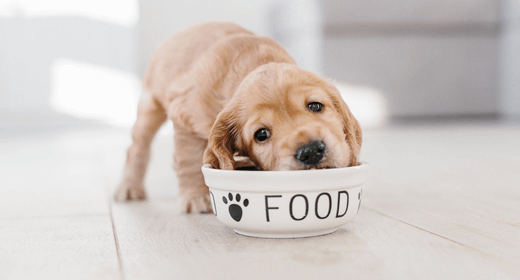
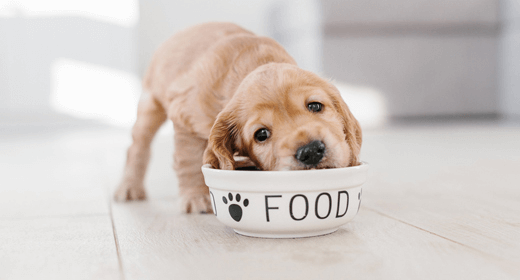
Even if a pet food is formulated to provide all of the essential nutrients required by a dog, it is of little value if the animal will not eat it. Quality pet foods are carefully formulated not only to be highly nutritious but also to be highly palatable.
Highly palatable dog food recipes contain various ingredients and raw materials, including palatants. Palatants help improve the smell, flavor, and texture of your dog’s food. Examples of palatants include fat, salt, proteins, yeasts, and other flavors that are added to make food taste better. Dry foods usually need extra palatants to make them more pleasant and appealing.
Palatability is a term used to describe how well a dog likes the taste, smell, and texture of a food. A premium dog-food manufacturer spends a considerable amount of time conducting controlled feeding studies to determine the right combination of ingredients and processing techniques to produce a nutritious, palatable food.
There are two ways to test and measure the palatability of a dog food:
First Bite: The first palatability test is called the “first bite” preference. This measures the dog's first impression of a food's aroma and appearance.
Total Volume: Because the novelty of a new diet can cause highs and lows in first-bite tests, a second test is conducted called “total volume” measurement. Total volume determines the staying power or ability of a diet to maintain the animal's interest over time. This is the dog’s overall choice of a food based on taste, texture, and nutrition for the entire test period.
Dogs can become picky eaters for a variety of reasons. Some of the reasons why dogs can become picky eaters include:
In comparison to humans, dogs have significantly more smell sensors than taste receptors. This implies that foods with stronger aromas tend to appeal to dogs more. While scent is crucial, less odorous meals like dry kibble can also improve your dog’s food palatability. A dog’s taste buds are hard-wired to sense the presence of fats as well as salt (but not necessarily salt flavor). Fat is frequently added to kibble to improve flavor and palatability without making the food stinky.
While taste and scent are some of the primary ways a dog decides if something is pleasant, palatability can also be influenced by a wide range of factors, such as the dog’s unique preferences and even the owner’s preference for meals and feeding times.
To make a dog eat food, you need to:
Everybody in the household needs to accept and follow the pet’s feeding plan from the beginning. You should be consistent and rigorously adhere to your dog's diet. If you decide to give your dog leftovers, choose to combine nutritious foods with kibble.
Offering your dog table scraps often promotes begging and throws off your pet’s diet. It can also lead to several health issues, including diarrhea and pancreatitis. Although human food is far more palatable, it is less healthy than canned or dry dog food.
Puppies need to be fed two to three times a day, or as your vet may prescribe. As they get older, you can gradually increase the serving size while offering meals just once or twice a week. Additionally, you must add some variety and deliver equal servings.

In order to obtain and interpret accurate results, palatability studies must be performed by experienced animal technicians and the data analyzed by research nutritionists. Feeding studies are conducted by offering an animal two bowls of food at the same time. Each bowl contains a different diet that has been carefully weighed and recorded.
The technician observes which food the dog chooses to eat first, and then records that as the first-bite preference. After a specific time period, bowls are removed, and any remaining food is weighed and recorded. Diets also are switched from left to right each day of the study to ensure that dogs are not eating one diet simply out of habit.
The total-volume measurement is determined by calculating the difference between the beginning and ending weights of each food. This procedure is repeated using the same two diets with the same group of dogs for five days. At the end of the five-day study, all observations and data are compiled and analyzed to determine the overall palatability of each diet.
Here is a quick look at some flavors that can appeal to your pet.
Meaty Flavor
Animal Fats
Gravy or Stews
Dogs are attracted by not only the taste of a food, but also to its sight, aroma, and texture. Dogs are particularly interested in the smell of food.
If you are wondering how to increase palatability of dog food, here are a few tips that might help.
Whether your pooch prefers dry or wet dog food, remember that the choice of protein is extremely essential. The most palatable dog foods are ones that are available in different meaty flavors such as lamb, beef, and chicken.
By adding fats, salts, and other additives, dry dog foods are made more palatable. Additionally, fats contribute a softer taste to the food which dogs tend to enjoy. In fact, canines find fats to be tasty and will actively seek this flavor in their meals. While the aim is to serve highly palatable dog food to your pet, do be sure to check the right amount of fat content with the veterinarian./p>
Another strategy for improving the taste of food is to add food additives. These can be actual meats that the dog owner adds to the dish such as boiled turkey or any flavored store-bought gravies.
Since many supplements aim to increase the nutritional value of food, they may include ingredients that are disliked by dogs. Try introducing liquid or soft treats to make dog food more palatable. There are also certain supplements which are tasty by nature. These can be used to enhance the flavor of dog food while maintaining nutritional value.
Liquid digest is simply protein that is enzymatically broken down into amino acids, which are the building blocks of protein. The enzymatic process reduces large protein pieces to smaller protein pieces and free amino acids. By adding small amounts of acid, the enzymatic or digestive reaction is stopped, and a stable liquid ingredient is produced. After a dry-food formula is cooked, formed into kibbles, and dried, the liquid digest is sprayed evenly on the outside of the dry kibbles. This is called “enrobing.” Not only does the liquid digest make the food highly palatable, but it also adds to the overall digestibility of the food.
Yes. We use liquid digest made from chicken to enhance the palatability of dry foods and to contribute to the nutritional value of the diet. Some pet foods include flavor enhancers, such as onion powder, which simply mask the aroma and taste of the ingredients and provide no nutritional benefits to the animal.