Enter a keyword below to search for articles and products.


Every pet parent wants to know the meaning of dog howling. Now, we all know what howling sounds like - it’s a high-pitched sound that sounds like a doleful cry. However, many of us are still quite unaware of why do dogs howl. Well, here’s a fun fact: howling for dogs is genetic inheritance. It’s no news that dogs are closely related to wolves. Despite the difference in their sizes, wolves and dogs share around 99% DNA. However, heredity is not the only reason why dogs howl. So, what does it mean when a dog howls, and how can you handle your howling dog? You will find answers to such questions in this article.
To handle a howling dog, you first need to understand the reason why your pet is making this long, wailing noise. Here’s a look at some probable causes of dog howling.
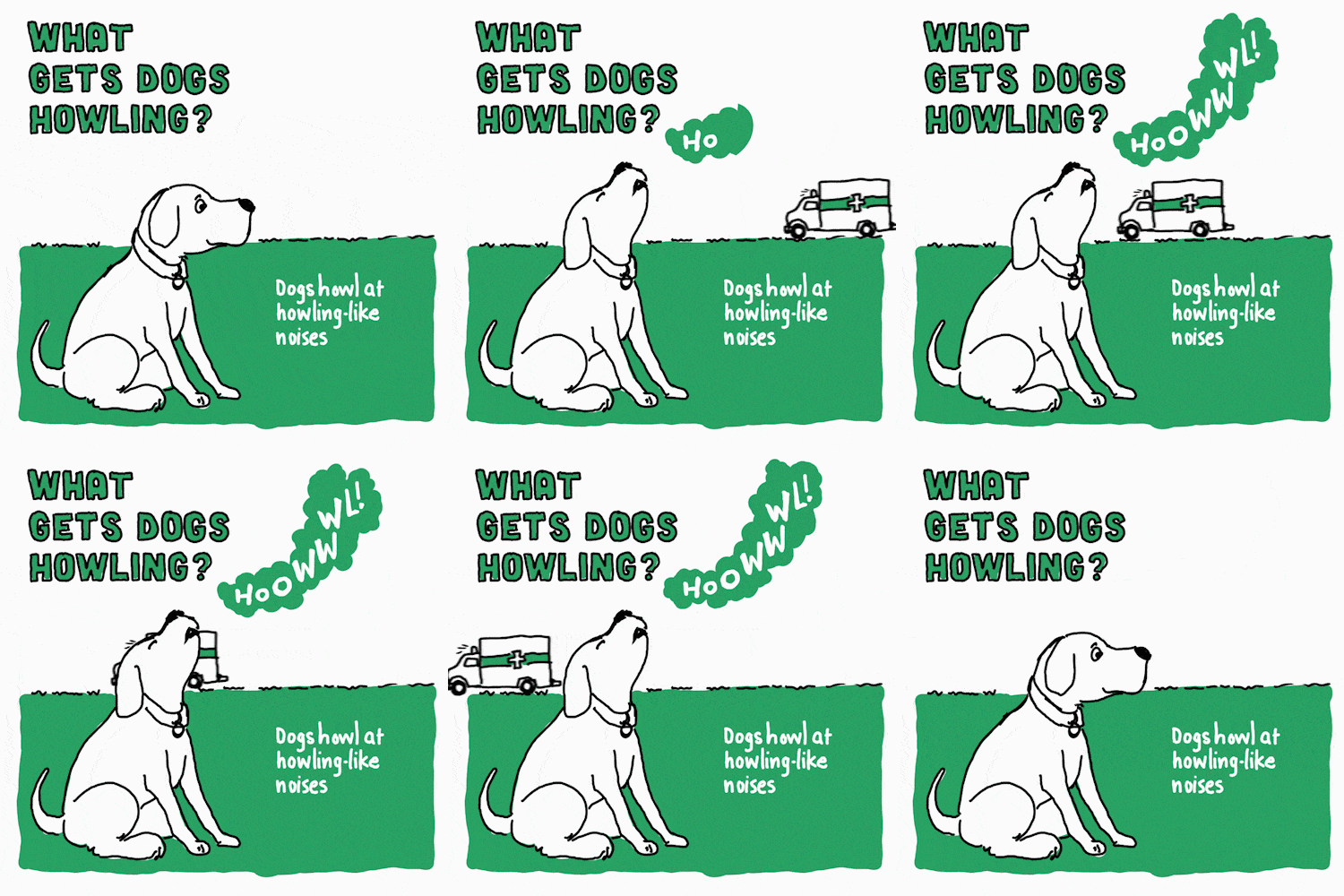
Dogs feel stimulated by high-pitched sounds. Howling is their way of responding to fireworks, sirens, bells, and other noises. This type of howling starts as soon as they hear the shrill sound. As a pet owner, you don’t have to worry about this type of howling since it usually stops when the trigger sound does.
If a dog is excessively attached to you, they might experience separation anxiety. So, once your little companion learns that you won’t be around for a few days, they might start howling under stress and anxiety. If your dog howls every time you need to leave for a long period, it is a sign of hyper-attachment. You might have to treat their anxiety to manage this type of howling. And no, scolding them is not the right way of doing it.
A howling dog could also be seeking attention. And this type of dog howling can be bothersome. You might feel like scolding, questioning, or holding your furball, but you must do the exact opposite of it. Avoid giving your pet any type of attention. Don’t pamper or scold them.
Dogs can sense bad weather, earthquakes, diseases, and so much more. Hence, you cannot rule out the fact that a howling dog could also be trying to alert you of something. Maybe they feel a situation is not right for you or could cause you potential harm. Dogs can sense the intentions of a person through their facial expressions. That’s exactly why dogs howl at some people who try to get near you or your house.
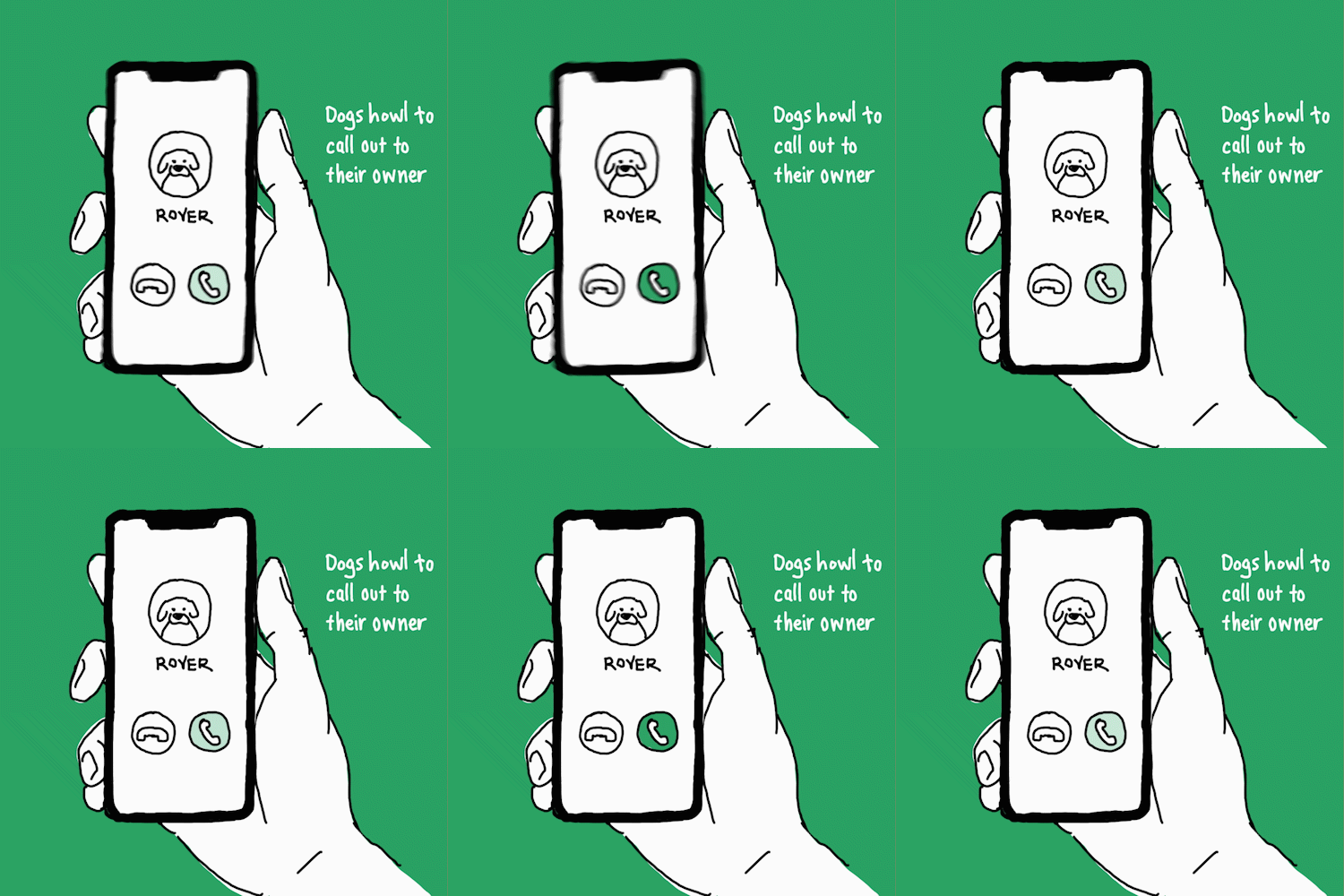
Dogs are still very social animals; it’s just that now we are their pack. When they miss us, they will howl in hopes we respond. Dr. James Serpell, BSc, Ph.D., Professor of Humane Ethics & Animal Welfare at the University of Pennsylvania School of Veterinary Medicine, explains it this way: That [howling] is an attempt on the part of the dog to ask the owner, ‘Where are you so that I can rejoin you?’
Dr. James Serpell doesn’t believe so. “My own research has shown that it is common across breeds. People think huskies may be more prone to group howling.”
Dogs going through separation anxiety may howl excessively when left home alone. Dr. Jo Gale, BVetMed CertLAS MRCVS, Senior Manager for Global Science Advocacy at Waltham Petcare Science Institute, says, “If you reinforce quiet behavior, they are less likely to continue howling.” You can do this by quieting your dog and then leaving for a very brief time before returning and rewarding them when they stay quiet. Gradually increase the time you’re gone to reassure them you’ll always be back.
But what if your pawsome pet is howling due to other reasons? Let’s understand how to handle such situations:
Note: Training your fur baby is a time-consuming process. Hence, stay consistent with the actions recommended above and your pet will learn to control their howling triggers
To understand what a howling dog means to communicate, you need to first read the situation. When dogs howl, it could mean anything–a response to high-pitched sounds, an attempt to attract attention, a suspicion towards someone, etc.
Yes. Since dogs are genetically programmed to howl, it is okay to leave them alone when they do that. However, if it bothers your neighbours, you might want to learn to handle your fur baby or get professional help.
While howling sounds like a long cry, it doesn’t always mean that they are sad.
To stop your dog’s howling, you can reward their calm and quiet behaviour. If they are howling for attention, avoid reacting to it. If you need more help, you may want to reach out to a dog trainer.


Dogs use a range of sounds to communicate with us and each other. Just as important is the body language they use to tell us how they feel or what they need. How well do you know your pooch’s unspoken cues? Read on to find out.
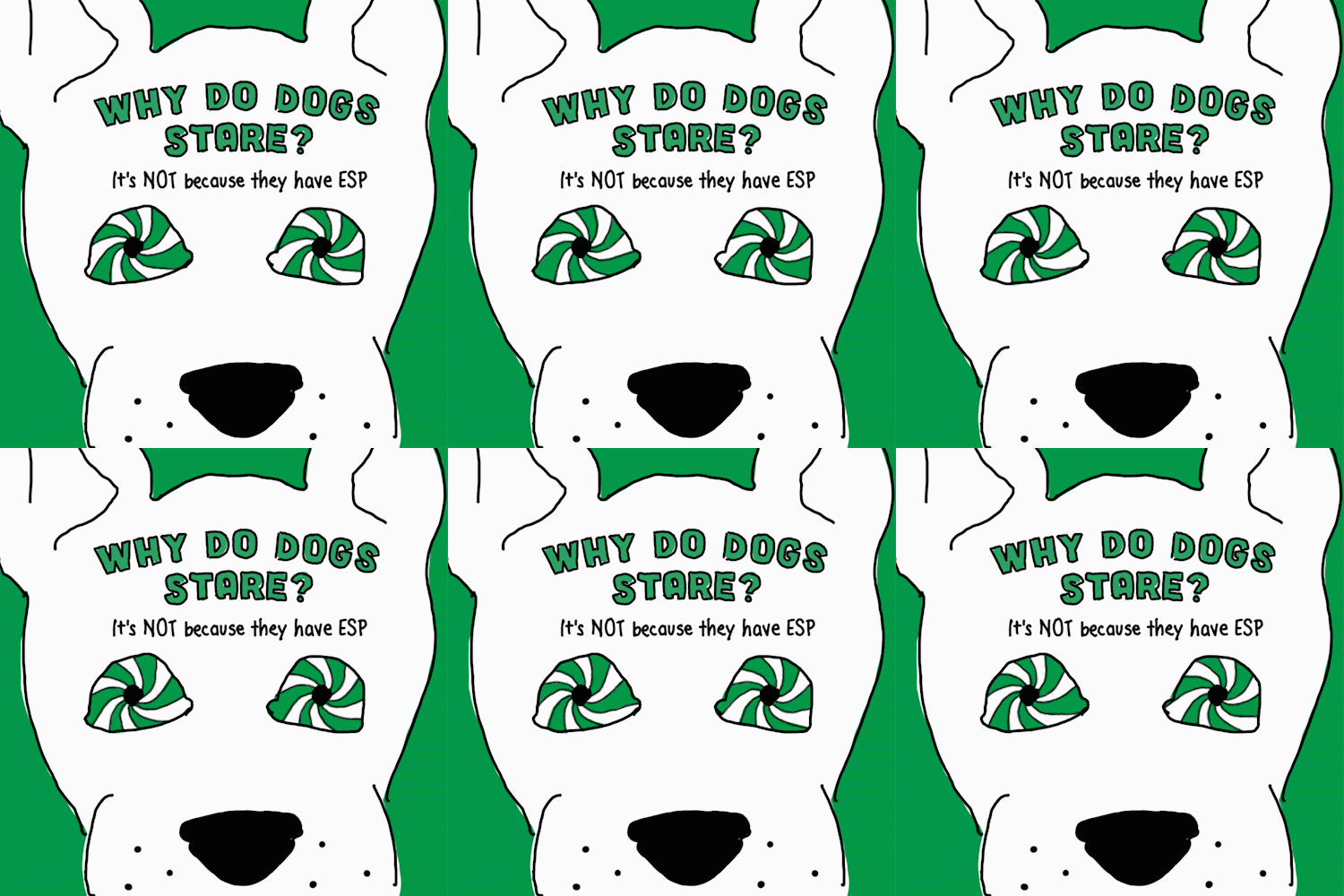
Dogs often stare at their owners because they love them. They want to make sure you’re okay or find clues for what you’ll do next — like making sure you’re not going for a car ride without them.
We love it when dogs do this, too, which has led to this trait being even more prominent.
Opens a new windowDr. James Serpell, BSc, PhD, Professor of Humane Ethics & Animal Welfare at University of Pennsylvania School of Veterinary Medicine, explains: “We've selected dogs for this behavior. Humans love that dogs look up at them in admiration, intense loyalty. One frequent observation researchers have made is that people who handle wild dogs ... they don't look their handlers in the eye like domesticated dogs do.”
Dogs have great hearing. High-frequency sounds that humans can’t hear are especially interesting to them. Head-tilting helps them track down the source. Owners find these head tilts super cute and often reward this behavior, which, of course, makes them do it more.
Dogs yawn when they’re tired, but it’s also a possible sign they’re stressed, impatient or frustrated — like when they’re in the vet’s office, or when you won’t throw that ball you’re holding already!
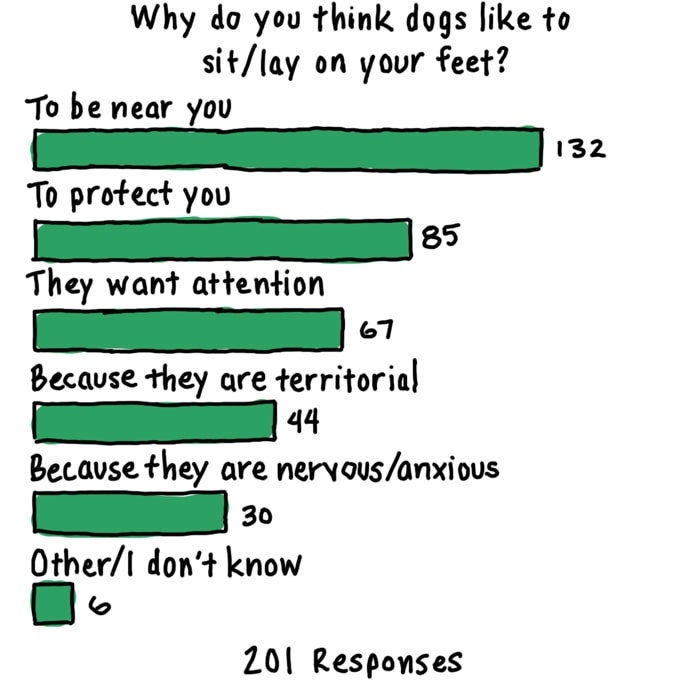
In a recent IAMS poll,* 90% of dog owners said their pet sits or lays on their feet and 100% of dogs said they love their owners. Dogs are very social creatures and this is a way for them to connect and be close to you. Plus, it keeps your feet warm.
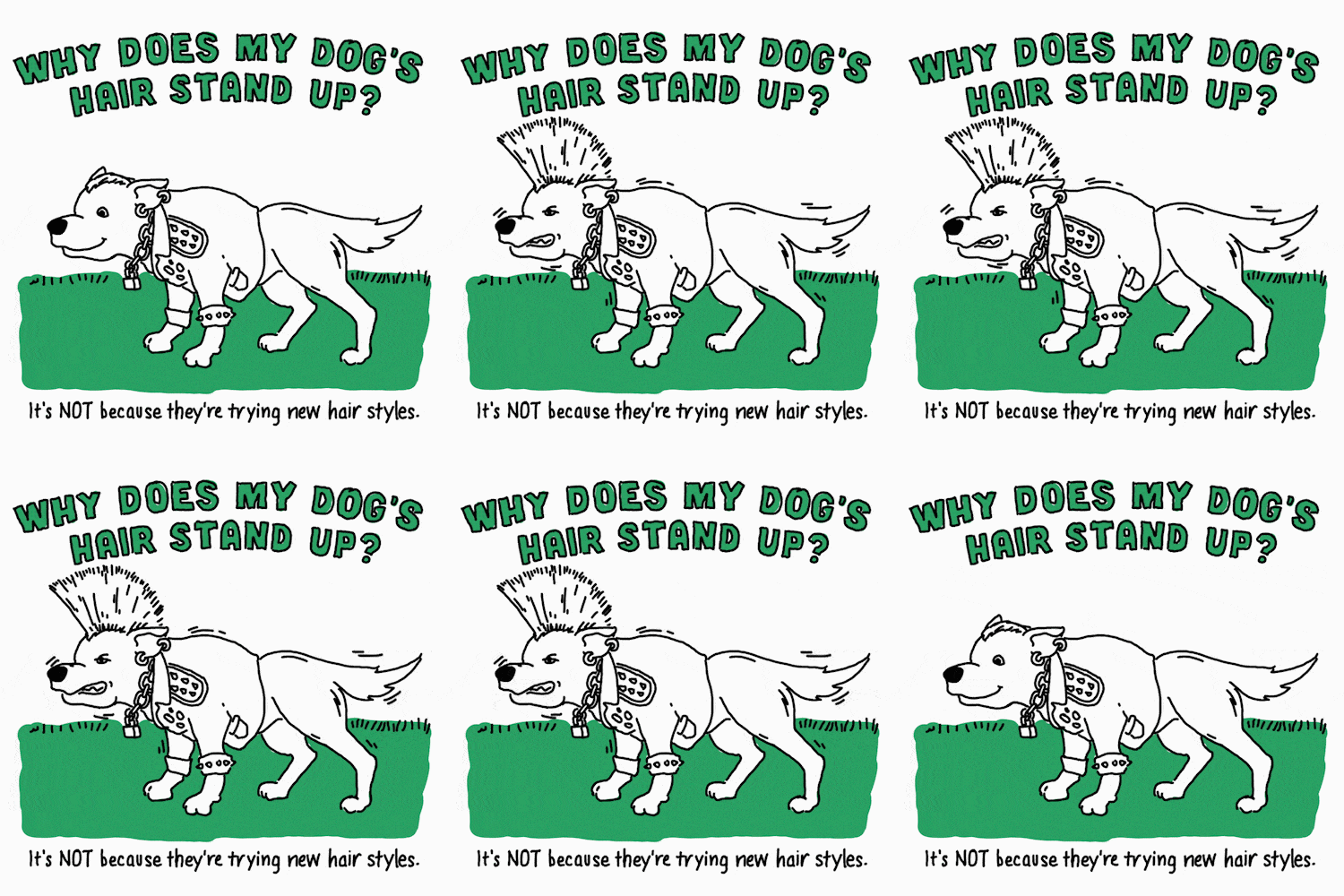
Often called “raised hackles,” dogs do this when they’re nervous, threatened or showing aggression. It’s an adaptation from their wild days of attempting to make themselves look bigger.
Opens a new window Dr. Tammie King, Applied Behavior Technical Leader at Waltham Petcare Science Institute, offered this insight to keep in mind: “What’s important when talking about a dog’s body language is to not take one thing in isolation. You’re at risk of misinterpreting what the dog is trying to say to you. Context is everything.”
So be sure to pay attention to what your dog isn’t saying to keep them healthy and happy. Serving them
Opens a new windowIAMS dog food every day will certainly help.
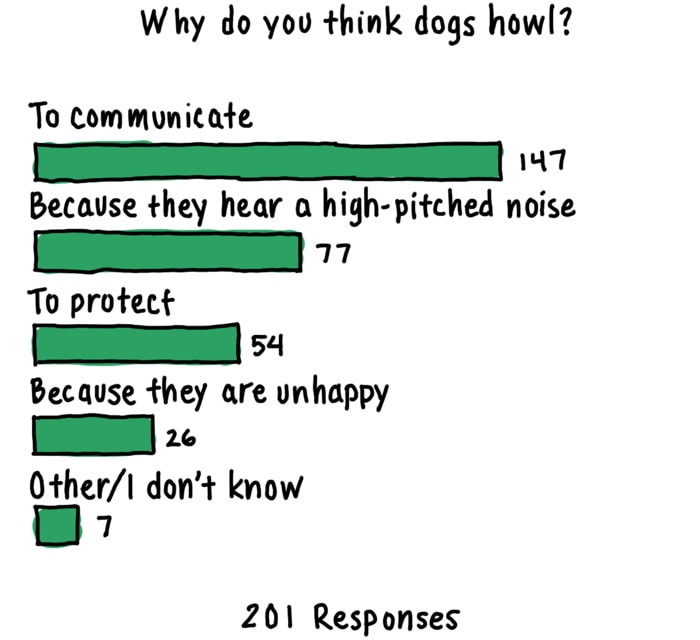
*Surveyed U.S. dog owners, age 18+
Sample Size: n=201
Fielded May 8 to May 10, 2020