Like any companion or roommate, dogs — for all their love and cuteness—have habits we just don’t understand. One question dog owners often ask their pets: “Why? Why would you eat poop?”
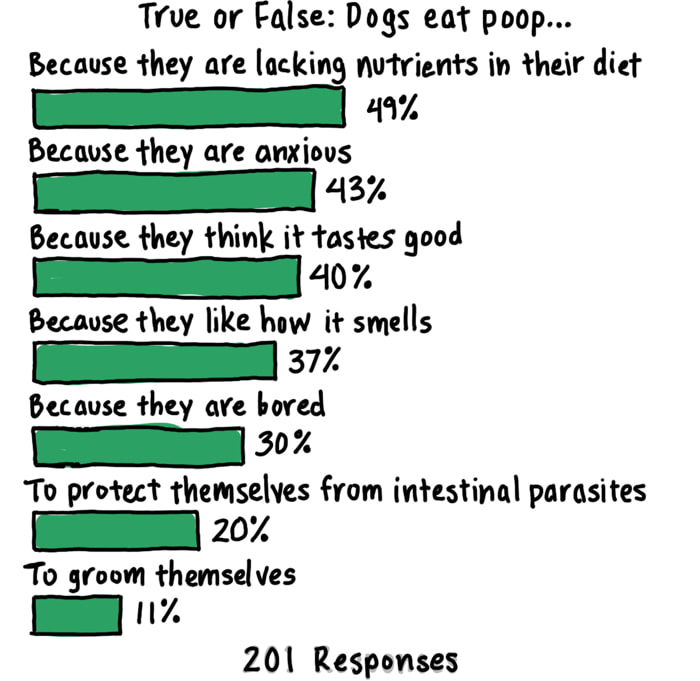
When we polled* dog owners recently, most thought it was because a dog is lacking nutrients (49%), they’re anxious (43%) or they just think it tastes good (40%).
Dogs are significantly more likely to eat the droppings of another species (e.g., horses, rabbits) than their own.
We held our noses and got to the bottom of the issue with the help of some experts.
While those in our poll thought this was the number-one reason for the behavior, it has actually never been proven. “It’s a myth dogs eat poop because they’re seeking nutrients they aren’t getting. There’s no evidence to back this,” says
Opens a new windowDr. Jo Gale, BVetMed CertLAS MRCVS, Senior Manager, Global Science Advocacy at Waltham Petcare Science Institute.
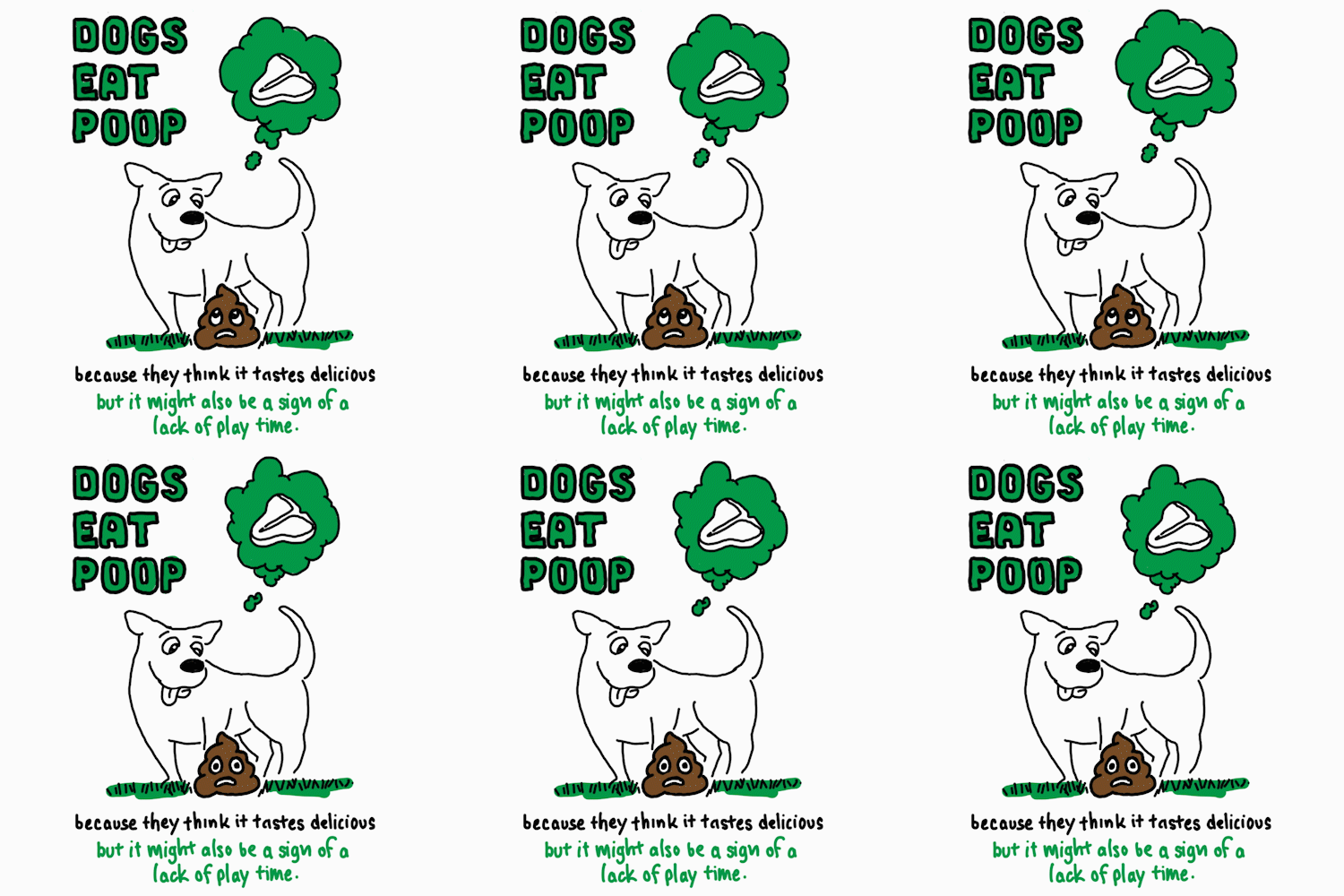
According to Opens a new windowDr. Tammie King, Applied Behavior Technical Leader at Waltham Petcare Science Institute, “It can occur where there is lack of environmental enrichment. You see this often in dogs who are kenneled and have a lack of opportunity to exhibit normal canine behavior.” So if you need another excuse to get out and play with your pooch, this is a good one.
Believe it or not, this is the main reason dogs eat poop. Dr. Jo Gale explains: “Dogs are scavengers by nature and use any opportunity to eat what they can, when they can. They consider it a ‘tasty snack.’” Dr. Tammie King adds that “[Dogs eating poop] is a learned behavior. They’ve done it, enjoyed it, and that behavior is repeated.”
We love our dogs so much that we’re willing to trust our best friends on this. Maybe we should come out with a line of doggie breath mints though. Hmm.
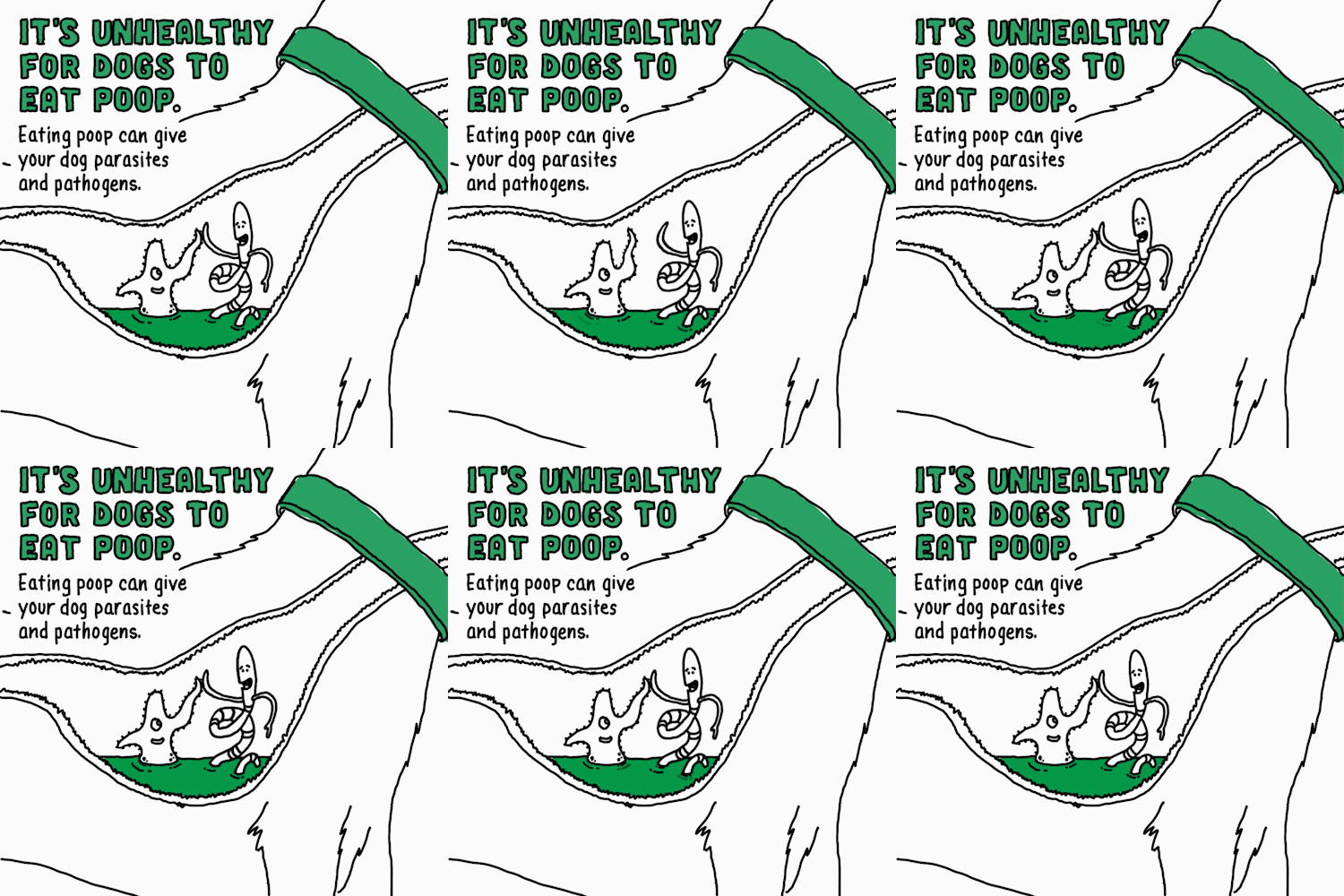
“Ingesting feces from any animal increases potential for ingesting parasites and pathogens,” cautions Opens a new windowDr. James Serpell BSc, Phd Professor of Humane Ethics & Animal Welfare at University of Pennsylvania School of Veterinary Medicine. He went on to say, “[It’s] not something humans should ignore, but it's not worth getting too excited about it.”
All the experts we consulted said that if your dog occasionally eats poop, it’s nothing to be overly alarmed by. Just keep an eye on the frequency and their overall health. And as always, make sure they’re getting a nutritious diet and plenty of exercise and attention. If you have any concerns contact your vet.
Despite dogs liking the taste of poop, we’re going to stick with the healthy range of more traditional flavors offered in all IAMS dog foods.
*Surveyed U.S. dog owners, age 18+
Sample Size: n=201
Fielded May 8 to May 10, 2020
Just like in humans, obesity can lead to serious health issues in dogs as well. The primary causes of obesity in dogs are lack of physical activities, imbalanced diet, and overfeeding. If you notice a sudden increase in your dog’s weight despite having a normal diet and sufficient exercise, it could also be a sign of some hormonal disorder. Obese dogs are at risk of developing diabetes, heart diseases, bone deterioration, arthritis, and other severe disorders. Thus, it is crucial to monitor your dog’s weight.
Wondering what is the ideal weight for dogs? A dog’s healthy weight can differ from breed to breed; hence, you can consult your vet to understand the right weight range for your pet. However, the below dog weight chart will help you get an idea on whether your furry friend is underweight, healthy, or obese.

You can clearly see an underweight dog’s ribs, spine, and hip bone. There is zero body fat and that can be seen on its body. In dogs who are genetically thin, the loss of muscle mass may be evident.
You can easily feel the ribs, spine and hips of a dog that falls in an ideal weight category. Its waist should also be visible from above and the side. The last couple of ribs may be visible on a short-coated dog while playing or exercising, which is normal.
A dog is considered overweight when it weighs 10-20% more than its ideal body weight. It is difficult to feel the ribs of these dogs. The fat accumulation is also visible at the base of its tail and on the belly. Its back also starts to appear broader. It is advisable to start working on shedding the extra kilos your dog has gained at this stage.
A dog is considered overweight when it weighs 20% more than its ideal weight. You cannot feel its ribs at all due to the heavy fat accumulation. Fat deposits are also visible around the dog’s neck and its belly also starts to droop.
You can measure your dog’s weight at home if your dog is a small breed. Here are the steps to follow while measuring the weight of your dog at home:
Step 1: Stand on the weighing scale and take note of your weight
These steps should not be followed by those who have medium or large breed dogs. The size of your dog could make it difficult for you to hold it properly, and if it starts fidgeting, the handler or the dog could get injured. Hence, owners of medium and large breed dogs should go to the vet to weigh their pet.
You can easily manage your dog’s obesity and maintain the ideal weight of your dog if you follow a regime and take the necessary steps. Here’s are some things you should keep in mind during your dog’s weight management:
Dogs remain healthy if their food quantity is controlled and they are fed on time. But you should avoid feeding your dog home-cooked food. Wondering why? It is because home-cooked meals might not have the right nutrients in the right quantities and that can later affect your furry friend’s overall health. Hence, to keep such risks at bay, it is best that you avoid feeding home-cooked food. In case you plan on giving your dog home-cooked meals, it is imperative that you follow the recipe to the T.
Your dog is your friend so, it's hard not to share your delicious bacon or a mouthful of steak with it. When your dog sits next to you and makes those adorable puppy-dog eyes as you eat, it becomes even more difficult to not share some of your food with it. But you must resist. Giving “human food” greatly increases your dog’s fat intake. It also conditions the dog to believe that it will be fed every time you eat.
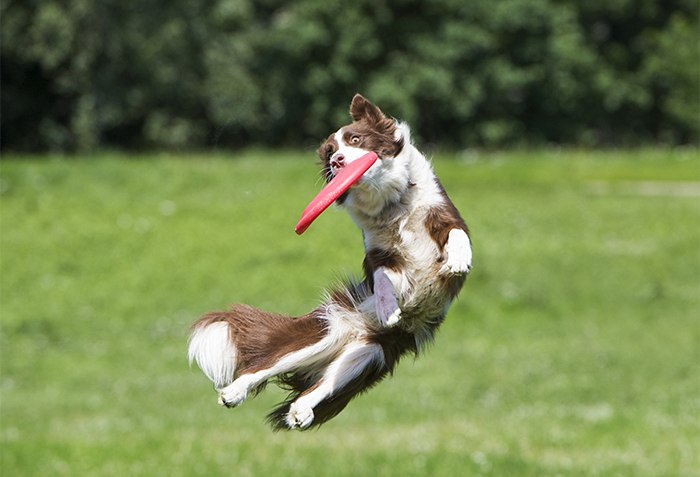
Exercise is a great way to keep your dog in shape. If you have a busy schedule, then you could break it down into short sessions to play fun games like tug-of-war or go for a quick jog with your dog. You could also play with a frisbee or start working on its agility. Dogs that get enough exercise are less likely to be stressed and this way, you would also get a break from your work.
Of course, you want to reward a dog when it’s been a good boy or a good girl. But keep in mind that those dog treats can add calories and fat. And more importantly, think about how many types of treats and snacks you are feeding your dog and how often.
Most of the time, dogs are overweight because they are taking in more calories than they burn. But it's possible there's a bigger problem. If you've tried to control your dog's diet and increase exercise and haven't seen any results yet, consult your veterinarian about thyroid disease or other metabolic or hormonal disorders.
Don't feel discouraged if you don't see results right away. The fight against obesity is fought one day at a time. It is the inculcation of good habits and discipline. By following the tips above and increasing your willpower and patience your dog’s weight management will be an easier and healthy process.
There are lots of dog foods available in the market and each pack contains different quantities of proteins, vitamins, minerals, and other nutrients. You must go for foods that provide complete nutrition to your furry friend, and not just calories. Hence, it is necessary to opt for a pet food brand that specialises in dog nutrition.
At IAMS™, we have been focusing on bringing out the best in your dog through healthy food. Explore our range of dog food and choose a product that best suits your dog’s size and age. However, consult your vet regarding the serving size and other details. A vet will also provide you with the tips and tricks on keeping your dog’s weight under control.
Just like in humans, obesity can lead to serious health issues in dogs as well. The primary causes of obesity in dogs are lack of physical activities, imbalanced diet, and overfeeding. If you notice a sudden increase in your dog’s weight despite having a normal diet and sufficient exercise, it could also be a sign of some hormonal disorder. Obese dogs are at risk of developing diabetes, heart diseases, bone deterioration, arthritis, and other severe disorders. Thus, it is crucial to monitor your dog’s weight.
Wondering what is the ideal weight for dogs? A dog’s healthy weight can differ from breed to breed; hence, you can consult your vet to understand the right weight range for your pet. However, the below dog weight chart will help you get an idea on whether your furry friend is underweight, healthy, or obese.

You can clearly see an underweight dog’s ribs, spine, and hip bone. There is zero body fat and that can be seen on its body. In dogs who are genetically thin, the loss of muscle mass may be evident.
You can easily feel the ribs, spine and hips of a dog that falls in an ideal weight category. Its waist should also be visible from above and the side. The last couple of ribs may be visible on a short-coated dog while playing or exercising, which is normal.
A dog is considered overweight when it weighs 10-20% more than its ideal body weight. It is difficult to feel the ribs of these dogs. The fat accumulation is also visible at the base of its tail and on the belly. Its back also starts to appear broader. It is advisable to start working on shedding the extra kilos your dog has gained at this stage.
A dog is considered overweight when it weighs 20% more than its ideal weight. You cannot feel its ribs at all due to the heavy fat accumulation. Fat deposits are also visible around the dog’s neck and its belly also starts to droop.
You can measure your dog’s weight at home if your dog is a small breed. Here are the steps to follow while measuring the weight of your dog at home:
Step 1: Stand on the weighing scale and take note of your weight
These steps should not be followed by those who have medium or large breed dogs. The size of your dog could make it difficult for you to hold it properly, and if it starts fidgeting, the handler or the dog could get injured. Hence, owners of medium and large breed dogs should go to the vet to weigh their pet.
You can easily manage your dog’s obesity and maintain the ideal weight of your dog if you follow a regime and take the necessary steps. Here’s are some things you should keep in mind during your dog’s weight management:
Dogs remain healthy if their food quantity is controlled and they are fed on time. But you should avoid feeding your dog home-cooked food. Wondering why? It is because home-cooked meals might not have the right nutrients in the right quantities and that can later affect your furry friend’s overall health. Hence, to keep such risks at bay, it is best that you avoid feeding home-cooked food. In case you plan on giving your dog home-cooked meals, it is imperative that you follow the recipe to the T.
Your dog is your friend so, it's hard not to share your delicious bacon or a mouthful of steak with it. When your dog sits next to you and makes those adorable puppy-dog eyes as you eat, it becomes even more difficult to not share some of your food with it. But you must resist. Giving “human food” greatly increases your dog’s fat intake. It also conditions the dog to believe that it will be fed every time you eat.
Exercise is a great way to keep your dog in shape. If you have a busy schedule, then you could break it down into short sessions to play fun games like tug-of-war or go for a quick jog with your dog. You could also play with a frisbee or start working on its agility. Dogs that get enough exercise are less likely to be stressed and this way, you would also get a break from your work.
Of course, you want to reward a dog when it’s been a good boy or a good girl. But keep in mind that those dog treats can add calories and fat. And more importantly, think about how many types of treats and snacks you are feeding your dog and how often.
Most of the time, dogs are overweight because they are taking in more calories than they burn. But it's possible there's a bigger problem. If you've tried to control your dog's diet and increase exercise and haven't seen any results yet, consult your veterinarian about thyroid disease or other metabolic or hormonal disorders.
Don't feel discouraged if you don't see results right away. The fight against obesity is fought one day at a time. It is the inculcation of good habits and discipline. By following the tips above and increasing your willpower and patience your dog’s weight management will be an easier and healthy process.
There are lots of dog foods available in the market and each pack contains different quantities of proteins, vitamins, minerals, and other nutrients. You must go for foods that provide complete nutrition to your furry friend, and not just calories. Hence, it is necessary to opt for a pet food brand that specialises in dog nutrition.
At IAMS™, we have been focusing on bringing out the best in your dog through healthy food. Explore our range of dog food and choose a product that best suits your dog’s size and age. However, consult your vet regarding the serving size and other details. A vet will also provide you with the tips and tricks on keeping your dog’s weight under control.