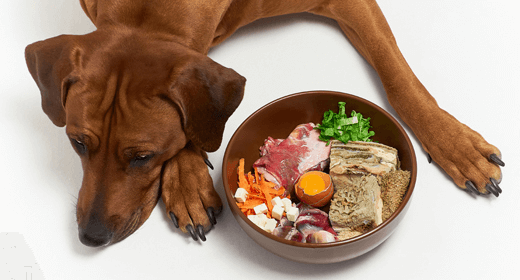
We often find ourselves wanting to share our meals with our furry companions. While it's natural to want to share every aspect of our lives with them, should we really include dogs in our gastronomic adventures? Let’s find out!
Can dogs eat human foods?
The answer is both yes and no. While dogs are omnivores and can eat a variety of foods, their digestive systems differ significantly from ours. This means that some human foods that are perfectly safe for us can actually be harmful or even toxic to our canine companions.
Human foods: What can dogs eat
Here are some safe and healthy human foods dogs can eat:
- Carrots: Crunchy and delicious, carrots are excellent for dental health and packed with essential nutrients like beta-carotene and vitamin A.
- Salmon: Rich in omega-3 fatty acids, salmon promotes healthy skin and coat, and is a good source of protein. Remember to cook it without harmful seasonings or oils.
- Blueberries: These tiny berries are bursting with antioxidants and fiber, making them a healthy and delicious treat for your dog.
- Eggs: Scrambled or hard-boiled, cooked eggs are a safe and nutritious protein source for dogs.
- Peanut butter: Unsweetened and unsalted peanut butter is a tasty and healthy source of fat for your dog. You can even use it to fill puzzle toys for extra mental stimulation.
Human foods: What can dogs not eat
Beware of these common human foods that are toxic to dogs:
- Chocolate: Contains theobromine, a stimulant that can cause heart problems, vomiting, seizures, and even death in dogs.
- Grapes and raisins: These pose a risk of kidney failure in dogs, even in small quantities.
- Onions and garlic: Toxic even in small quantities, these can cause anemia and damage red blood cells in dogs.
- Avocado: The flesh and pit of avocados contain persin, which can cause vomiting, diarrhea, and pancreatitis in dogs.
- Macadamia nuts: These nuts can cause weakness, tremors, hyperthermia, and even death in dogs.
Additional tips:
- Always introduce new foods slowly to avoid digestive upset.
- Moderation is key. Even safe foods should be given in moderation to avoid weight gain and other health problems.
- Consult your veterinarian if you have any concerns about specific foods or your dog's health.
Choosing the right food for your dog
While it's certainly tempting to share our meals with our beloved furry companions, it's crucial to remember that their dietary needs are distinct from ours. Human foods, even those seemingly harmless, can be detrimental to a dog's health.
Why? Unlike human food, dog food is specially formulated to meet their specific nutritional requirements. It's a carefully balanced diet packed with proteins, essential vitamins, minerals, and other nutrients vital for their overall well-being.
Why specialised dog food matters
- Balanced nutrition: Dog food is carefully formulated to provide all the essential vitamins, minerals, and nutrients your dog needs for optimal growth and development. It ensures they receive the right amount of protein, carbohydrates, fats, and fiber, promoting a healthy immune system, strong bones and muscles, and a shiny coat.
- Digestive health: Human food can be difficult for dogs to digest, leading to gastrointestinal upset, vomiting, and diarrhea. Dog food is designed to be easily digestible by their sensitive systems, promoting optimal nutrient absorption and gut health.
- Specific needs: Different breeds and life stages have varying nutritional requirements. Puppies need additional energy and nutrients for growth, while older dogs may require a diet lower in calories and fat. Specialised dog food caters to these specific needs, ensuring your furry friend receives the right nutrition for their age and breed.
For instance, IAMS dog food is crafted with your dog's health in mind. It provides a range of benefits such as:
- Strong and healthy bones and muscles: IAMS dog food is rich in protein, which is crucial for supporting healthy growth and development.
- Shiny coat and healthy skin: The food contains essential fatty acids that contribute to a radiant coat and healthy skin.
- Enhanced immunity: IAMS provides vital nutrients that help boost your dog's immune system, protecting them from illnesses.
- Improved digestive health: The food contains prebiotics and probiotics that promote healthy digestion and gut health.
Our ultimate goal is to take the best care of our dogs. This means feeding them with nutrient-rich foods that cater to their specific dietary needs. By choosing the right food, like IAMS products, you ensure that your dog stays healthy, energetic, and happy.