Enter a keyword below to search for articles and products.
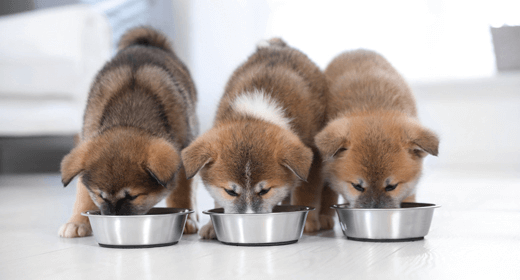
Your new puppy's first meals at home are very important. Find out what formula your puppy has been eating, and continue feeding this food for a day or two after you bring him home. If you want to change his diet to a premium food such as IAMS™ ProActive Health™ Smart Puppy Original , gradually move him to the new formula and help avoid intestinal upsets by using the following steps:
Day 1: Fill your dog's bowl with 75% of his old food and 25% of IAMS ProActive Health Smart Puppy Original.
Day 2: Mix his former food and IAMS ProActive Health Smart Puppy Original in a 50/50 ratio.
Day 3: Feed your dog a mixture that's 75% IAMS ProActive Health Smart Puppy Original and 25% former food.
Day 4: Feed 100% of IAMS ProActive Health Smart Puppy Original.
To feed a puppy from weaning to 4 months of age, offer a 100% complete and balanced premium puppy formula. To determine each serving size, start with the daily amount recommended by the feeding guidelines on the pet food label, and divide that number by the number of times a day (usually three times) you plan to feed your puppy.
Serve the food at room temperature and remove the bowl within 30 minutes after he's done eating. After four months, you can feed a puppy twice daily on a regular schedule.
Don't add nutritional supplements to your dog's diet. Adding commercial dietary supplements or 'people food' such as hamburger, eggs, cottage cheese, or cow's milk is unnecessary and might even do more harm than good.
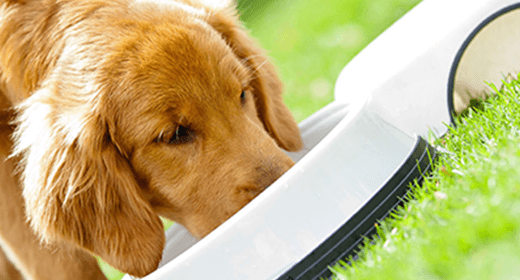
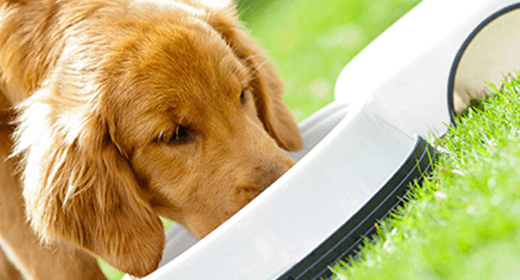
Feeding your dog the right nutrients and a complete, balanced diet doesn’t have to be a head-scratcher. Find out how to choose the right dog food, how often to feed your dog, how to handle treats and supplements, and much more.
We often find ourselves wanting to share our meals with our furry companions. While it's natural to want to share every aspect of our lives with them, should we really include dogs in our gastronomic adventures? Let’s find out!
The answer is both yes and no. While dogs are omnivores and can eat a variety of foods, their digestive systems differ significantly from ours. This means that some human foods that are perfectly safe for us can actually be harmful or even toxic to our canine companions.
Here are some safe and healthy human foods dogs can eat:
Beware of these common human foods that are toxic to dogs:
While it's certainly tempting to share our meals with our beloved furry companions, it's crucial to remember that their dietary needs are distinct from ours. Human foods, even those seemingly harmless, can be detrimental to a dog's health.
Why? Unlike human food, dog food is specially formulated to meet their specific nutritional requirements. It's a carefully balanced diet packed with proteins, essential vitamins, minerals, and other nutrients vital for their overall well-being.
For instance, IAMS dog food is crafted with your dog's health in mind. It provides a range of benefits such as:
Our ultimate goal is to take the best care of our dogs. This means feeding them with nutrient-rich foods that cater to their specific dietary needs. By choosing the right food, like IAMS products, you ensure that your dog stays healthy, energetic, and happy.