Enter a keyword below to search for articles and products.


Dogs bring us immense joy and companionship, and we naturally want them to live happy and healthy lives. However, a hidden threat lurks in the shadows, capable of jeopardising the health of our furry friends: infestations of fleas and ticks. These tiny parasites, barely visible to the naked eye, pose a significant danger, requiring our vigilance and prompt action to protect the ones we love.
To effectively protect your dog, it's crucial to understand the lifecycles of these parasites.
Fleas have a four-stage life cycle:
Ticks, while different in their lifecycle, pose a similar threat. They follow these stages:
Early detection is key in managing these parasites.
Fleas are small, wingless insects that feed on the blood of dogs. They can cause various problems for your dog, including:
Ticks are larger than fleas and have eight legs. They latch onto your dog's skin and feed on their blood. Ticks can transmit various diseases to dogs, including Lyme disease, anaplasmosis, and Rocky Mountain spotted fever. Here are some signs of ticks on your dog:
Once you've identified an infestation, prompt and effective treatment is essential.
When dealing with fleas on dogs, a multi-pronged approach is often necessary. Here are some effective options:
Consulting your veterinarian is crucial when choosing a flea treatment, as they can recommend the most appropriate option based on your dog's age, breed, and specific needs.
If you find a tick attached to your dog, it's essential to remove it promptly and safely. Here's how:
Monitor your dog for any signs of infection, such as redness, swelling, or fever. If you notice any concerns, consult your veterinarian immediately.
Important tip: Avoid using home remedies like petroleum jelly or matches to remove ticks, as these can cause the tick to release more saliva and potentially increase the risk of disease transmission.
A proactive approach is the best way to protect your dog from these pests.
Protecting your dog from fleas and ticks is crucial for their health and well-being. By implementing a regular prevention routine, combining medication with vigilance and proper hygiene, you can keep your furry friend safe and comfortable. Remember, consulting your veterinarian for personalised advice is the best way to ensure the most effective approach for your dog's specific needs.
Dogs can get fleas from environments where fleas are present. This includes outdoor areas (like parks or gardens), other infested animals, or contaminated objects (like bedding or carpet). Fleas jump onto dogs from these sources, starting an infestation.
Yes, dogs can get fleas from other dogs. Fleas are adept at jumping from one host to another. When dogs interact or play together, fleas can easily transfer between them, especially in close quarters like dog parks or kennels.
Yes, ticks on dogs can be harmful. They attach to the dog's skin and feed on blood, potentially transmitting diseases like Lyme disease, anaplasmosis, and Rocky Mountain spotted fever. The bite site can also become infected if not properly treated.
To remove ticks from your dog, use fine-tipped tweezers to grasp the tick as close to the skin’s surface as possible. Pull upward with steady, even pressure. After removal, clean the bite area and your hands with rubbing alcohol, an iodine scrub, or soap and water.


Dogs use a range of sounds to communicate with us and each other. Just as important is the body language they use to tell us how they feel or what they need. How well do you know your pooch’s unspoken cues? Read on to find out.
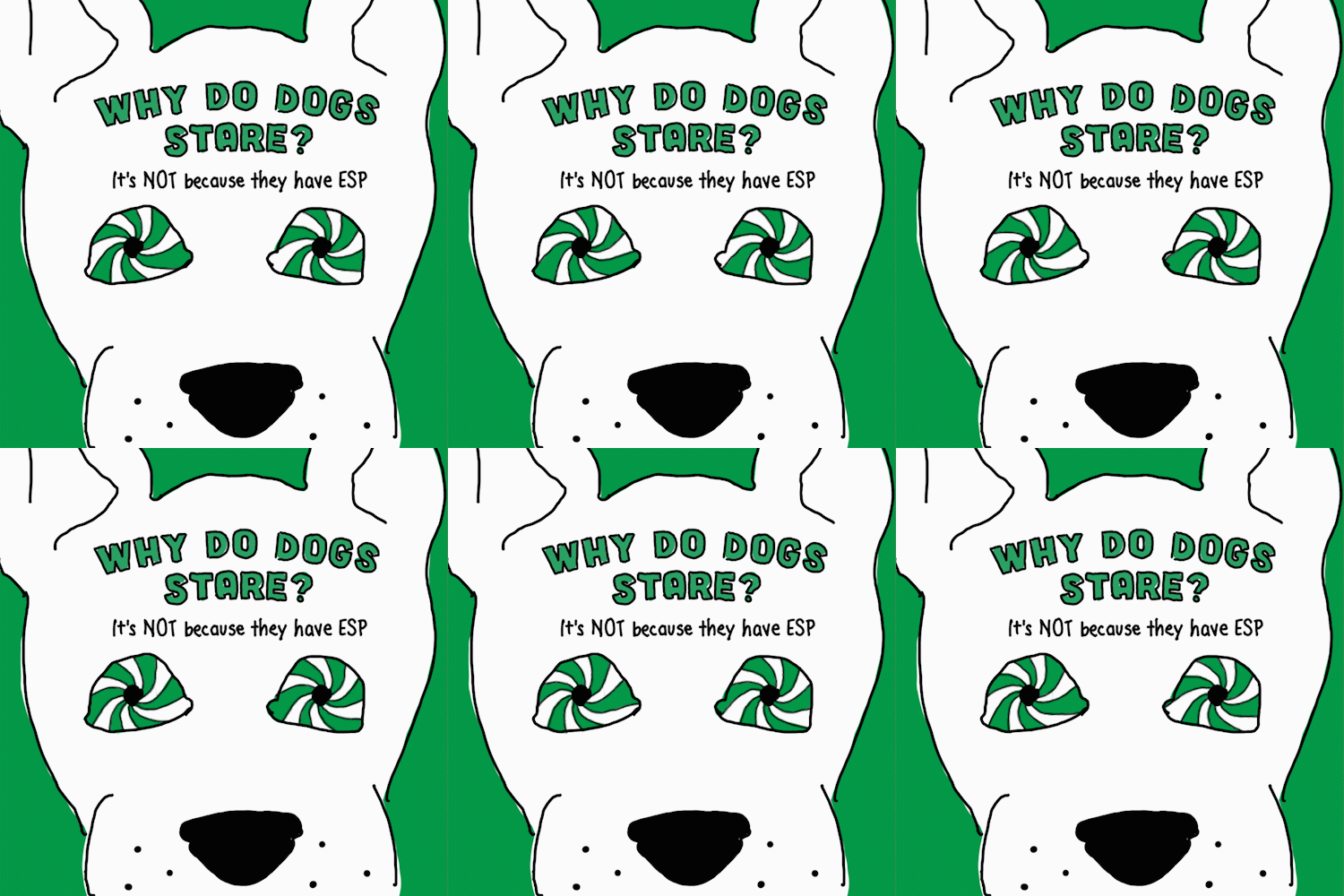
Dogs often stare at their owners because they love them. They want to make sure you’re okay or find clues for what you’ll do next — like making sure you’re not going for a car ride without them.
We love it when dogs do this, too, which has led to this trait being even more prominent.
Opens a new windowDr. James Serpell, BSc, PhD, Professor of Humane Ethics & Animal Welfare at University of Pennsylvania School of Veterinary Medicine, explains: “We've selected dogs for this behavior. Humans love that dogs look up at them in admiration, intense loyalty. One frequent observation researchers have made is that people who handle wild dogs ... they don't look their handlers in the eye like domesticated dogs do.”
Dogs have great hearing. High-frequency sounds that humans can’t hear are especially interesting to them. Head-tilting helps them track down the source. Owners find these head tilts super cute and often reward this behavior, which, of course, makes them do it more.
Dogs yawn when they’re tired, but it’s also a possible sign they’re stressed, impatient or frustrated — like when they’re in the vet’s office, or when you won’t throw that ball you’re holding already!
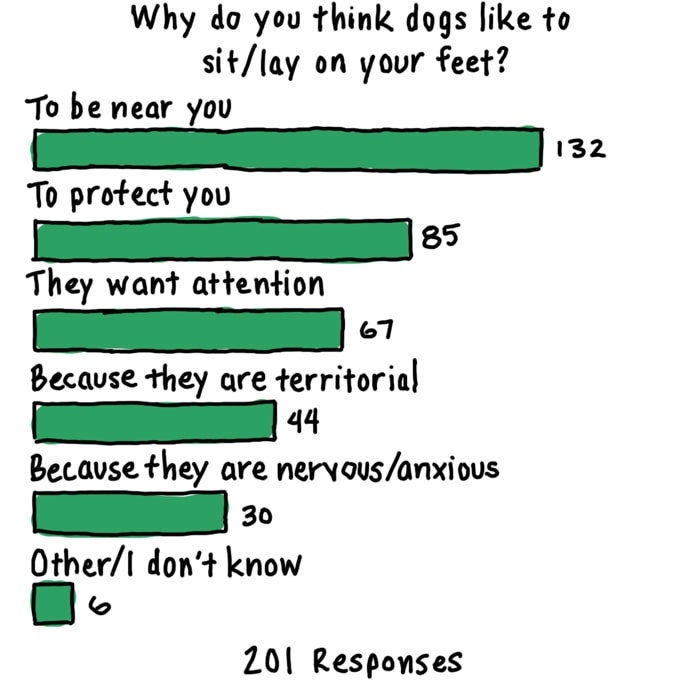
In a recent IAMS poll,* 90% of dog owners said their pet sits or lays on their feet and 100% of dogs said they love their owners. Dogs are very social creatures and this is a way for them to connect and be close to you. Plus, it keeps your feet warm.
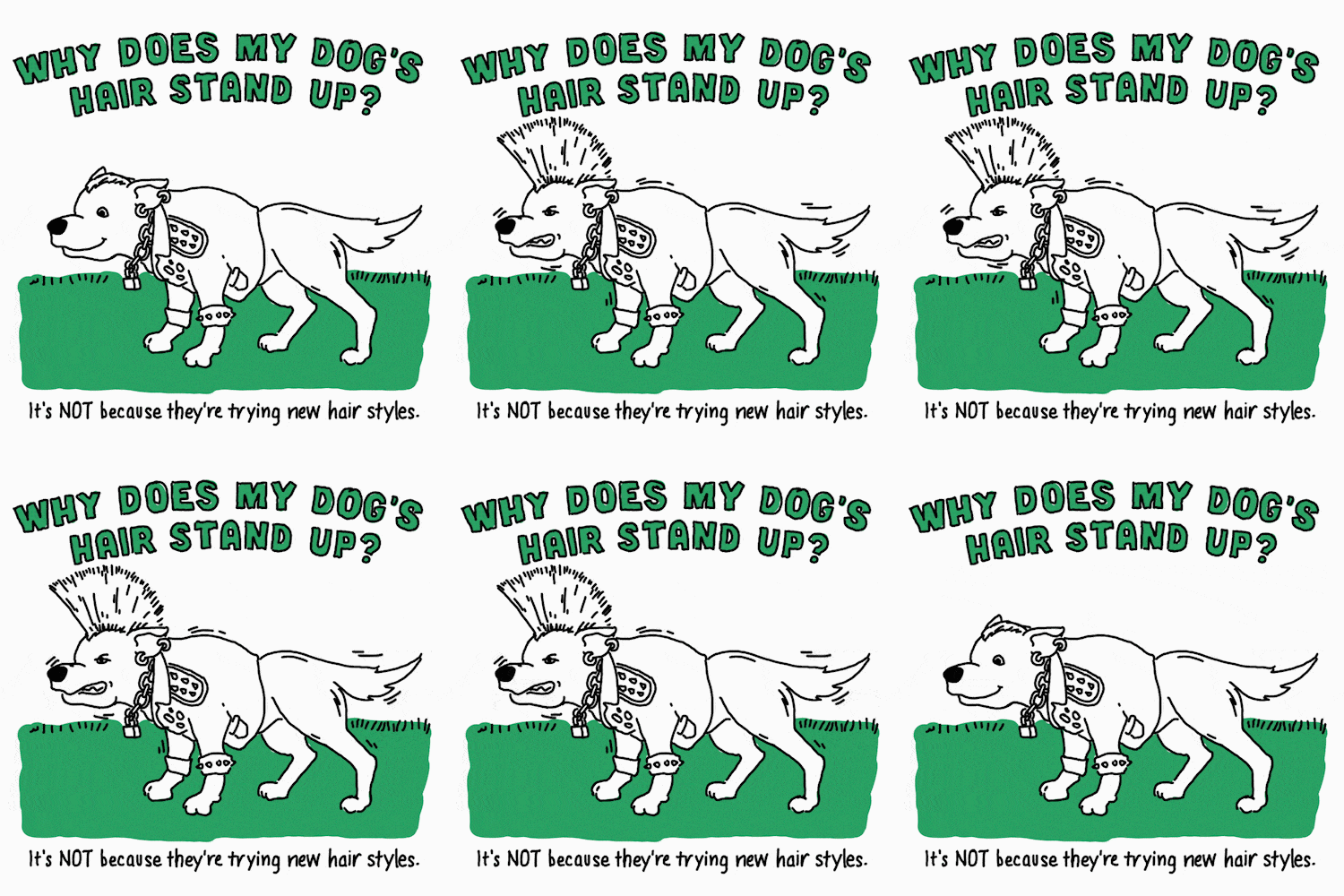
Often called “raised hackles,” dogs do this when they’re nervous, threatened or showing aggression. It’s an adaptation from their wild days of attempting to make themselves look bigger.
Opens a new window Dr. Tammie King, Applied Behavior Technical Leader at Waltham Petcare Science Institute, offered this insight to keep in mind: “What’s important when talking about a dog’s body language is to not take one thing in isolation. You’re at risk of misinterpreting what the dog is trying to say to you. Context is everything.”
So be sure to pay attention to what your dog isn’t saying to keep them healthy and happy. Serving them
Opens a new windowIAMS dog food every day will certainly help.
*Surveyed U.S. dog owners, age 18+
Sample Size: n=201
Fielded May 8 to May 10, 2020