Enter a keyword below to search for articles and products.


Found in the blood and in the fluid that surrounds cells, sodium maintains the cellular environment and prevents cells from swelling or dehydrating. Sodium is also important for maintaining proper nerve and muscle cell function.
Meat, poultry, fish, and eggs are good sources of sodium.
Sodium also might be included in commercial pet foods in the form of table salt (sometimes listed on the ingredient panel as salt). Salt is an important palatant for animals, as well as for people.
The Association of American Feed Control Officials recommends that dry dog foods contain at least 0.3% sodium for both maintenance and to support normal growth and development. This is the minimum recommended levels.
While high sodium intake might cause increased thirst and water consumption, the extra sodium is excreted in the urine of dogs. Healthy dogs are able to consume diets with higher sodium levels than those found in most commercial pet foods without increased blood pressure or gain in body water.
Therefore, the sodium level in commercial pet foods is not a cause for concern in healthy animals.

A veterinarian might recommend decreasing a dog's sodium intake if the animal has some types of kidney, liver, or heart disease, in order to help decrease high blood pressure or the accumulation of excessive body fluid.
Although older dogs might be more likely to develop these diseases, healthy older dogs do not require a low- or reduced-sodium diet.
The sodium level in our dog foods is appropriate for a healthy dog. The sodium content in these foods is balanced in proper proportions with energy, other minerals, vitamins, fats, proteins, and carbohydrates.


Feeding your dog the right nutrients and a complete, balanced diet doesn’t have to be a head-scratcher. Find out how to choose the right dog food, how often to feed your dog, how to handle treats and supplements, and much more.
We often find ourselves wanting to share our meals with our furry companions. While it's natural to want to share every aspect of our lives with them, should we really include dogs in our gastronomic adventures? Let’s find out!
The answer is both yes and no. While dogs are omnivores and can eat a variety of foods, their digestive systems differ significantly from ours. This means that some human foods that are perfectly safe for us can actually be harmful or even toxic to our canine companions.
Here are some safe and healthy human foods dogs can eat:
Beware of these common human foods that are toxic to dogs:
While it's certainly tempting to share our meals with our beloved furry companions, it's crucial to remember that their dietary needs are distinct from ours. Human foods, even those seemingly harmless, can be detrimental to a dog's health.
Why? Unlike human food, dog food is specially formulated to meet their specific nutritional requirements. It's a carefully balanced diet packed with proteins, essential vitamins, minerals, and other nutrients vital for their overall well-being.
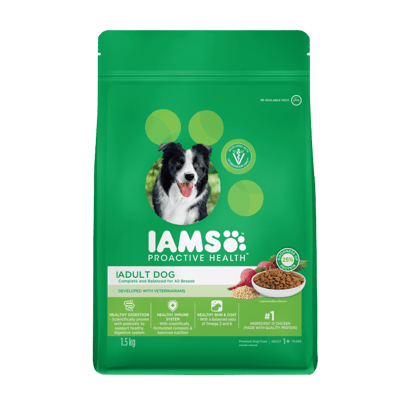
For instance, IAMS dog food is crafted with your dog's health in mind. It provides a range of benefits such as:
Our ultimate goal is to take the best care of our dogs. This means feeding them with nutrient-rich foods that cater to their specific dietary needs. By choosing the right food, like IAMS products, you ensure that your dog stays healthy, energetic, and happy.