Enter a keyword below to search for articles and products.


Obesity is a common problem in dogs, but you can help your pet lose weight. Identifying the causes and following a total weight-management program can result in controlled weight loss and maintenance. A total weight-management program includes evaluating the animal, educating the pet owner, modifying behaviors, and tailoring the program to individual situations.
Obesity is defined as an increase in body weight, beyond the limitation of skeletal and physical requirements, resulting from an accumulation of excess body fat.
Obesity is caused when caloric intake exceeds caloric expenditure. This simply means that a dog eats more energy (calories) than it uses and stores the excess energy as fat.
There are many factors that can contribute to obesity:
Fat
Fiber and Fatty Acids
Carbohydrates and Special Ingredients
In addition, a diet that contains L-carnitine can help dogs metabolize fat. L-carnitine is a vitamin-like compound that helps burn fat.
A total weight-management program can lead to successful weight reduction in the obese dog. Complete evaluation by the veterinarian is always recommended, and owner compliance is essential to success.
IAMS™ and professional veterinary products provide optimum nutrition for animals that can benefit from a weight-management program.
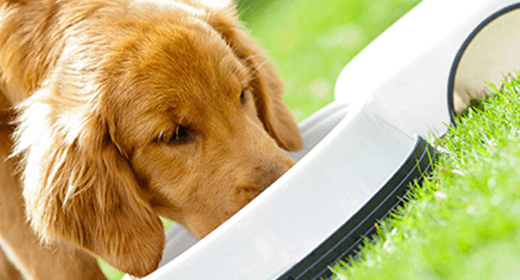
Feeding your dog the right nutrients and a complete, balanced diet doesn’t have to be a head-scratcher. Find out how to choose the right dog food, how often to feed your dog, how to handle treats and supplements, and much more.
We often find ourselves wanting to share our meals with our furry companions. While it's natural to want to share every aspect of our lives with them, should we really include dogs in our gastronomic adventures? Let’s find out!
The answer is both yes and no. While dogs are omnivores and can eat a variety of foods, their digestive systems differ significantly from ours. This means that some human foods that are perfectly safe for us can actually be harmful or even toxic to our canine companions.
Here are some safe and healthy human foods dogs can eat:
Beware of these common human foods that are toxic to dogs:
While it's certainly tempting to share our meals with our beloved furry companions, it's crucial to remember that their dietary needs are distinct from ours. Human foods, even those seemingly harmless, can be detrimental to a dog's health.
Why? Unlike human food, dog food is specially formulated to meet their specific nutritional requirements. It's a carefully balanced diet packed with proteins, essential vitamins, minerals, and other nutrients vital for their overall well-being.
For instance, IAMS dog food is crafted with your dog's health in mind. It provides a range of benefits such as:
Our ultimate goal is to take the best care of our dogs. This means feeding them with nutrient-rich foods that cater to their specific dietary needs. By choosing the right food, like IAMS products, you ensure that your dog stays healthy, energetic, and happy.