Enter a keyword below to search for articles and products.
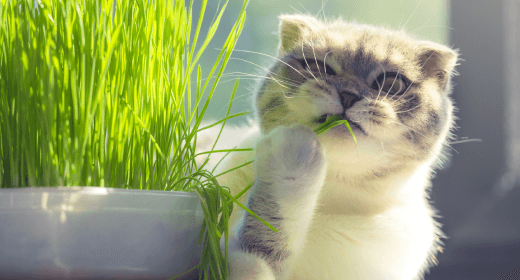
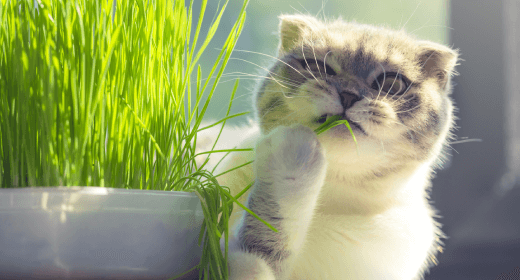
Fiber is a type of carbohydrate that isn't digested by a cat's gastrointestinal tract. It is important for cat health, because it provides bulk to move food through. Some types of fiber can be fermented (broken down by bacteria) in the system. This process creates short-chain fatty acids (SCFA), which are an important energy source for the cells lining the intestinal tract.
Today, people are more aware of fiber and its role in their diet. Studies showing the beneficial effects of higher fiber levels in humans influence the way many people think about their own food and that of their pets. Some manufacturers now apply the recommendations of human nutritionists and make high-fiber diets for cats, but cats have a much shorter digestive tract than we do. And unlike humans, cats are carnivorous, so their nutritional needs are better satisfied with meat rather than plant matter. Therefore, cats have different dietary needs than humans. For more than 60 years, companion animal nutritionists at IAMS™ have been studying diets to meet the special nutritional needs of cats.
IAMS Company research shows the optimal crude fiber level for healthy cats ranges from 1.4% to 3.5%. At these levels, nutrient breakdown is maximized. In unique situations, such as hairballs, higher fiber levels may be beneficial.
An important characteristic of fiber is its fermentability, or how well it can be broken down by bacteria in the intestine. This breakdown produces short-chain fatty acids, which provide energy to the intestines. Fiber varies in fermentability. Fiber sources used in pet foods include cellulose, which is poorly fermentable; beet pulp, which is moderately fermentable; and gums and pectin, which can be highly fermentable. Research has shown that moderate levels of moderately fermentable fiber, such as beet pulp, provide the benefits of energy for the intestinal lining and bulk, without the negative effects of excessive stool or gas and, therefore, are beneficial in cat diets.
High levels of poorly fermentable fiber are used in some weight-reduction pet foods to dilute the calories in a serving. IAMS Company research shows that high fiber levels can make it harder to digest other nutrients in the food and, in turn, reduce the nutritional quality of a cat's diet. Your cat making more trips to the litter box can be a result.
When choosing a pet food, fiber is an important consideration, but remember that the needs of cats are not the same as those of humans. A moderate level of moderately fermentable fiber, such as beet pulp, provides proven nutritional benefits for cats. Cat diets containing high levels of poorly fermentable fiber dilute calories and deprive cats of the nutrients they need.
All IAMS products are made with levels of moderately fermentable fiber needed to promote intestinal health. And all IAMS foods, such as IAMS ProActive Health™ Adult Original with Chicken, contain the moderately fermentable fiber system, which is the exclusive property of IAMS Company and is protected by U.S. Patent No. 5,616,569 for Pet Food Products Containing Fermentable Fibers and Process for Treating Gastrointestinal Disorders.
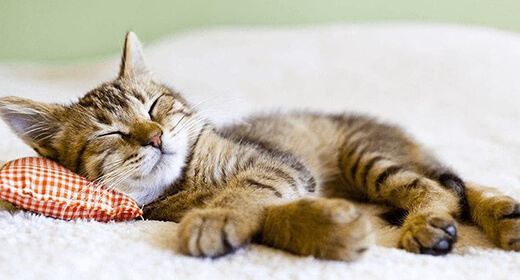
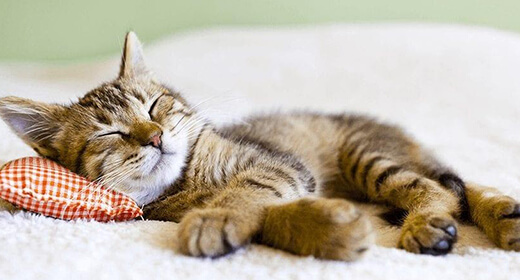
Kittens are super adorable, and it is wonderful to have one as a pet. While it’s fun to have a kitten at home, it’s important to understand your kitten’s various needs during the different stages of its life and take care of it in the right way. ‘How to take care of kittens’ is a question that most first-time kitten owners ask. But taking care of newborn kittens can be quite a hassle-free process if you follow a routine and understand a few do’s and don’ts about kitten care. We, at IAMS, are here to help you with this process in every way we can.
Kitten care is extremely important to make sure your kitten grows up to be a healthy cat. While in the kitten stage, it is still trying to get used to the new surroundings. Therefore, we recommend that you be by its side and help the little kitten acclimatize to its new house.
A kitten becomes a part of your family right from day one. But raising a kitten might sound like a strenuous job if you’re a new pet parent, but it isn’t. The whole process can be quite fun and will help you bond with your kitten.
Some of the most important aspects of looking after a kitten are:
Hygiene: Maintaining good hygiene is always important. You must clean your kitten’s den regularly.
Feeding nutrition-rich food: Your kitten needs a nutritious, balanced diet for healthy growth and development. It is advisable that you buy IAMS Healthy Kitten food. IAMS is Developed with Veterinarians and Chicken is the 1st ingredient of this recipe. This premium kitten food promotes brain development and helps build a healthy immune system.
Regular health check-ups: Take your kitten to the vet regularly to understand its progress in terms of behaviour and health.
Grooming: It is advisable to start grooming your cat at an early age, especially if it has a furry coat or long hair.
As a first-time kitten owner, you might not be well aware of the growth stages your little feline friend will go through, but it’s very important to understand them. So, here’s a table that can help you with the same:
Growth stage | 0-2 weeks (Neonatal) | 2-7 weeks (Socialisation) | 7-14 weeks (Most Active Period) | 3-6 months (Ranking Period) | 6-18 months (Adolescence) |
Character traits | Learns to incline towards sounds | Learns to socialize | This is the most active play period of your kitten | In this stage, the kitten gets most influenced by other kittens in their litter or even other animals. | Asserts maximum dominance in this stage. |
Eyes start to open by this time | Senses of smell and hearing are fully developed by the 4th week | Starts expressing affection through hugging and licking | Starts understanding and asserting ranks on people it lives with. | Exhibits sexual behaviour if not spayed. | |
If the kitten is separated from its mother or siblings, it may tend to get aggressive towards people and other cats. | Sight is fully developed by the 5th week, and they can run and pounce without colliding with obstacles | Can paw, mouth, and hold objects as well | |||
Starts grooming itself | Also starts chasing its tail and starts pouncing and leaping around | ||||
Starts developing sleep patterns, motor abilities and interactions |
The major difference that occurs in taking care of kittens when they grow up is switching their food. Cats need more nutrition and vital elements that keep its body strong and healthy. It is advisable to switch to premium cat food while transitioning your kitten to adult cat food.
If your cat is neglected and does not receive proper care, attention, and nutrition, it may become depressed and weak. Your cat may also contract diseases if it is not kept clean.
While in the kitten stage, it is advisable to schedule frequent visits to the vet to check on the overall health of your kitten. It is advisable to keep a tab on their allergies while it is in the kitten stage.
Here are a few tips for first-time cat owners: