Enter a keyword below to search for articles and products.
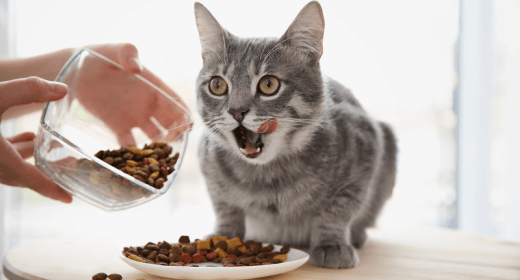
Taurine is an important component to all IAMS™ cat foods, such as IAMS ProActive Health™ Adult Original with Chicken.
Taurine is an essential amino acid that is critical for normal heart muscle function, vision, and reproduction in kittens. It is also needed to form the bile salts that aid in digestion. Unlike other amino acids, taurine is found as a free amino acid in body tissues such as the heart and eyes and is not incorporated into proteins.
Most mammals manufacture taurine from other amino acids. However, cats cannot manufacture enough and, therefore, must acquire enough additional taurine through diet to meet their needs. In pet food, taurine is naturally found in animal-based protein ingredients and can also be added separately.
Taurine helps in maintaining normal vision, heart muscle function, digestion, normal pregnancy and fetal development, and a healthy immune system. Taurine for cats can only be found in animal-derived proteins.
Taurine can be made by dogs from two other amino acids: cysteine and methionine. As a result, it isn't regarded necessary in their diet. But since taurine is an important ingredient, you can add it to your pet’s diet due to its numerous health benefits.
Taurine criteria for commercial dog food have yet to be established. If you are worried that your dog may have inadequate taurine or if you need guidance on how much taurine to include in your dog's diet, it is best to consult your veterinarian.
It is vital to include taurine in your cat’s food because cats cannot synthesize it. If your cat's food has too little taurine, it will become taurine deficient, which can lead to a range of major health concerns. For example, taurine could cause your cat’s retinas to degenerate and make your pet go blind. Further, this lack of taurine can stifle growth and make it difficult for you cat to reproduce.
Therefore, the minimum taurine requirement for adult cats in commercial pet food is 25mg/100 kcal for dry food and 50mg/100 kcal for canned foods, according to the Association of American Feed Control Officials Publication, 2018. However, because taurine requirements vary from one cat to the next, it's always a good idea to check with your vet if you're concerned that your pet isn't getting enough.
IAMS dry cat foods also include taurine as an ingredient to supplement the primary source of this amino acid, which is animal-based protein from sources such as chicken, egg, lamb, and fish. However, these sources can vary in their taurine content, and adding more taurine is a sound approach to ensure optimal taurine levels.Ü
Taurine is an amino acid found in muscles, the heart, the brain, and the retina, among other tissues and organs. Unlike most amino acids, taurine does not form cell proteins but has a variety of other functions. Here are some taurine benefits for cats:
Taurine deficiency can cause serious health problems for your cat over time because it is required for many regular metabolic functions. Some of the issues include:
IAMS cat foods are formulated with high-quality, animal-based proteins as their primary ingredient. In addition, they are supplemented with extra taurine to ensure balanced levels of essential amino acids.
IAMS Proactive Health Healthy Adult with Chicken and Salmon are one of the best foods to feed your cat. This nutrient-dense cat food is available in chicken and salmon flavors. These food ingredients act as the first ingredient to promote a healthy body for play. It also contains natural fiber and prebiotics, which help your cat's digestion. What’s more is that it helps your cat develop strong muscles with rich amounts of protein and provides a complete and balanced diet with no fillers.
Taurine has no significant side effects and is well-tolerated by cats when added correctly. The only side effect reported is minor vomiting which is lessened by providing a supplement with food.
In the late 1980s, taurine was discovered to be an essential component of a cat's diet. Since then, all cat foods have been enriched with plenty of taurine to suit their individual demands.
A high number of cats given unfortified commercial foods suffer from taurine insufficiency. Because cats can't absorb all of the taurine in processed foods and/or can't synthesis the difference between absorption and demand, taurine is considered an essential amino acid for cats.
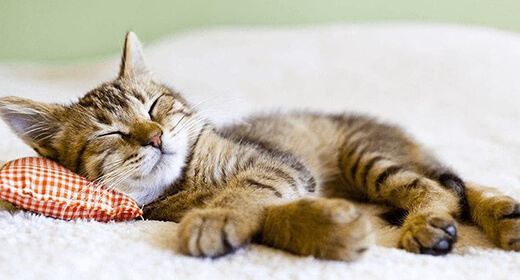
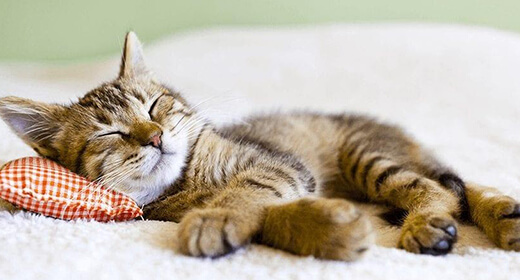
Kittens are super adorable, and it is wonderful to have one as a pet. While it’s fun to have a kitten at home, it’s important to understand your kitten’s various needs during the different stages of its life and take care of it in the right way. ‘How to take care of kittens’ is a question that most first-time kitten owners ask. But taking care of newborn kittens can be quite a hassle-free process if you follow a routine and understand a few do’s and don’ts about kitten care. We, at IAMS, are here to help you with this process in every way we can.
Kitten care is extremely important to make sure your kitten grows up to be a healthy cat. While in the kitten stage, it is still trying to get used to the new surroundings. Therefore, we recommend that you be by its side and help the little kitten acclimatize to its new house.
A kitten becomes a part of your family right from day one. But raising a kitten might sound like a strenuous job if you’re a new pet parent, but it isn’t. The whole process can be quite fun and will help you bond with your kitten.
Some of the most important aspects of looking after a kitten are:
Hygiene: Maintaining good hygiene is always important. You must clean your kitten’s den regularly.
Feeding nutrition-rich food: Your kitten needs a nutritious, balanced diet for healthy growth and development. It is advisable that you buy IAMS Healthy Kitten food. IAMS is Developed with Veterinarians and Chicken is the 1st ingredient of this recipe. This premium kitten food promotes brain development and helps build a healthy immune system.
Regular health check-ups: Take your kitten to the vet regularly to understand its progress in terms of behaviour and health.
Grooming: It is advisable to start grooming your cat at an early age, especially if it has a furry coat or long hair.
As a first-time kitten owner, you might not be well aware of the growth stages your little feline friend will go through, but it’s very important to understand them. So, here’s a table that can help you with the same:
Growth stage | 0-2 weeks (Neonatal) | 2-7 weeks (Socialisation) | 7-14 weeks (Most Active Period) | 3-6 months (Ranking Period) | 6-18 months (Adolescence) |
Character traits | Learns to incline towards sounds | Learns to socialize | This is the most active play period of your kitten | In this stage, the kitten gets most influenced by other kittens in their litter or even other animals. | Asserts maximum dominance in this stage. |
Eyes start to open by this time | Senses of smell and hearing are fully developed by the 4th week | Starts expressing affection through hugging and licking | Starts understanding and asserting ranks on people it lives with. | Exhibits sexual behaviour if not spayed. | |
If the kitten is separated from its mother or siblings, it may tend to get aggressive towards people and other cats. | Sight is fully developed by the 5th week, and they can run and pounce without colliding with obstacles | Can paw, mouth, and hold objects as well | |||
Starts grooming itself | Also starts chasing its tail and starts pouncing and leaping around | ||||
Starts developing sleep patterns, motor abilities and interactions |
The major difference that occurs in taking care of kittens when they grow up is switching their food. Cats need more nutrition and vital elements that keep its body strong and healthy. It is advisable to switch to premium cat food while transitioning your kitten to adult cat food.
If your cat is neglected and does not receive proper care, attention, and nutrition, it may become depressed and weak. Your cat may also contract diseases if it is not kept clean.
While in the kitten stage, it is advisable to schedule frequent visits to the vet to check on the overall health of your kitten. It is advisable to keep a tab on their allergies while it is in the kitten stage.
Here are a few tips for first-time cat owners: