Enter a keyword below to search for articles and products.
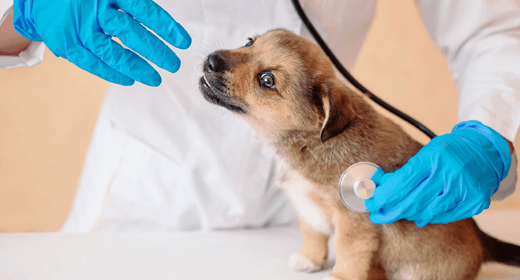
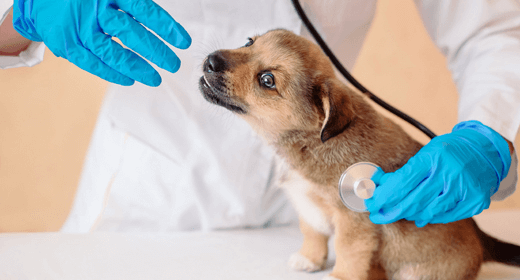
Your puppy's first visit to the vet will probably be more than just a quick hello. Get all the details from Veterinarian Dr. Katy Nelson as she talks about important details like how to properly bring your puppy into the vet's office and vaccinations he needs.
Your puppy's first veterinary checkup is about much more than simply greeting your dog's new vet, weighing in, and getting him his standard immunizations. Believe it or not, your first visit is just as much about educating yourself and answering your questions as it is about checking the health of your newest family member. Your first vet visit requires organization, preparation, and sometimes even some light note taking. Hi, I'm Dr. Katy Nelson with IAMS, and today we're talking about how to take your new puppy to his first veterinary appointment. Let's begin with what you'll need to bring to your first visit. First, you should find out what the breeder or shelter has already done for your puppy. They've probably given them some vaccinations. He probably has also been placed on a deworming schedule, and may even be on a heartworm preventative. And depending upon his breed, the tail may have been docked and the dewclaws removed. Your veterinarian will need all of this information, along with the puppy's approximate birth date. So it's important to bring all of your paperwork with you to your first veterinarian visit, so they can help you determine a schedule for completing immunizations, and determine when it's best to schedule spaying and neutering. Next you should bring a fresh stool sample to your first visit, so the veterinarian can check for parasites. Lastly, prepare a list of questions. After having your puppy home for a few days, there's no better time to ask questions than at your first visit with a medical professional. Ask other family members, too, if they have any questions that they'd like added to your list. Once you're prepared, bring your puppy's crate to the car, and do your best to secure it with available seat belts. Depending on the size and weight of the crate and the puppy, it's usually easier to secure the crate first, and then put your puppy inside. If you cannot fit a crate in your car, try purchasing a dog seat belt that is specifically designed to restrain and protect your puppy in case of an accident. This next piece of information is critical. Carry your puppy into the doctor's office. Do not let him interact with any other animals in the office. Though the other animals may be perfectly healthy themselves, your puppy can still get very sick from even just rubbing noses with another dog until his vaccinations and immunity against disease is further developed. After greeting you and your new pup, your vet will likely begin examining your pup as she continues to converse and answer your questions. She'll check your puppy's weight, temperature, heart, lungs, ears, genitals, eyes, nose, skin, anal region, mouth, and gums for both basic and breed abnormalities. Your puppy needs to learn to be comfortable being handled by others. Remaining calm and peaceful in the new environment with the vet or any other stranger will allow your puppy to do the same. Depending on the status of your puppy's records and stool exam, your puppy will also begin the deworming process, receive the following initial vaccines: rabies, distemper, and Bordatella. If your puppy's exposed to other dogs in boarding, public dog parks, training, and other situations, then based on geography and lifestyle, ask your veterinarian which vaccines they recommend for your puppy. Also, ask your vet about microchipping, and when it is safe to begin socializing and training your pup. Following the initial visit, your veterinarian will ask that you return to booster the vaccines until your puppy reaches a certain age. The time between boosters typically ranges between two and four weeks. Here are some signs that your puppy needs immediate medical care: allergic reactions or swelling around the face, hives-- this is most easily seen on the belly or face-- any eye injuries, any respiratory problems, any signs of pain-- panting, labored breathing, increased body temperature, lethargy, restlessness, or loss of appetite-- any suspected poisoning, any open wound, a seizure, fainting, or collapse, snake bites, thermal stress-- either too hot or too cold-- trauma, like if he's hit by a car, even if he seems fine, vomiting or diarrhea more than two or three times within an hour. I'm Dr. Katy Nelson with IAMS, and I hope that you found this helpful as you welcome your new addition to the family.
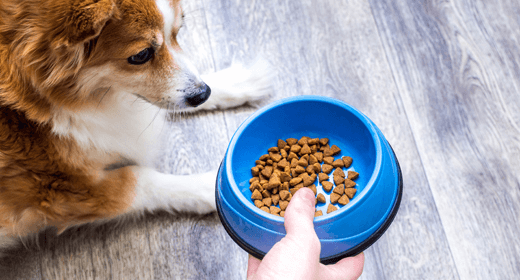
As dogs age, changes occur in the way their bodies function, so it makes sense that what they eat also might need to change. The following list of health issues might be more common in aging pets.
Decreased Immune System Function
Throughout a dog’s life, a process called peroxidation occurs. Peroxidation is a normal process that the body uses to destroy cells that outlive their usefulness and to kill germs, parasites, etc. This process, however, also can destroy or damage healthy cells. As your dog ages, the damage caused by peroxidation accumulates, which, in turn, increases the risk of certain problems, such as infections.
Antioxidants are naturally occurring nutrients that help maintain overall health by neutralizing the peroxidation process of cellular molecules. Some antioxidants, such as vitamin E, beta-carotene, and lutein, are naturally occurring nutrients.
Recent research sponsored by The IAMS™ Company found that dogs fed a diet rich in antioxidants such as vitamin E, lutein, or beta-carotene had improved immune responses and vaccine recognition. This might be especially important in senior dog care; IAMS research has found that as dogs age, immune responses can decrease.
More Frequent Intestinal Problems
Older dogs might have higher numbers of unfavorable bacteria and lower numbers of beneficial bacteria in their intestines, which can result in clinical signs of gastrointestinal problems (e.g., diarrhea).
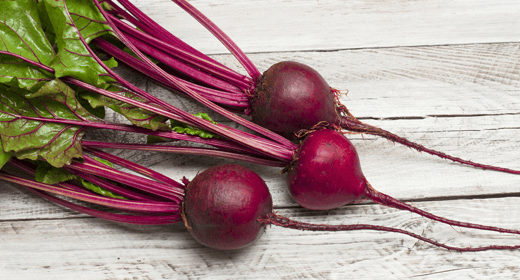
Feeding a diet containing fructooligosaccharides (FOS), a unique fiber source that helps nutritionally maintain healthy intestinal bacterial populations, promotes growth of beneficial bacteria. Beet pulp, a moderably fermentable fiber source, also helps maintain intestinal health by providing energy for the cells lining the intestine and promoting small, firm stools.
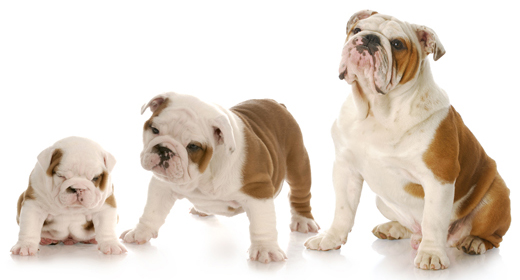
Different dogs show signs of aging at different times, and much of this variation is associated with size. Larger dogs generally appear 'old' sooner than smaller dogs. The table below lists the age at which various groups of dogs should be transitioned to senior foods, such as IAMS™ ProActive Health™ Senior Plus.
| Weight Range | Age to Begin Transition |
|---|---|
| More than 90 lbs | 5 years |
| 51 to 90 lbs | 6 years |
| 21 to 50 lbs | 7 years |
| Up to 20 lbs | 7 years |