Enter a keyword below to search for articles and products.


Some dog parents encounter the challenge of dealing with a finicky eater, where their furry friend becomes selective or hesitant about their meals. Understanding the underlying reasons for this behaviour is crucial in ensuring the well-being and health of these cherished pets. In this article, we delve into the various factors that contribute to a dog's picky eating habits, exploring potential psychological, physiological, and environmental triggers.
Is your dog a picky eater? A dog's temporary loss of appetite can stem from various factors, including changes in the environment, mild illness, stress, or even the weather. While occasional appetite fluctuations are typical, prolonged refusal to eat can lead to serious health complications. It is essential for pet parents to pay close attention to their dog's eating habits, considering it as an indicator of their overall health. If a dog consistently refuses meals or shows disinterest in food, it is imperative to consult a veterinarian to rule out any underlying medical conditions.
According to veterinary experts, animal eating disorders are more common than people think. Anorexia in animals, defined as a loss of appetite, can manifest in two forms. The first kind involves a refusal to eat and is often linked to severe illness, and the other is where dogs want to eat but encounter difficulties in chewing, picking up, or swallowing food. In clinical settings, a diagnosis of anorexia is established when a dog consistently refuses to eat or displays a significant change in eating habits. The concern is heightened, particularly when a dog with a history of healthy eating habits suddenly loses interest in food.
A dog not eating properly can stem from various causes ranging from physical health to behavioural problems. Some of such reasons are listed below:
Some dogs prioritise attention or playtime over meals, leading to a lack of interest in food. Acknowledging their preferences and creating a relaxed feeding environment, such as feeding them in a quiet spot away from distractions, can promote healthier eating habits. Engaging in interactive play sessions or providing affectionate interactions before mealtime can also help stimulate their appetite and encourage a more positive association with food.
If a dog is a picky eater, it can be because it associates the food with past negative experiences, such as an upset stomach or digestive issues. Introducing alternative, more appealing food options that are gentle on their stomach can help dissociate negative memories and encourage a return to regular eating patterns. Gradually introducing these new foods alongside familiar ones can also help build their confidence and trust in trying different meals.
Dogs, like humans, can experience appetite loss due to various stressors, including separation anxiety, changes in routine, or environmental stressors like loud noises or unfamiliar surroundings. Creating a comforting environment by providing a cosy and safe space, along with soothing background noises or calming scents, can help alleviate stress and improve their eating habits.
A dog not eating food can be indicative of underlying health issues such as dental problems, digestive issues, or systemic illnesses. Regular check-ups and close monitoring of any changes in their eating behaviour are crucial for early detection and effective treatment. Observing other accompanying symptoms like lethargy, weight loss, or changes in bathroom habits can provide valuable information for the vet to conduct a thorough examination and diagnostic tests to identify any potential health concerns.
Dogs, like humans, can develop preferences for certain flavours or textures, leading them to reject their current food. Gradually introducing new food options guided by a veterinarian can help identify more appealing alternatives that align with their nutritional needs. Understanding their taste preferences and incorporating a balanced and varied diet that includes different protein sources and textures can not only stimulate their appetite but also ensure they receive essential nutrients for optimal health.
Overindulgence in treats can lead to a reduced appetite for regular meals, as dogs may fill up on treats and not feel the need to consume their main meals. Limiting the amount of treats given to only training sessions or as occasional rewards for good behaviour can encourage a healthier mealtime routine. Using healthier treat alternatives such as small pieces of fruits or vegetables can also provide added nutrients and prevent the negative effects of excessive treat consumption, promoting a more balanced diet overall.
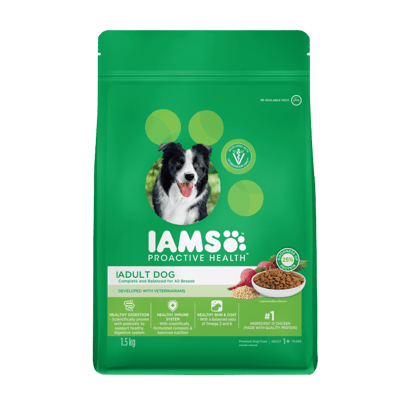
Dogs can become bored with repetitive meal offerings, leading to a lack of interest in eating. Adding variety to their diet, such as incorporating canned food, meal toppers, or rotating different protein sources, can enhance meal appeal and stimulate their appetite. At IAMS, we offer a variety of dog food in different flavours that are not only yummy but also nutritious. With our Proactive Health dog food range, you can hit two birds with a stone – cater to the discerning taste of a finicky eater and meet its dietary needs.
Sharing human food with dogs can lead to overfeeding and disrupt their regular meal schedules, as they may fill up on extra calories and lose their appetite for their designated meals. Establishing clear boundaries and avoiding feeding table scraps can regulate their calorie intake and prevent unnecessary weight gain. Providing appropriate portion sizes based on their size and dietary requirements, along with a well-balanced diet, can help maintain their ideal weight and prevent any gastrointestinal discomfort caused by excessive or inappropriate human food consumption.
Dogs thrive on consistency and routine, and irregular meal schedules can disrupt their eating patterns and cause confusion. Establishing a fixed feeding schedule and offering meals at the same time each day, along with a designated feeding area, can reinforce a structured feeding routine that they can anticipate and rely on. Setting a specific time limit for meal consumption and removing any uneaten food after that period can prevent overeating and encourage them to finish their meals within the allocated time, promoting healthy and balanced eating habits.
Persistent appetite loss, despite various interventions, may indicate complex health concerns that require professional veterinary attention and diagnostic testing. Consulting a veterinarian for a complete assessment and tailored treatment plans is essential for identifying any underlying health issues affecting their appetite. Diagnostic procedures such as blood tests, imaging scans, or dietary trials may be recommended to pinpoint any physiological or medical factors contributing to their decreased appetite. With proper medical intervention and management, underlying health issues can be addressed effectively, ensuring their overall well-being, and restoring their normal eating patterns.
Keeping a close eye on your dog's eating habits is crucial for maintaining its overall health and well-being. Any significant changes in its appetite, such as sudden or prolonged refusal to eat, should not be overlooked, as it can indicate underlying health issues or emotional distress. Regular monitoring of its eating patterns, along with prompt veterinary consultation in case of continued appetite loss, can help identify and address any potential concerns early on. Maintaining a balanced diet, providing a stress-free environment, and ensuring a consistent feeding routine can contribute to their overall nutritional health and promote a positive relationship with food.
If your dog is a picky eater, navigating through its diet can be a challenge because of the various reasons associated with it. Understanding the possible causes can help you tailor your approach to encourage them to eat more consistently. It's essential to consider factors such as changes in their environment, health concerns, dietary preferences, or even behavioural issues that may be influencing their eating habits. Experimenting with different food textures and flavours, maintaining a stable feeding routine, and minimising stress during mealtime can help address a dog’s picky eating. Seeking guidance from a veterinarian or animal behaviourist can provide valuable insights and strategies to manage their selective eating habits effectively.
Understanding the intricacies of a dog's eating habits is vital for its overall well-being and health. Regular monitoring of its appetite, maintaining a balanced diet, and creating a stress-free feeding environment can contribute significantly to their nutritional health. Additionally, addressing any sudden changes in their eating behaviour promptly and seeking veterinary guidance when necessary is crucial for identifying underlying health issues or emotional distress. With a tailored approach that considers various factors influencing a dog’s eating habits, pet parents can effectively manage picky eating behaviours and ensure their beloved companions receive the necessary care and attention to maintain a healthy and fulfilling lifestyle.
Some dogs can be selective about their food, influenced by factors such as taste preferences or health issues, making it relatively normal for certain dogs to be picky eaters.
When your dog won’t eat, try changing their food, creating a calm eating environment, or consulting a vet to rule out any health concerns and determine the best course of action.
Persistent refusal to eat, accompanied by other symptoms like lethargy or weight loss, warrants concern. If your dog won’t eat within 24 hours or if any unusual symptoms arise, consult a veterinarian promptly.
Taking care of your new puppy can be overwhelming, but with these tips and lots of love, you’ll be a great puppy parent in no time.
Just like a baby, a puppy's body is fragile. Avoid picking up your puppy unless absolutely necessary. If you must, be careful and use these steps:
Step 1: Place one hand under your puppy's rump, and place your other hand under his chest.
Step 2: Lift with both arms. With a small adult dog, use the puppy technique. For larger dogs, wrap both arms around his legs, draw him to your chest, and lift.
Before you bring your puppy home, be sure you have the following supplies:
Keeping your puppy safe in your yard requires good fencing. There are several options to choose from, and the one you should pick will depend on your puppy's personality, your property, and your budget. Here are some of the options you should consider:
The ideal time to bring home a new puppy is when the house is quiet. Discourage friends from stopping by and don't allow overnight guests. First, establish a daily routine and follow these steps:
Step 1: Before bringing him in the house, take him to the designated potty area in your yard and spend a few minutes there. If he goes, praise him. Be sure to take him to this spot each time he potties.
Step 2: Take him to the room with his crate. This restricted area will serve as his new 'den' for several days. Put bedding and chew toys in the crate, leave the door open, and line the area outside of the crate with newspaper in case of an accident. Let him investigate the crate and the room. If he chews or urinates on his bedding, permanently remove it from the crate.
Step 3: Observe and interact with your puppy while he's getting used to his new den. This will help forge a sense of 'pack' and establish you as the pack leader.
Don't treat a puppy as young as 6 to 12 weeks like an adult dog. Treat him the same way you would an infant, with patience, constant supervision, and a gentle touch. The way you interact with your puppy at this age is critical to his socialization. Use these tips:
Ideally, your kids should help you choose your puppy. When you bring him home, don't let them play with him constantly. Puppies need a lot of rest, just like a growing child. Limit puppy-children play sessions to 15- to 30-minute periods, two to three times a day.
Meeting Resident Pets