Enter a keyword below to search for articles and products.


Since we cannot directly communicate with our dogs, there are certain behaviours and actions that immediately concern us. One of these behaviours is a dog shaking. No, not the fun way they shake off water starting from their nose all the way to the end of their tail. We’re talking about that full-body trembling you’ve likely seen your pooch do from time to time. Why do they do it? And is it something you should be worried about?
A majority of dog owners in an IAMS™ survey* (64%) think the reason behind a dog shivering is that they are cold. Other top responses were because the dogs are scared (57%) or anxious (54%). High-fives all around because it turns out there are a number of reasons why dogs shake, and all those are possible correct answers. Here are some probable reasons behind a dog trembling:
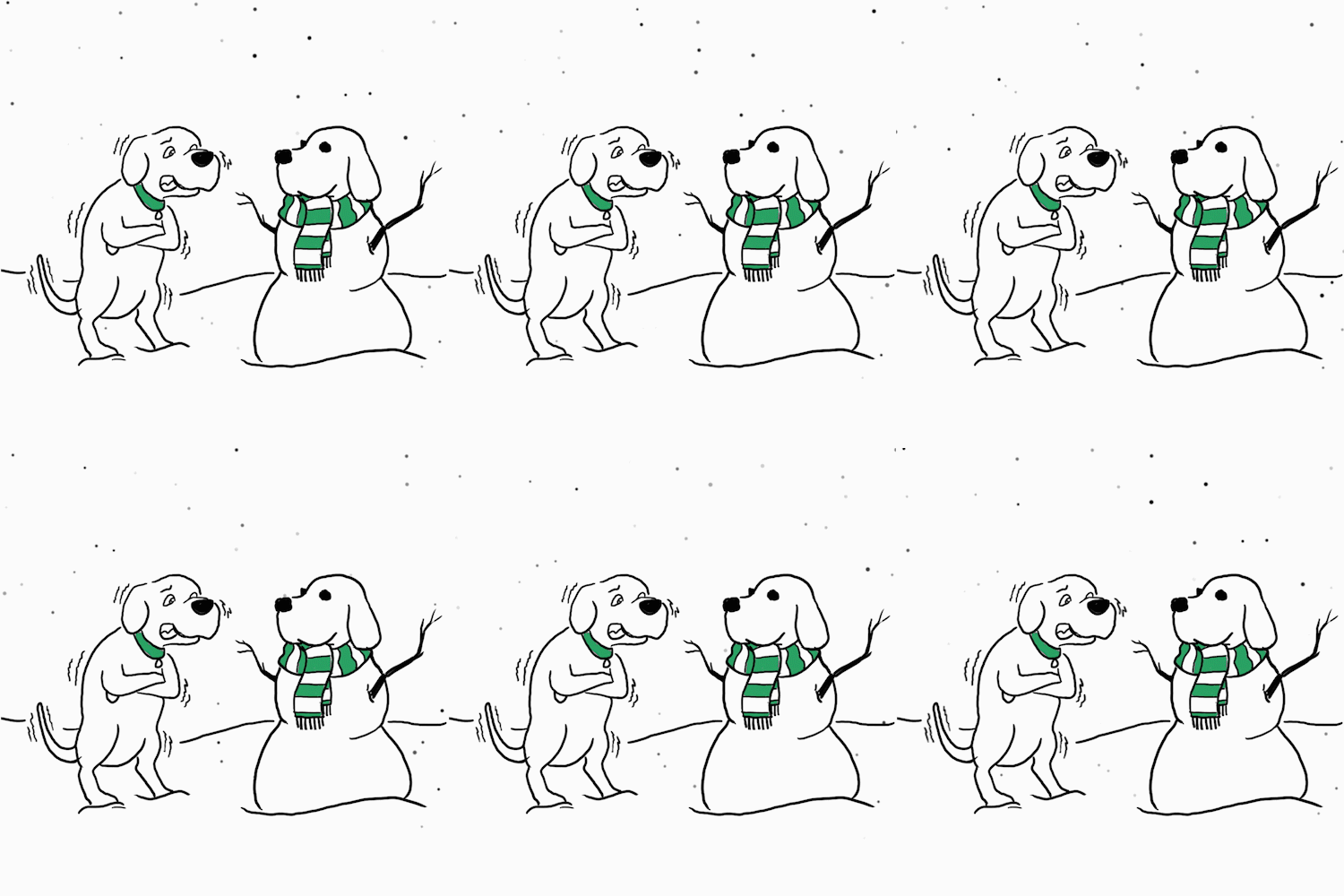
Just like their owners, dogs will often shiver when cold. Dr. Tammie King, Applied Behaviour Technical Leader at Waltham Petcare Science Institute, says: “Dogs shiver in response to falling temperatures. Dogs with short or no hair are especially susceptible. You should get them warm, put coats on them or bring them inside.”
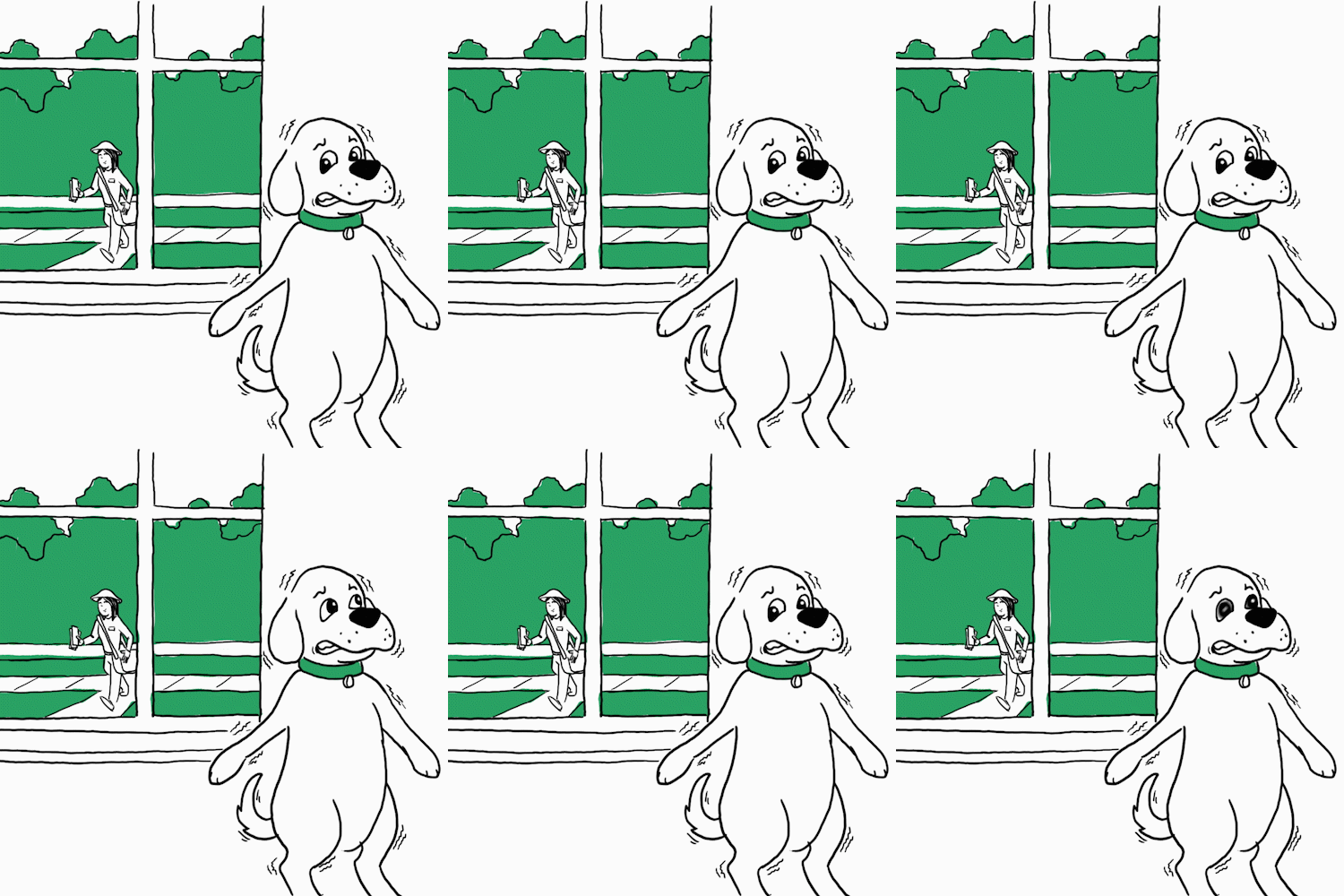
“Shaking is a response to epinephrine or adrenaline secretion — a sign of anxiety where the dog is on high alert,” says James Serpell, B.S., Ph.D., Professor of Humane Ethics & Animal Welfare at the University of Pennsylvania School of Veterinary Medicine. You may notice this when you’re at the vet or there’s a situation where they feel threatened. Dr. Serpell also offers a way to help in some cases: “Identify what’s triggering the behaviour. Provide them comfort. Going forward, you can gradually desensitise your pet to the thing it’s afraid of.”
This is probably the most comforting answer to every dog owner’s concern. Apart from being a response to anxiety or stress, a dog’s trembling can also be a result of excitement. This trembling or shaking is not a matter of concern and will stop once the animal calms down.
Trembling can also be a sign of serious issues like injury, poisoning, or kidney disease. Dr. Jo Gale, BVetMed CertLAS MRCVS, Senior Manager, Global Science Advocacy at Waltham Petcare Science Institute urges pet owners to be vigilant: “If a pet is unwell in another way, they could be trembling.” If their shaking is accompanied by symptoms like diarrhoea, limping, or vomiting, you should consult your vet straight away.
Shaker syndrome has been observed in white dogs of smaller-sized breeds. It causes shivering in a dog’s entire body. The precise cause of this syndrome is not yet known; however, your vet will be able to prescribe medications upon close examination.
Old age is also a pretty common cause of shaking and shivering in dogs. This is because age reduces tolerance to even a slight amount of cold. Besides that, shaking can also be a result of other old-age-related issues like joint pains or weakening of limbs.
As mentioned earlier, you should immediately consult a vet if, along with shaking, your dog is also experiencing vomiting, limping, or diarrhoea. Even though shaking is a common symptom of old age-related issues, you must take your dog to the vet. If they are suffering from joint pain, early treatment is necessary. It is also advisable to visit a vet if your dog’s shaking or shivering hasn’t stopped even after a few minutes.
Additionally, if you ever notice violent shaking in your dog, it might actually be a seizure. In such a case, rush to an emergency room as quickly as possible.
Your dog may be shivering due to the cold or because they are stressed out. If you are unable to identify the exact cause of dog trembling or shivering, do reach out to a vet immediately.
Firstly, identify the potential cause for your dog to shake or tremble. If your dog is shaking out of excitement, anxiety, or stress, it is not a matter of concern, and you can simply try to calm the pet down. If the animal is shaking due to cold, wrap it in blankets and layers until the dog’s shaking stops. However, if neither of these is the cause, look for other symptoms of illness or injury. The shaking might be due to either of those, and your dog may need immediate medical help.
If your dog is shivering due to cold, wrap them in blankets until they feel warm. If they are feeling anxious, you can take them to a place where they feel safe. You can also talk to them in a comforting tone until they feel calm.
A dog’s shaking or shivering is not always a matter of concern. For instance, if it is caused by anxiety, stress, or excitement, the shaking will stop in a few minutes, or as soon as your dog calms down. Also, if it is caused due to cold, it will stop once your dog feels warm again. However, if it is caused due to an injury, or is accompanied by symptoms like vomiting and diarrhoea, it is a matter of concern and needs immediate attention from a vet. You may also need to consult a vet if your dog is a senior suffering from shaking or trembling.
Tremors in a dog are involuntary and rhythmic muscle movements which may occur in the entire body or in parts of the body. These movements may either be fast or slow.
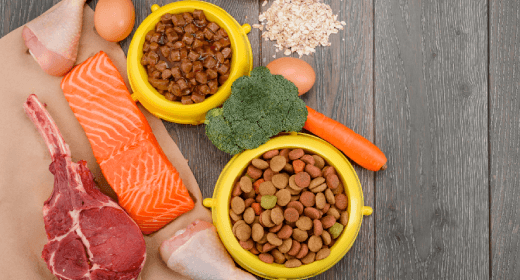
Good nutrition is key to a long and healthy life for all living beings. That being said, cats need a balanced diet to be able to grow, maintain their body, stay active, and fight any illnesses or recover from them. As a pet parent, you must be aware of the right ingredients to include in your cat’s diet.
Cats are carnivores and they need nutrients that are found only in animal products. Cats were originally hunters and would feed on their prey to derive high amounts of protein, moderate amounts of fats, and some carbohydrates to maintain a nutritional diet. Today, most cats that are domesticated do not need to hunt but still require their food to contain the right proportions of nutrients to be able to live a healthy life. Apart from that, cats also need nutrients such as minerals, vitamins, fatty acids, and amino acids.
The best diet for cats will contain all the essential nutrients in the right proportions. A variety of ingredients can help you provide the right energy sources for your cat. For example, a nutrient like calcium can be derived from ingredients like dairy products, organ tissues, bones, bone meals, meat, legume plants, and through mineral supplements. Devising a cat diet plan is all about making sure your kitty gets the right amount of proteins, fats, carbohydrates, vitamins, minerals, and water. Keep reading to learn more about how different nutrients play a part in your cat’s well-being.
As carnivores, cats need to eat a lot more protein as compared to many other animals. Protein is also the primary source of energy in cats as it helps them maintain skin, hair, muscle, fur, tendons, ligaments, cartilage, enzymes, antibodies, hormones, and more. Cats use protein for energy and for maintaining their blood glucose levels. Its liver enzymes are continuously breaking down proteins to do so. If cats do not consume enough protein, their bodies will start breaking down their own muscles to fulfil their energy requirements.
The two main sources of protein used in cat food are plant protein and animal protein. If you are a vegetarian and a vegetarian diet appeals to you for your cat, keep in mind that this may not be the best decision for your feline’s well-being because it will not be able to meet its nutritional requirements through plant protein sources alone. Certain nutrients are only present in animal protein such as taurine, methionine, and cystine.
Animal protein in cat food is derived from chicken, turkey, lamb, beef, and fish. Different meat meals and meat by-products are also available in the market today. While many pet parents may think that these meals are not a good option, they actually act as a great source of concentrated protein.
The right amount of protein for cats depends on their age. Adult cats need a high percentage of protein as compared to dogs, humans, or many other animals. While the exact proportions may vary, adult cats need around 26% protein in their meals. Protein requirements for kittens may change according to their medical history and age. It is best to consult a veterinarian to make sure your kitten receives the right nutrition.
Vitamins are essential for your cat’s metabolic function and therefore must be included in small amounts in its diet. Many enzymes that help maintain normal feline metabolism cannot function without vitamins.
Several cat food ingredients such as fruits, vegetables, animal tissues, vegetable oils, grains, and seeds contain vitamins. It is very difficult to nail down the right amount of vitamins that your cat needs through just different foods. For this reason, vitamin supplements should be included in your cat’s diet.
If your cat is healthy and is eating a balanced and nutritious meal, additional vitamin supplements may not be necessary. In some cases, vitamin supplements can also be dangerous if your cat is already healthy and does not require them. It is best to consult a veterinarian and be sure of your cat’s health and its requirements.
Your cat’s body needs inorganic compounds, also known as minerals, to function properly. Many minerals that your cat needs are derived from animals and plant-based ingredients. However, for your cat’s food to be completely balanced, food manufacturers always add mineral protein to their food formulas.
There are a lot of minerals that should be present in your cat’s diet such as calcium, phosphorus, potassium, magnesium, iron, sodium, chloride, copper, zinc, manganese, iodine, and selenium. These minerals help cats maintain nerve, muscle, and heart function. They also aid in enzyme function, supplying oxygen throughout the body, skeletal growth, and much more. Your cat’s food formula will always contain some minerals. If you want to be sure about your kitten getting the right nutrition, take it to the vet and let them decide the perfect cat diet plan for your furry friend.
Crude fat is estimated by extracting fats that are present using ether and the crude fat level of every cat food formula will be listed in the guaranteed analysis section on the packaging label.
Including fats in your cat's diet is extremely important. While proteins are an important energy source for cats, fat is the most energy-rich nutrient in your cat's diet. They act as transport molecules that help carry out nerve impulses. Essential fat sources such as omega-3 fatty acids and omega-6 fatty acids help maintain your cat's skin, coat, and fur health.
Fats and other essential fatty acids are found in food formulas that contain liver, chicken, beef, turkey, and fish. At times, manufacturers add extra fat to their formula. You can ascertain the same by checking the fat sources on the ingredient list label. Fish oil, beef fat, and soybean oil are examples of added fat.
Keeping cat food weight management is extremely important when it comes to fats. Cats need to maintain a certain body type to stay active. Hence, a diet with high levels of fats is not recommended. Your feline friend should not be consuming more fat than it requires on a daily basis. Doing so will lead to your cat putting on weight and inviting health troubles. Talk to your veterinarian to know the ideal fat content for your cat’s diet.
Many animals need carbohydrates to obtain energy. However, since cats derive most of their energy from proteins and fats, carbohydrates are not that important in their diet. No, this does not mean that you can completely stop including carbs in your cat’s diet. Small amounts of carbohydrates are ideal for your cat to derive some energy. A diet that contains high levels of carbs is not recommended for cats at all since it may aid in putting on weight and will attract serious diseases such as diabetes.
Your cat’s diet should not include more than 10% of carbohydrates. Dry diets may have high amounts of carbohydrates. The only way to ensure that your cat is not eating too much carbs is by including wet food in its diet.
The best diet for cats includes the right balance of all nutrients. A perfect balance of proteins, fats, carbohydrates, vitamins, minerals, and water will help your cat to grow healthy and maintain its ideal body weight. If you are concerned about your cat’s diet and need more insights on what to feed your cat in what proportions, simply reach out to your local veterinarian.