IAMS SG
Why Is My Dog Shaking?

adp_description_block12
What To Do When My Dog Is Shaking?

  • Share

Since we cannot directly communicate with our dogs, there are certain behaviours and actions that immediately concern us. One of these behaviours is a dog shaking. No, not the fun way they shake off water starting from their nose all the way to the end of their tail. We’re talking about that full-body trembling you’ve likely seen your pooch do from time to time. Why do they do it? And is it something you should be worried about?

Why is my dog shaking?

A majority of dog owners in an IAMS™ survey* (64%) think the reason behind a dog shivering is that they are cold. Other top responses were because the dogs are scared (57%) or anxious (54%). High-fives all around because it turns out there are a number of reasons why dogs shake, and all those are possible correct answers. Here are some probable reasons behind a dog trembling:

  • They're chilly

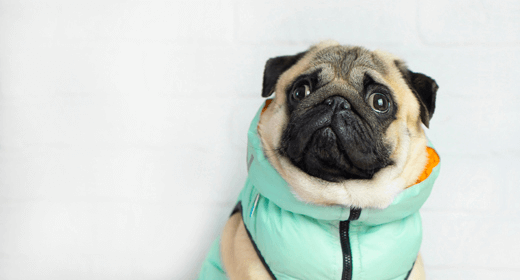
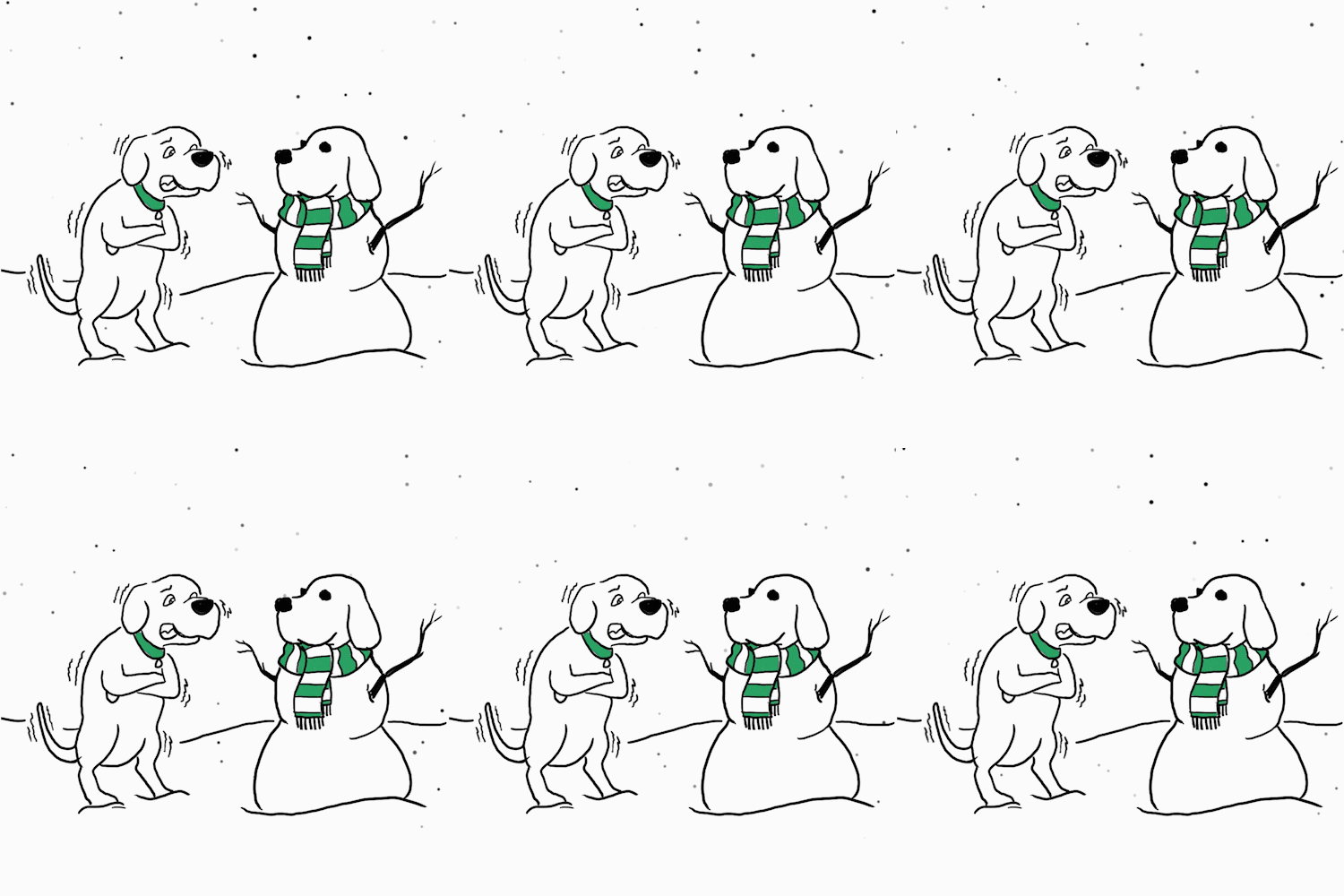
Just like their owners, dogs will often shiver when cold. Dr. Tammie King, Applied Behaviour Technical Leader at Waltham Petcare Science Institute, says: “Dogs shiver in response to falling temperatures. Dogs with short or no hair are especially susceptible. You should get them warm, put coats on them or bring them inside.”
shake fr dogs

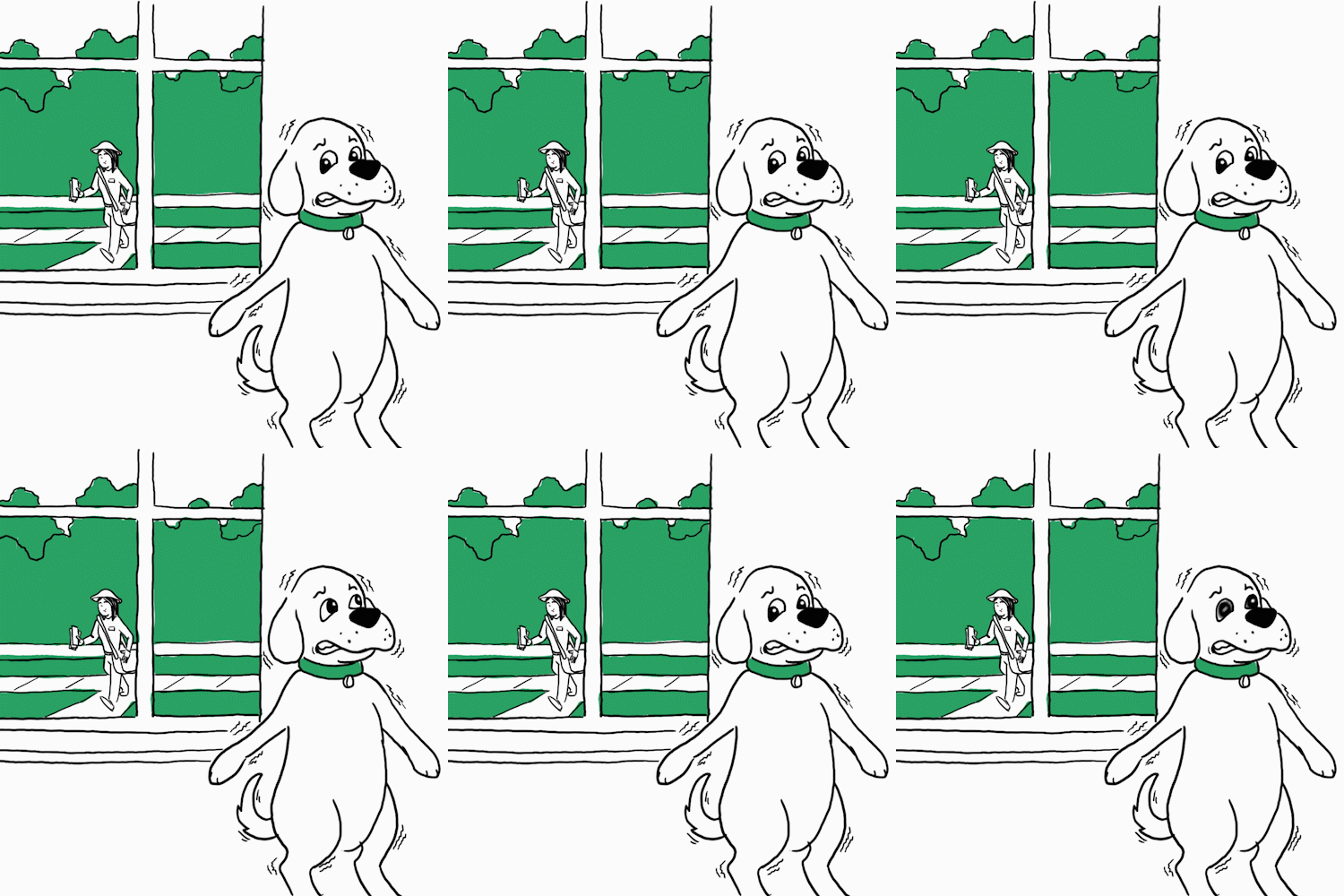
  • They're anxious or scared

“Shaking is a response to epinephrine or adrenaline secretion — a sign of anxiety where the dog is on high alert,” says James Serpell, B.S., Ph.D., Professor of Humane Ethics & Animal Welfare at the University of Pennsylvania School of Veterinary Medicine. You may notice this when you’re at the vet or there’s a situation where they feel threatened. Dr. Serpell also offers a way to help in some cases: “Identify what’s triggering the behaviour. Provide them comfort. Going forward, you can gradually desensitise your pet to the thing it’s afraid of.”
shake fr dogs

  • They’re excited

This is probably the most comforting answer to every dog owner’s concern. Apart from being a response to anxiety or stress, a dog’s trembling can also be a result of excitement. This trembling or shaking is not a matter of concern and will stop once the animal calms down.


  • They're not feeling well

Trembling can also be a sign of serious issues like injury, poisoning, or kidney disease. Dr. Jo Gale, BVetMed CertLAS MRCVS, Senior Manager, Global Science Advocacy at Waltham Petcare Science Institute urges pet owners to be vigilant: “If a pet is unwell in another way, they could be trembling.” If their shaking is accompanied by symptoms like diarrhoea, limping, or vomiting, you should consult your vet straight away.

  • They’re suffering from Shaker syndrome

Shaker syndrome has been observed in white dogs of smaller-sized breeds. It causes shivering in a dog’s entire body. The precise cause of this syndrome is not yet known; however, your vet will be able to prescribe medications upon close examination.


  • They’re getting old

Old age is also a pretty common cause of shaking and shivering in dogs. This is because age reduces tolerance to even a slight amount of cold. Besides that, shaking can also be a result of other old-age-related issues like joint pains or weakening of limbs.


When to see a vet for dog shivering or shaking?

As mentioned earlier, you should immediately consult a vet if, along with shaking, your dog is also experiencing vomiting, limping, or diarrhoea. Even though shaking is a common symptom of old age-related issues, you must take your dog to the vet. If they are suffering from joint pain, early treatment is necessary. It is also advisable to visit a vet if your dog’s shaking or shivering hasn’t stopped even after a few minutes. 

Additionally, if you ever notice violent shaking in your dog, it might actually be a seizure. In such a case, rush to an emergency room as quickly as possible.


FAQs on Why is My Dog Shaking

  1. Why is my dog shivering?
  2. Your dog may be shivering due to the cold or because they are stressed out. If you are unable to identify the exact cause of dog trembling or shivering, do reach out to a vet immediately.

  3. What should I do if my dog is shaking?
  4. Firstly, identify the potential cause for your dog to shake or tremble. If your dog is shaking out of excitement, anxiety, or stress, it is not a matter of concern, and you can simply try to calm the pet down. If the animal is shaking due to cold, wrap it in blankets and layers until the dog’s shaking stops. However, if neither of these is the cause, look for other symptoms of illness or injury. The shaking might be due to either of those, and your dog may need immediate medical help.

  5. How do you comfort a shivering dog?
  6. If your dog is shivering due to cold, wrap them in blankets until they feel warm. If they are feeling anxious, you can take them to a place where they feel safe. You can also talk to them in a comforting tone until they feel calm.

  7. Should I be worried if my dog is shaking?
  8. A dog’s shaking or shivering is not always a matter of concern. For instance, if it is caused by anxiety, stress, or excitement, the shaking will stop in a few minutes, or as soon as your dog calms down. Also, if it is caused due to cold, it will stop once your dog feels warm again. However, if it is caused due to an injury, or is accompanied by symptoms like vomiting and diarrhoea, it is a matter of concern and needs immediate attention from a vet. You may also need to consult a vet if your dog is a senior suffering from shaking or trembling.

  9. What does it look like when a dog has tremors?  
  10. Tremors in a dog are involuntary and rhythmic muscle movements which may occur in the entire body or in parts of the body. These movements may either be fast or slow.

  • Is Your Dog Panting a Lot? Understanding When It's Normal and When to Worry
    Is Your Dog Panting a Lot? Understanding When It's Normal and When to Worry

    adp_description_block307
    Is Your Dog Panting a Lot? Understanding When It's Normal and When to Worry

    • Share

    We all adore the sight of our furry friends panting, tongues lolling out in playful exhaustion after a spirited game of fetch or on a warm, sunny afternoon. But have you ever stopped to wonder about the deeper meaning behind this seemingly simple act? What does it tell us about our dog's health and well-being?
     

    While we may find dog panting endearing, it serves a far more crucial purpose than just a cute quirk. Panting is an essential element of canine physiology, playing a vital role in regulating body temperature and communicating emotional states. Knowing the different types of dog panting and their underlying causes can be crucial in providing the best care for our beloved companions.
     

    Understanding your dog's panting

    Dogs pant to regulate their body temperature, a mechanism similar to how humans sweat. While some panting is normal, excessive or unusual panting can be a sign of an underlying health issue.
     

    Normal panting:

    • Frequency: At rest, a healthy dog typically takes about 15 to 35 breaths per minute.
    • Intensity: The panting should be shallow and quiet, with minimal tongue lolling.
    • Context: Panting is expected after exercise, play, excitement, or in hot weather.
    • Duration: Once the cause of the panting is addressed (e.g., they cool down or calm down), the panting should subside.

    Concerning panting:

    • Excessive: If your dog is breathing fast i.e., 40 breaths per minute at rest or even when slightly active, it's a red flag.
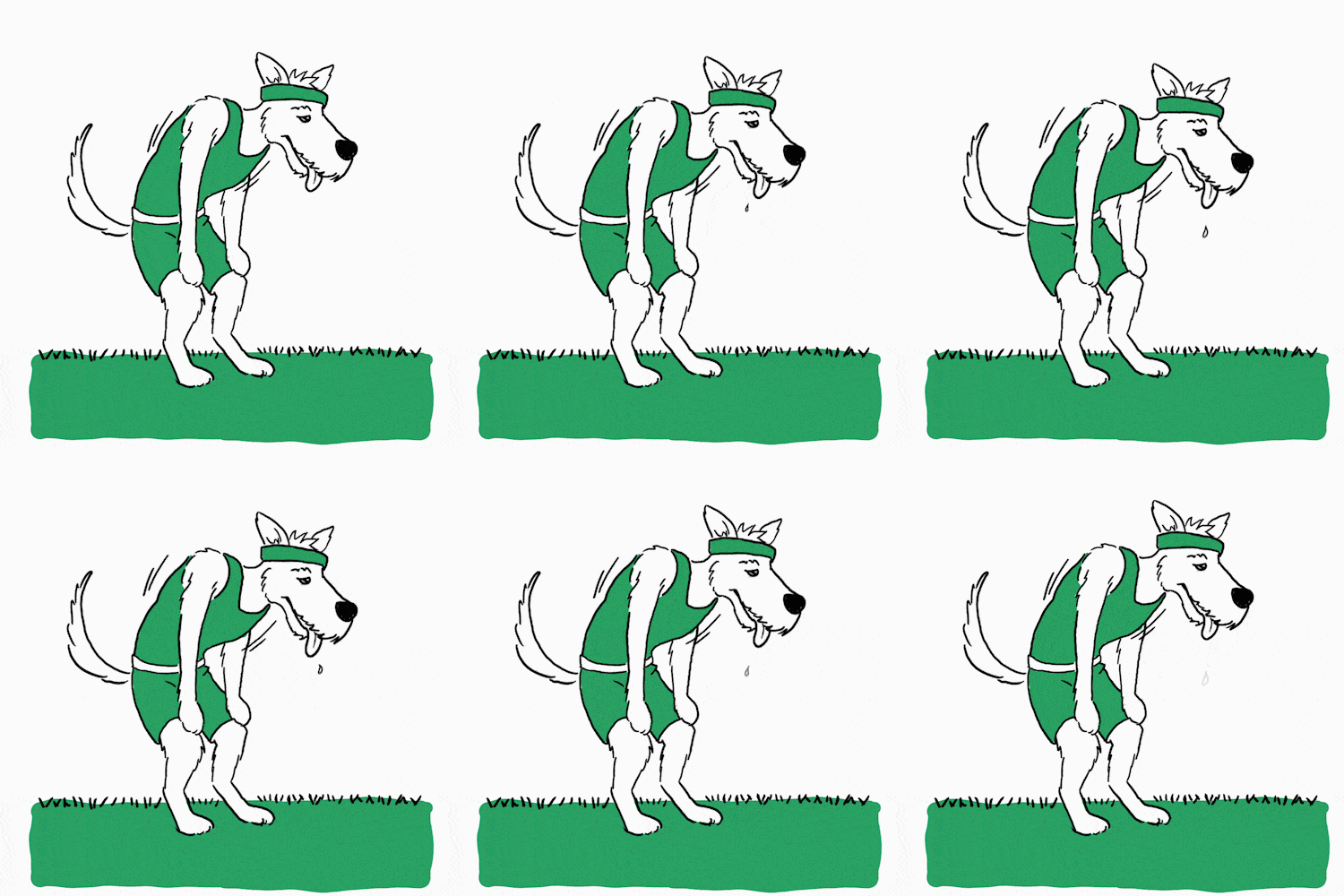
    • Heavy: When the dog is breathing heavy, the panting is deep and laboured, with pronounced tongue lolling and drooling.
    • Unusual: Panting occurs in situations where it doesn't usually happen, such as when your dog is relaxed in a cool environment.
    • Persistent: The panting doesn't subside despite addressing the possible causes, or it's accompanied by other symptoms like lethargy, vomiting, or loss of appetite.

    Causes of dog panting

    Understanding why your dog pants is crucial for their health and well-being. While we've previously discussed how panting is their primary cooling mechanism, there's more to the story than just regulating body temperature.
     

    Physical reasons for panting

    • Heat regulation: As mentioned, panting helps dogs cool down after exercise, play, or during hot weather. By evaporating moisture from their tongue and respiratory tract, they bring their internal temperature back to a comfortable level.
    • Pain or discomfort: Excessive panting can be a sign of pain or discomfort due to an injury, illness, or other medical condition. Pain elevates heart rate and body temperature, triggering the panting reflex.
    • Respiratory issues: Allergies, asthma, kennel cough, and other respiratory conditions can make it difficult for your dog to breathe, leading to increased panting as they strive for more oxygen.

    Emotional reasons for panting:

    • Excitement: When your dog is excited, their heart rate and breathing increase naturally. This manifests as panting, especially during playtime, greetings, or anticipation of a favourite activity.
    • Stress or anxiety: Dogs experience stress and anxiety in various situations, leading to panting as a coping mechanism. Be aware of other behavioural changes like pacing, drooling, or tail tucking.
    • Fear or phobias: Loud noises, thunderstorms, and unfamiliar environments can trigger fear or phobias, leading to excessive panting, trembling, and attempts to hide.

    What should you do when your dog is breathing heavy?

    Seeing your beloved furry friend struggling to breathe can be a harrowing experience. But before jumping to conclusions, it's important to stay calm and assess the situation. Here's what you can do when your dog is panting heavily:
     

    Analyse the environment:

    • Recent activities: Have they been engaging in strenuous activity like playing fetch, running, or intense exercise?
    • Temperature and climate: Is it a hot day? Are they exposed to direct sunlight?
    • Stressful environment: Are there loud noises, unfamiliar people, or other factors that might be causing anxiety?

    If any of these factors are present, the panting is likely a normal physiological response to regulate their body temperature or manage stress. In this case, simply provide your dog with a cool, quiet space, offer fresh water, and allow them to rest.
     

    Observe your dog's behaviour:

    • Intensity: Is the panting shallow and quiet, or is it deep and laboured?
    • Frequency: How many breaths are they taking per minute?
    • Tongue lolling: Are they lolling their tongue excessively and drooling?
    • Additional symptoms: Are there any other concerning signs like lethargy, vomiting, or loss of appetite?

    Pay close attention to any deviations from their normal breathing patterns. Excessive panting in dogs, especially at rest or in a cool environment, may indicate an underlying medical condition and warrants further investigation.
     

    Provide comfort and hydration:

    • Cool down: Move your dog to a cooler area with shade and good air circulation.
    • Fresh water: Ensure they have access to clean, fresh water at all times.
    • Calm environment: Create a quiet and comfortable space where they can relax without distractions.

    These initial steps can help alleviate panting caused by heat or stress.
     

    When to see a vet for your dog's panting?

    While dogs naturally pant for various reasons, like regulating their body temperature or expressing excitement, excessive or unusual panting can be a sign of an underlying health issue. Knowing when to seek veterinary attention is crucial to ensure your furry friend's well-being.
     

    Here's when you should be concerned about your dog's panting:

    • Accompanying symptoms: If your dog's panting is accompanied by other concerning symptoms like lethargy, loss of appetite, vomiting, diarrhoea, coughing, pale gums, excessive drooling, weakness, or unusual behaviour, prompt veterinary attention is essential.
    • Excessive panting: If your dog's panting is deep, laboured, and accompanied by exaggerated tongue lolling, it could indicate a serious medical condition. Don't delay seeking professional help.
    • Continuous panting: Panting that persists even when your dog is at rest, in a cool environment, or after addressing the initial cause (e.g., exercise, heat) requires veterinary evaluation.
    • Unrelenting panting: If the panting doesn't subside within a reasonable timeframe or even worsens despite your efforts to provide comfort and address environmental factors, it's crucial to seek professional advice.

    Panting is a natural and essential part of a dog's physiology, but it's crucial to differentiate between normal panting and signs of distress. By understanding the reasons behind your dog's panting and knowing when to seek help, you can ensure they live a happy, healthy life.

    Why Do Dogs Pant?
    Why Do Dogs Pant?
    Why Do Dogs Pant?
Close modal