IAMS SG
Why Is My Dog Shaking?

adp_description_block171
What To Do When My Dog Is Shaking?

  • Share

Since we cannot directly communicate with our dogs, there are certain behaviours and actions that immediately concern us. One of these behaviours is a dog shaking. No, not the fun way they shake off water starting from their nose all the way to the end of their tail. We’re talking about that full-body trembling you’ve likely seen your pooch do from time to time. Why do they do it? And is it something you should be worried about?

Why is my dog shaking?

A majority of dog owners in an IAMS™ survey* (64%) think the reason behind a dog shivering is that they are cold. Other top responses were because the dogs are scared (57%) or anxious (54%). High-fives all around because it turns out there are a number of reasons why dogs shake, and all those are possible correct answers. Here are some probable reasons behind a dog trembling:

  • They're chilly

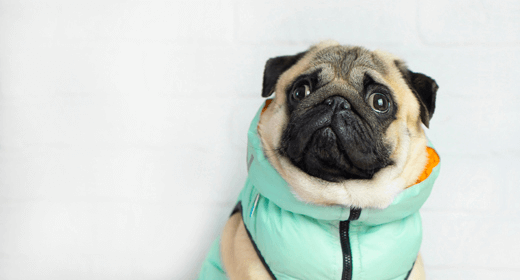
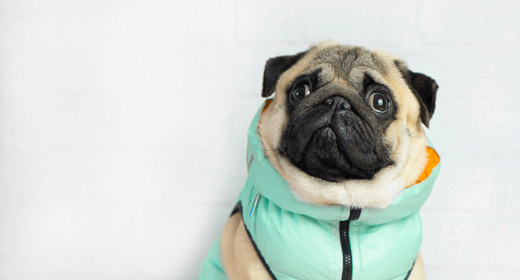
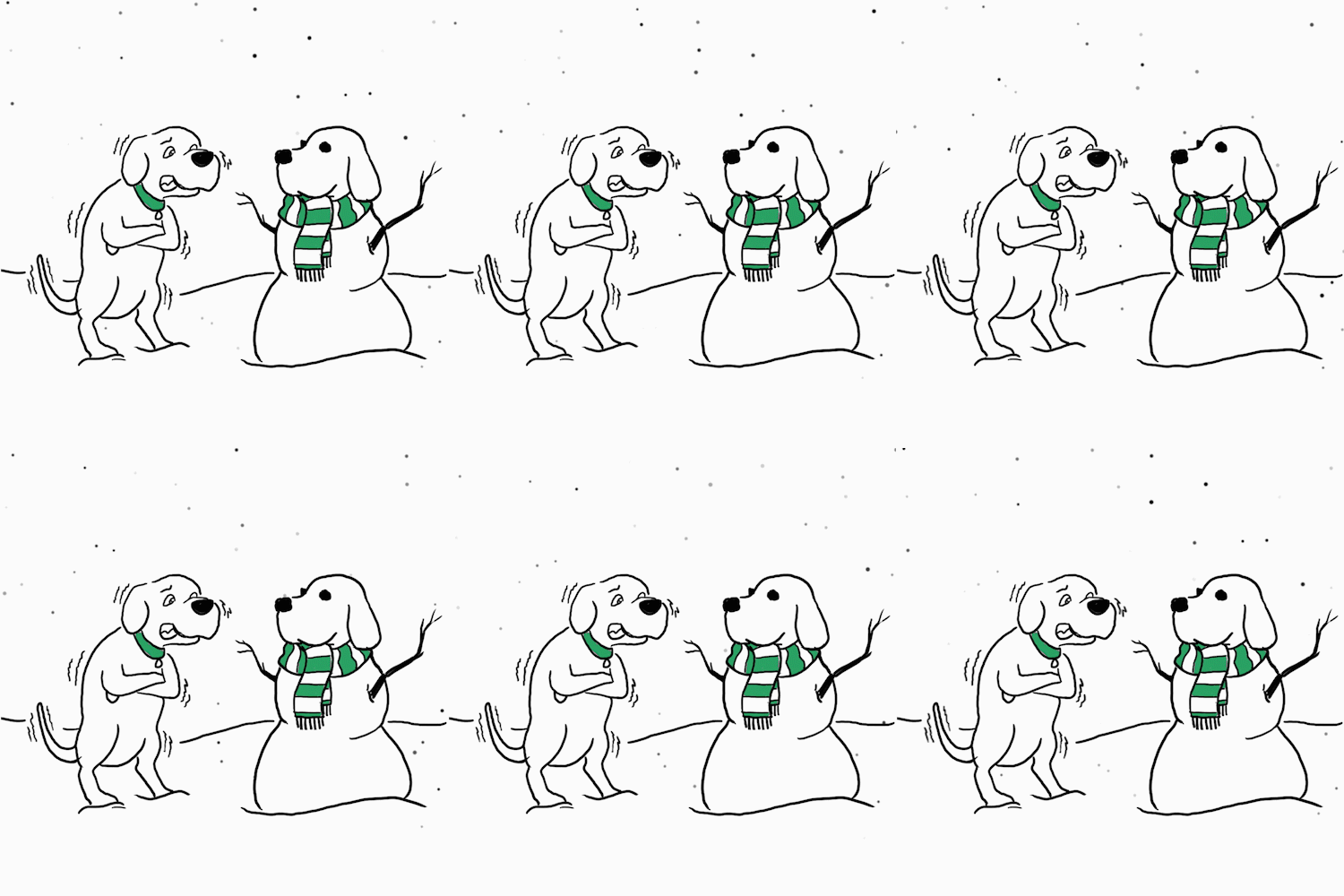
Just like their owners, dogs will often shiver when cold. Dr. Tammie King, Applied Behaviour Technical Leader at Waltham Petcare Science Institute, says: “Dogs shiver in response to falling temperatures. Dogs with short or no hair are especially susceptible. You should get them warm, put coats on them or bring them inside.”
shake fr dogs

  • They're anxious or scared

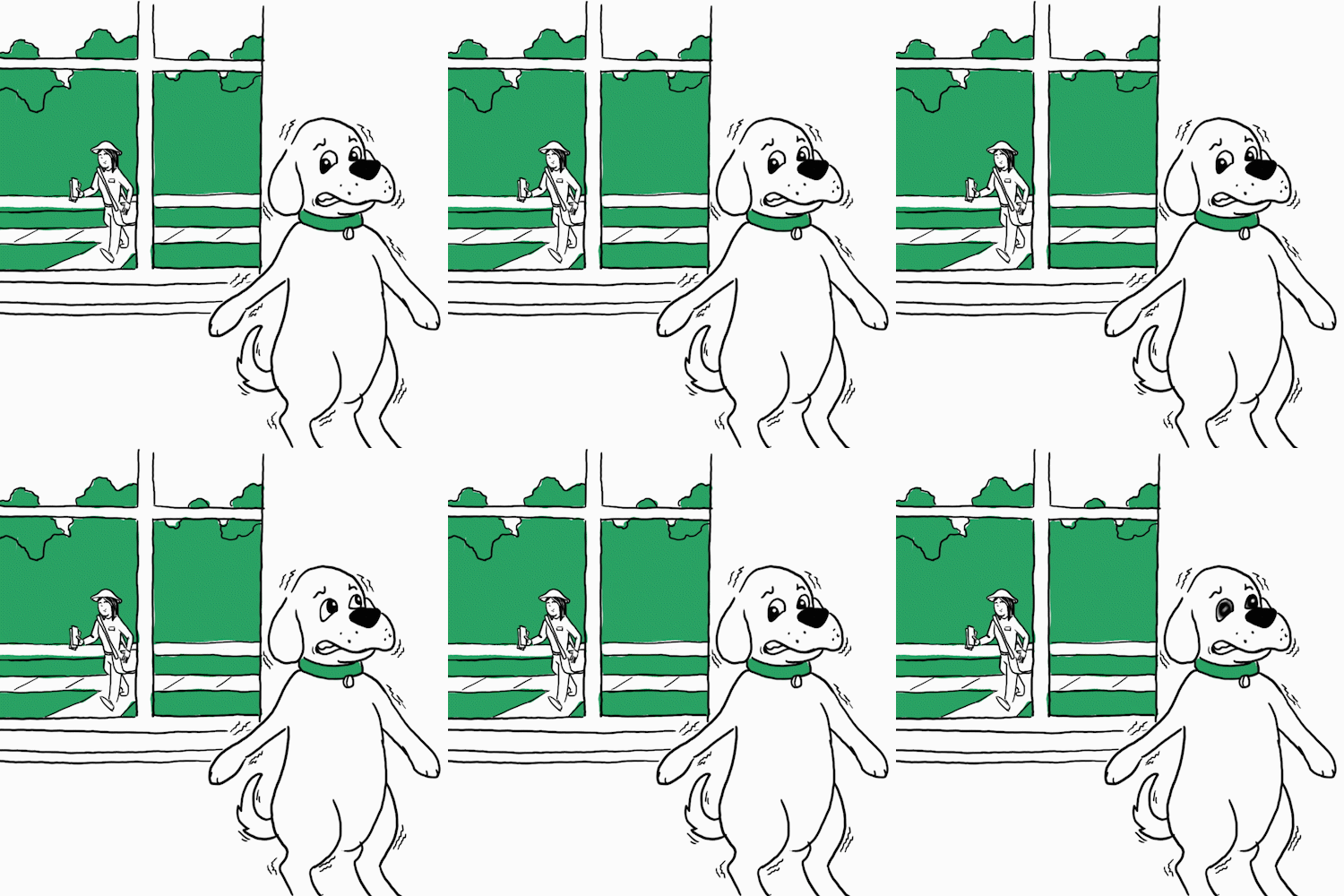
“Shaking is a response to epinephrine or adrenaline secretion — a sign of anxiety where the dog is on high alert,” says James Serpell, B.S., Ph.D., Professor of Humane Ethics & Animal Welfare at the University of Pennsylvania School of Veterinary Medicine. You may notice this when you’re at the vet or there’s a situation where they feel threatened. Dr. Serpell also offers a way to help in some cases: “Identify what’s triggering the behaviour. Provide them comfort. Going forward, you can gradually desensitise your pet to the thing it’s afraid of.”
shake fr dogs

  • They’re excited

This is probably the most comforting answer to every dog owner’s concern. Apart from being a response to anxiety or stress, a dog’s trembling can also be a result of excitement. This trembling or shaking is not a matter of concern and will stop once the animal calms down.


  • They're not feeling well

Trembling can also be a sign of serious issues like injury, poisoning, or kidney disease. Dr. Jo Gale, BVetMed CertLAS MRCVS, Senior Manager, Global Science Advocacy at Waltham Petcare Science Institute urges pet owners to be vigilant: “If a pet is unwell in another way, they could be trembling.” If their shaking is accompanied by symptoms like diarrhoea, limping, or vomiting, you should consult your vet straight away.

  • They’re suffering from Shaker syndrome

Shaker syndrome has been observed in white dogs of smaller-sized breeds. It causes shivering in a dog’s entire body. The precise cause of this syndrome is not yet known; however, your vet will be able to prescribe medications upon close examination.


  • They’re getting old

Old age is also a pretty common cause of shaking and shivering in dogs. This is because age reduces tolerance to even a slight amount of cold. Besides that, shaking can also be a result of other old-age-related issues like joint pains or weakening of limbs.


When to see a vet for dog shivering or shaking?

As mentioned earlier, you should immediately consult a vet if, along with shaking, your dog is also experiencing vomiting, limping, or diarrhoea. Even though shaking is a common symptom of old age-related issues, you must take your dog to the vet. If they are suffering from joint pain, early treatment is necessary. It is also advisable to visit a vet if your dog’s shaking or shivering hasn’t stopped even after a few minutes. 

Additionally, if you ever notice violent shaking in your dog, it might actually be a seizure. In such a case, rush to an emergency room as quickly as possible.


FAQs on Why is My Dog Shaking

  1. Why is my dog shivering?
  2. Your dog may be shivering due to the cold or because they are stressed out. If you are unable to identify the exact cause of dog trembling or shivering, do reach out to a vet immediately.

  3. What should I do if my dog is shaking?
  4. Firstly, identify the potential cause for your dog to shake or tremble. If your dog is shaking out of excitement, anxiety, or stress, it is not a matter of concern, and you can simply try to calm the pet down. If the animal is shaking due to cold, wrap it in blankets and layers until the dog’s shaking stops. However, if neither of these is the cause, look for other symptoms of illness or injury. The shaking might be due to either of those, and your dog may need immediate medical help.

  5. How do you comfort a shivering dog?
  6. If your dog is shivering due to cold, wrap them in blankets until they feel warm. If they are feeling anxious, you can take them to a place where they feel safe. You can also talk to them in a comforting tone until they feel calm.

  7. Should I be worried if my dog is shaking?
  8. A dog’s shaking or shivering is not always a matter of concern. For instance, if it is caused by anxiety, stress, or excitement, the shaking will stop in a few minutes, or as soon as your dog calms down. Also, if it is caused due to cold, it will stop once your dog feels warm again. However, if it is caused due to an injury, or is accompanied by symptoms like vomiting and diarrhoea, it is a matter of concern and needs immediate attention from a vet. You may also need to consult a vet if your dog is a senior suffering from shaking or trembling.

  9. What does it look like when a dog has tremors?  
  10. Tremors in a dog are involuntary and rhythmic muscle movements which may occur in the entire body or in parts of the body. These movements may either be fast or slow.

  • How to Handle Your Adult Dog’s Shedding
    How to Handle Your Adult Dog’s Shedding

    adp_description_block76
    How to Handle Your Adult Dog’s Shedding

    • Share

    If you own a dog, chances are, you deal with the nuisance of shedding fur. Fortunately, there are some easy ways to help keep your dog's shedding to a manageable level.

    If you own a dog, chances are, you deal with the nuisance of shedding fur. Fortunately, there are some easy ways to help keep your dog's shedding to a manageable level.


    Bred to Shed

    The main factor related to how much your dog sheds is which breed you own. Certain breeds, such as Yorkshire Terriers and Poodles, hardly shed at all, and are especially well suited for people who suffer from dander-related allergies. But if one of these hypoallergenic breeds is not your dog of choice, then chances are you deal with some amount of shedding. Here are some practical tips to deal with all of that hair.


    Bad Hair Days

    Many dogs are seasonal shedders. As the temperatures begin to drop, so does the fur. Dogs shed their summer coats in the fall as their winter coats come in. The best way to deal with this is to be prepared. Brush your dog more often and vacuum more frequently. This will keep that extra hair from becoming too unmanageable.


    Dogs also will go through their own version of spring cleaning. When the temperatures begin to rise in the spring, dogs will begin shedding that extra winter hair. Again, preparation is the key. Regular brushing and vacuuming will help you get through these “hairy” times.


    Less Shedding Through Nutrition?

    Between the millions of strands of hair constantly growing, some breeds of dogs grow up to a total of 100 feet of fur per day! But, while your dog might not boast those kinds of hair-growth numbers, constantly replacing fur still places a demand on a dog’s system. Thirty percent of a dog's protein needs go toward hair growth. If a dog is not receiving proper nutrition, the dog's body will put the protein he's receiving toward maintaining muscle mass, leaving the coat to suffer.

    A healthy, shiny coat is not only a sign of proper nutrition, but it also sheds less than an unhealthy coat. Premium dog food like IAMS™ ProActive Health™ provides dogs with the nutrients they need to keep their coat healthy, which means less shedding.


    High Time for Hygiene

    Brushing doesn't have to be a necessary evil. Train your dog to enjoy brushing, offering frequent praise during the process, and maybe even a treat at the end. This is easiest done from the time your dog is a puppy, but older dogs can be taught to enjoy brushing as well. The importance of brushing cannot be overemphasized. Just look at all the hair that ends up in the brush, and realize if it weren’t in the brush, it would be on your couch, floor, and perhaps, bed.

    Be sure you're using the right kind of brush for your dog's coat. Breeds with thick undercoats need a specific type of brush, while longhaired breeds need a comb.

    Last but not least, make sure to give your dog an occasional bath. Aside from the obvious benefit of having a clean, good-smelling pooch, your dog's coat will also benefit. Be warned though: Bathing your dog too frequently washes away the natural oil on his skin and coat, resulting in dry skin and, you guessed it, more shedding.


    A Little Extra Time Goes a Long Way

    Committing the time to maintaining your dog's coat will help keep his shedding under control. Frequent brushing and vacuuming, and feeding your dog a balanced diet such as IAMS ProActive Health Adult MiniChunks will have you worrying less about an overabundance of hair and more time enjoying your furry friend.

Close modal