Enter a keyword below to search for articles and products.
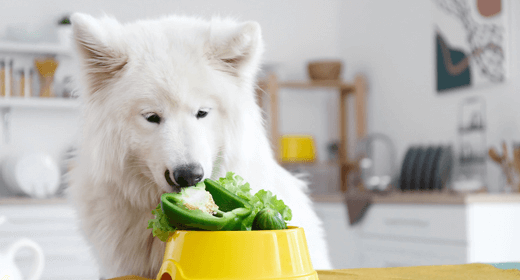
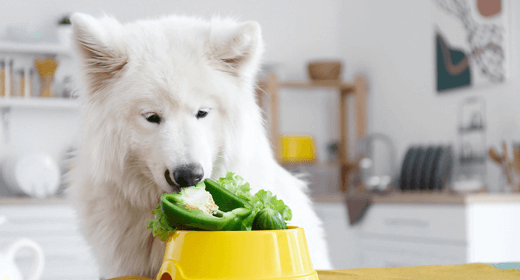
Fiber is important to your dog's health, providing bulk to move food through his intestinal tract. Some types of fiber can be fermented (broken down by bacteria) in the intestinal tract. This process creates short-chain fatty acids (SCFA), which are a key energy source for the cells lining the intestinal tract.
Most people are aware of fiber and its role in their diet. The beneficial effects of higher fiber levels in humans influence the way many people think about their own food—and their pets’ food. As a result, some pet-food manufacturers began to think like human nutritionists and make high-fiber diets for dogs. But high-fiber diets and the shorter digestive tracts of dogs don't always mix well. High fiber levels in dogs can cause digestive problems and interfere with proper nutrient absorption. Unlike humans, dogs are carnivorous, meaning their nutritional needs are better satisfied with meat rather than with plant materials.
For more than 60 years, pet nutritionists at IAMS™ have been studying diets to better meet the special nutritional needs of dogs. IAMS research shows that the optimal crude-fiber level for healthy dogs ranges from 1.4 to 3.5%. At these levels, nutrient digestibility is maximized.
An important characteristic of fiber is its fermentability, or how well it can be broken down by the bacteria that normally reside in the dog's intestine. This breakdown of dietary fiber produces SCFAs that provide energy to the cells lining the intestines. Different types of fiber vary in fermentability.
Fiber sources used in pet foods include cellulose, which is poorly fermentable; beet pulp, which is moderately fermentable; and gums and pectin, which can be highly fermentable.
Research has shown that moderate levels of moderately fermentable fiber, such as beet pulp, provide the benefits of energy for the intestinal lining and bulk without the negative effects of excessive stool or gas.
High levels of poorly fermentable fiber are used in some weight-reduction pet foods to dilute the calories in a serving. IAMS research found that this is not a good practice because high fiber levels can decrease the digestibility of other nutrients in the food and, therefore, can reduce the nutritional quality of the diet. You might also see more poop piles in the yard because of the indigestible fiber.
The key thing to remember about dietary fiber is that your dog's needs are not the same as yours. A moderate level of moderately fermentable fiber, such as beet pulp, provides proven nutritional benefits for dogs. Diets containing high levels of poorly fermentable fiber to dilute calorie content do not provide these nutritional benefits.
All IAMS products, including IAMS™ ProActive Health™ Adult MiniChunks, are formulated with optimal levels of moderately fermentable fiber to promote a healthy intestinal tract and enhance the well-being of your dog.
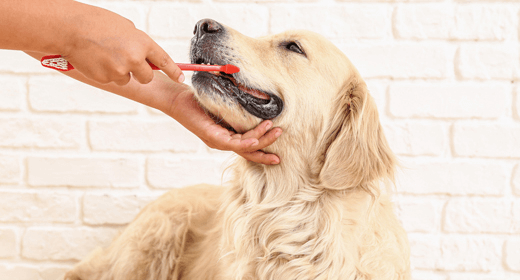
Oral care is a key component of your pet’s overall health: A smart regimen can help prevent the development of serious conditions. Keeping your pet’s teeth clean and bacteria-free results in more than just healthy teeth and fresh breath. With a little know-how and effort, you can protect your pet for a lifetime of companionship.
Tartar and gingivitis are the most common problems seen by veterinarians. The majority of dogs will develop these problems. Unchecked, these can lead to periodontitis and serious health concerns for your pet, up to and including, tooth loss and serious illness. But you can take action to control this and promote good oral health by incorporating the 3Ds: Daily Brushing, Dentistry. and Diet.
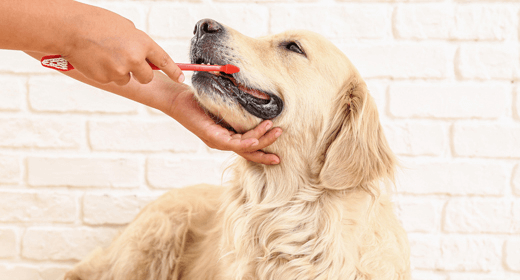
Daily brushing of your pet’s teeth will remove plaque and slow the development of tartar. When first beginning to brush, be gradual and make it a pleasant experience. Start by using your finger. Later, introduce a toothbrush. Be sure to praise and reassure your pet while brushing. Also, reward your pet afterward with play or a walk.
Talk with your veterinarian about annual or semiannual teeth cleaning—a dental prophylaxis or prophy for short. Teeth cleaning, performed by your veterinarian, is the only way to remove tartar.
Diet is important to good oral health. The mechanical, brushing action of dry, crunchy kibbles helps remove plaque and works to scrub teeth clean. Some diets also might include ingredients such as hexametaphosphate (HMP) that can help block tartar formation. Diet, daily brushing, and dentistry helps break the plaque-to- tartar cycle and optimize oral health.