Enter a keyword below to search for articles and products.
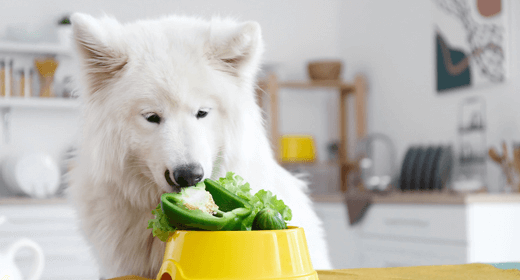
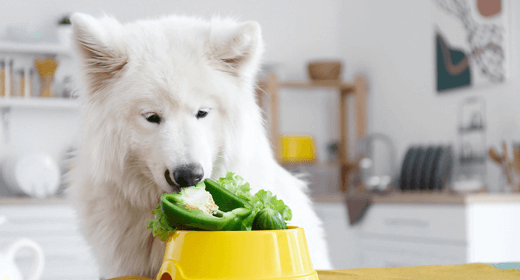
Fiber is important to your dog's health, providing bulk to move food through his intestinal tract. Some types of fiber can be fermented (broken down by bacteria) in the intestinal tract. This process creates short-chain fatty acids (SCFA), which are a key energy source for the cells lining the intestinal tract.
Most people are aware of fiber and its role in their diet. The beneficial effects of higher fiber levels in humans influence the way many people think about their own food—and their pets’ food. As a result, some pet-food manufacturers began to think like human nutritionists and make high-fiber diets for dogs. But high-fiber diets and the shorter digestive tracts of dogs don't always mix well. High fiber levels in dogs can cause digestive problems and interfere with proper nutrient absorption. Unlike humans, dogs are carnivorous, meaning their nutritional needs are better satisfied with meat rather than with plant materials.
For more than 60 years, pet nutritionists at IAMS™ have been studying diets to better meet the special nutritional needs of dogs. IAMS research shows that the optimal crude-fiber level for healthy dogs ranges from 1.4 to 3.5%. At these levels, nutrient digestibility is maximized.
An important characteristic of fiber is its fermentability, or how well it can be broken down by the bacteria that normally reside in the dog's intestine. This breakdown of dietary fiber produces SCFAs that provide energy to the cells lining the intestines. Different types of fiber vary in fermentability.
Fiber sources used in pet foods include cellulose, which is poorly fermentable; beet pulp, which is moderately fermentable; and gums and pectin, which can be highly fermentable.
Research has shown that moderate levels of moderately fermentable fiber, such as beet pulp, provide the benefits of energy for the intestinal lining and bulk without the negative effects of excessive stool or gas.
High levels of poorly fermentable fiber are used in some weight-reduction pet foods to dilute the calories in a serving. IAMS research found that this is not a good practice because high fiber levels can decrease the digestibility of other nutrients in the food and, therefore, can reduce the nutritional quality of the diet. You might also see more poop piles in the yard because of the indigestible fiber.
The key thing to remember about dietary fiber is that your dog's needs are not the same as yours. A moderate level of moderately fermentable fiber, such as beet pulp, provides proven nutritional benefits for dogs. Diets containing high levels of poorly fermentable fiber to dilute calorie content do not provide these nutritional benefits.
All IAMS products, including IAMS™ ProActive Health™ Adult MiniChunks, are formulated with optimal levels of moderately fermentable fiber to promote a healthy intestinal tract and enhance the well-being of your dog.


Dogs love to chew on things. In fact, chewing is a natural canine behavior. Providing appropriate chew treats and chew toys can be rewarding for the dog and might prevent or eliminate possible destructive chewing behavior. Chewable treats/toys are designed to provide that important natural chewing activity that dogs love. If the chew treat/toy has other benefits, such as oral care, that's even better.
Make enjoying chew treats and chew toys a safe and healthy activity with these tips:
Tip #1: There is some risk of digestive-tract obstruction with any type of chew treat or chew toy. Safety is always a concern when a dog chews. Many natural objects, such as sticks, rocks, and bones, can get stuck in a dog’s throat or intestine. As a dog owner, you are ultimately responsible to monitor your dog closely to make certain that the chew treat is chewed well.
Tip #2: Chew treats and chew toys should be sized appropriately for your dog. In other words, your dog should not be given a chew treat/toy that could be swallowed whole. Packages should indicate the appropriate size dog for the chew treat/toy. If in doubt, ask your retailer or contact the manufacturer.
Tip #3: Observe your dog playing with the chew toy or eating the chew treat. With the chew treat, your dog should gnaw on it with the side teeth and swallow pieces of the edible chew. Because dogs don't have the same crushing molars that humans have, they will “slice” off pieces with the side teeth. Many dogs will hold the treat in their paws or simply move it from side to side in their mouth as they chew off small pieces.
Tip #4: If your dog has a history of ingesting foreign objects such as rocks, sticks, or toys, you might not want to give him or her chew treats/toys at all. Try edible biscuits, instead.
Tip #5: Watch for choking, excessive drooling, vomiting, poor appetite, lethargy, and abnormal bowel movements. If you notice any of these signs, seek veterinary care sooner rather than later!
Tip #6: When in doubt about what is appropriate for your dog, contact your veterinarian. He or she can offer professional advice.