Enter a keyword below to search for articles and products.
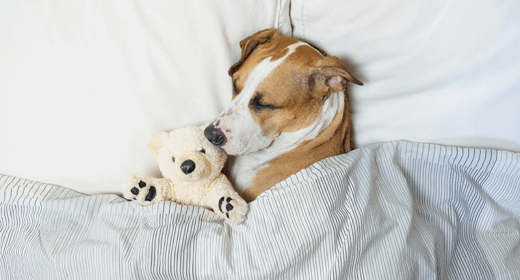
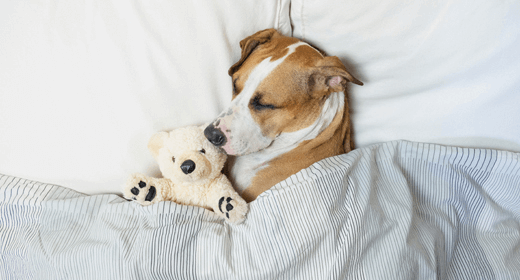
We may often envy our dogs for the kind of life they lead. Chilled, relaxed, and always well-rested. After sleeping like babies all night, dogs have the ability to nap throughout the day. You will find them basking under the sun, dozing off on the couch, or just napping next to your feet. When they do wake up after they’ve had their fat naps, they are full of energy and ready for some serious playtime.
Many animals, like dogs, sleep differently than we humans do. This is a very common reason for dog parents to wonder why my dog is always sleeping. Is my dog sleeping a lot or not enough? If you are wondering how much sleep do dogs need, there is more than one answer to this question. Just like how our sleep cycles change throughout our lives depending on our age, health, lifestyle, etc, a dog’s sleep cycle also changes depending on its age, health, and lifestyle. Keep reading to learn more about how long do dogs sleep, so it’s easier for you to understand your floof’s sleep patterns.
Dogs need a considerable amount of sleep; a lot more than we do. Additionally, carnivores like dogs sleep a lot more than herbivores since sleep is more dangerous for prey animals. The total number of hours a dog needs to sleep for varies on different factors such as its age, its health condition, and the kind of life it leads. Out of all these factors, age matters the most.
Dogs can sleep for around 12-14 hours each day, but puppies can clock in even more hours. This is because the body needs a lot of rest and repair during the first few months of life. Let’s take a look at how age affects the sleep cycle of dogs.
Puppies need to sleep for as long as their body needs to facilitate growth and repair. It is completely normal if your puppy sleeps for most of the day. In fact, puppies tend to sleep more throughout the day and less through the night.
Most adult dogs tend to sleep for anywhere between 8 to 13 hours, averaging around 11 hours each day. Yes, that’s a lot but that’s also a charm for these cute, cuddly floofs. Adult dogs tend to sleep for longer during the night depending on their and their pet parent’s schedule. However, napping for them is equally important. That being said, sleeping for a few hours during the day is absolutely normal.
Senior dogs and middle-aged dogs sleep as much as puppies. They tend to not wake up through the night and nap for a considerable number of hours throughout the day. These hours of sleep make sure that their body is well rested and recovering well as their body continues to age.
We now know that dogs, on average, can sleep for 15 hours a day irrespective of their age. However, every dog is different and will stick to a different routine which is okay. As a pet parent, you will soon understand your floof’s sleeping cycle and how its body functions.
If you do start worrying about your floof sleeping for too long, do not hesitate to contact your vet. It is always better to clear your doubts and take your furry friend to the doctor for a check-up and be sure. Another cause for concern that should be kept in mind is your dog sleeping for longer than usual. This could be a sign of underlying causes such as diabetes, dog depression, anxiety, and more. This is why a visit to the vet whenever you are worried is highly recommended.
There could be many reasons as to why your dog is sleeping so much. Our first thought is always an underlying disease that should be checked out by the vet. While this is highly recommended and also very common, many other reasons can make your dog sleep for very long.
If you’re wondering “Why is my dog always sleeping?”, the answer could be as simple as boredom. Sometimes dogs will resort to sleeping simply because they do not have anything to do. Apart from boredom, stress and anxiety are also major reasons for dogs sleeping too much. If your dog is anxious, you will notice it being lethargic and falling asleep often. The best way to combat this is to establish a routine and include some wholesome playtime.
Your dog can be susceptible to hyperglycaemia if its body is unable to produce the minimum amount of insulin needed. Certain dog breeds are at a higher risk of this disease as compared to other breeds. Visit your vet to diagnose conditions like this early and do the needful.
Viral infections in dogs are highly contagious and can affect your floof’s body greatly. Because of viral infections, your floof’s body will be unable to absorb any nutrients and will leave it dehydrated. Other than that, your floof will also suffer from a lack of protein and recovering from this disease will take some time. Resort to early puppy vaccination to keep occurrences as such at bay.
This infection caused by bacteria is highly contagious and your dog can get this disease easily through direct contact with urine from other dogs. This disease can also be passed on by humans. Again, this disease can drain your floof’s body of energy resulting in it falling asleep way too often.
Poisoning is a reason that should not be neglected by dog owners. If your dog is not trained and will eat anything palatable, it is at risk of poisoning itself. Other than that, many human foods are also poisonous to dogs. Avocados, spices, coffee, cheese, and more are foods that should not be fed to dogs, especially when you're pampering your floof.
Now that you know how much sleep do dogs need on average, you can notice any sudden changes in your dog’s sleep patterns. See a vet immediately if you suspect any illness or disease.
A dog’s sleep cycle depends on its age and lifestyle. For example, it is very normal for a puppy to sleep for around 20 hours a day since their bodies need to rest and repair.
Sometimes, dogs keep sleeping all day because they are bored. The best way to help your dogs in situations as such is to establish a routine that also includes some exciting playtime.
Judging by how much sleep do dogs need, a dog may be stressed if it is sleeping for way too long as compared to how much it should. Another sign of stress in dogs is lethargy.



Just as in humans, gut health plays a pivotal role in a dog's overall health and well-being. But what exactly is gut health?
Essentially, it refers to the balance and functioning of the gastrointestinal (GI) tract, specifically the gut microbiome, a unique collection of thousands of different types of bacteria, viruses, fungi, and other microorganisms. This delicate ecosystem is crucial for almost every aspect of your dog's health, from nutrient absorption to cognitive functions.
However, our pet’s commercial diets, medications like antibiotics, and excessive indoor living can disrupt the balance of the gut microbiome, leading to canine digestion issues such as inflammatory bowel disease (IBD), immune system reactions, indigestion in dogs, and behavioural changes.
Fortunately, it's possible to restore and maintain your dog's gut health, while addressing signs of indigestion in dogs. Join us as we discuss the best ways to promote healthy dog digestion.
Improving your dog's gut health involves addressing any signs of digestive issues in dogs, and working towards a well-balanced gut microbiome. Here are 4 of the best ways to improve your dog’s gut health, and in turn your dog’s digestion:
Introducing probiotics into your dog's diet can help build good bacteria and balance their microbiome. Probiotics increase immune resistance against harmful bacteria, fight intestinal infections, and provide nutritional support during digestive issues. You can try products like IAMS™ Proactive Health™ Digestive Health Supplement, which contains the probiotic Bacillus Subtilis. This helps degrade organic matter in the feces, reduce ammonia production and fecal odour, and promote the growth of good bacteria. To keep these beneficial probiotics thriving, consider adding soluble fibers into their meals, such as squash.
Regular exercise and playtime can significantly improve your dog's gut health. Exercise reduces stress, which can weaken its immune system and cause inflammation. Finding the right level of exercise for your dog's life stage and maintaining that routine can help manage canine digestion and overall health.
Feeding your dog a nutrient-dense, biologically appropriate diet can positively impact their gut health. Dogs require meat protein for optimal health, and raw meats rich in live enzymes can enhance digestibility and nutrient absorption. Including bone broth in their meals can also increase nutrient absorption and help restore the gut lining.
Just like humans, dogs can benefit from exposure to a variety of environments. This can help diversify their gut microbiome, leading to better digestion and overall health.
Indigestion in dogs is often a clear sign of poor gut health. Some other signs of digestive issues in dogs that you should watch out for are:
These signs could indicate a disrupted gut microbiome that needs attention. By taking steps to improve your dog's gut health, you'll be supporting their overall wellness and helping them lead a happier, healthier life.
If you notice signs of indigestion in dogs, such as diarrhoea, constipation, bloating, vomiting, or any changes in their behaviour, it’s crucial to consult with a vet. While occasional digestive issues can occur in dogs, persistent symptoms could indicate a disruption in their gut microbiome.
Investing in your dog's gut health through a comprehensive approach of diet, exercise, environment exposure, vet consultations, and supplements, can significantly improve their overall well-being. This will help to ensure healthy canine digestion, and a happier, healthier life for your furry friend.