Enter a keyword below to search for articles and products.
Taking care of your new puppy can be overwhelming, but with these tips and lots of love, you’ll be a great puppy parent in no time.
Just like a baby, a puppy's body is fragile. Avoid picking up your puppy unless absolutely necessary. If you must, be careful and use these steps:
Step 1: Place one hand under your puppy's rump, and place your other hand under his chest.
Step 2: Lift with both arms. With a small adult dog, use the puppy technique. For larger dogs, wrap both arms around his legs, draw him to your chest, and lift.
Before you bring your puppy home, be sure you have the following supplies:
Keeping your puppy safe in your yard requires good fencing. There are several options to choose from, and the one you should pick will depend on your puppy's personality, your property, and your budget. Here are some of the options you should consider:
The ideal time to bring home a new puppy is when the house is quiet. Discourage friends from stopping by and don't allow overnight guests. First, establish a daily routine and follow these steps:
Step 1: Before bringing him in the house, take him to the designated potty area in your yard and spend a few minutes there. If he goes, praise him. Be sure to take him to this spot each time he potties.
Step 2: Take him to the room with his crate. This restricted area will serve as his new 'den' for several days. Put bedding and chew toys in the crate, leave the door open, and line the area outside of the crate with newspaper in case of an accident. Let him investigate the crate and the room. If he chews or urinates on his bedding, permanently remove it from the crate.
Step 3: Observe and interact with your puppy while he's getting used to his new den. This will help forge a sense of 'pack' and establish you as the pack leader.
Don't treat a puppy as young as 6 to 12 weeks like an adult dog. Treat him the same way you would an infant, with patience, constant supervision, and a gentle touch. The way you interact with your puppy at this age is critical to his socialization. Use these tips:
Ideally, your kids should help you choose your puppy. When you bring him home, don't let them play with him constantly. Puppies need a lot of rest, just like a growing child. Limit puppy-children play sessions to 15- to 30-minute periods, two to three times a day.
Meeting Resident Pets
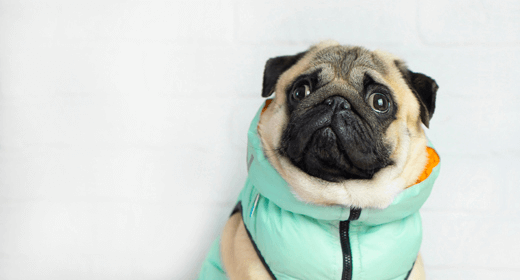
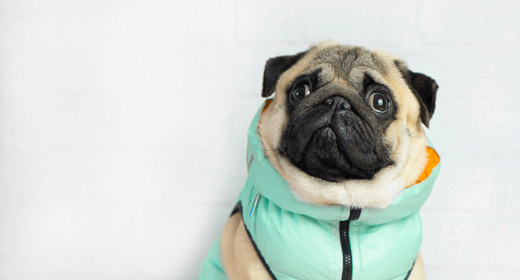
Since we cannot directly communicate with our dogs, there are certain behaviours and actions that immediately concern us. One of these behaviours is a dog shaking. No, not the fun way they shake off water starting from their nose all the way to the end of their tail. We’re talking about that full-body trembling you’ve likely seen your pooch do from time to time. Why do they do it? And is it something you should be worried about?
A majority of dog owners in an IAMS™ survey* (64%) think the reason behind a dog shivering is that they are cold. Other top responses were because the dogs are scared (57%) or anxious (54%). High-fives all around because it turns out there are a number of reasons why dogs shake, and all those are possible correct answers. Here are some probable reasons behind a dog trembling:
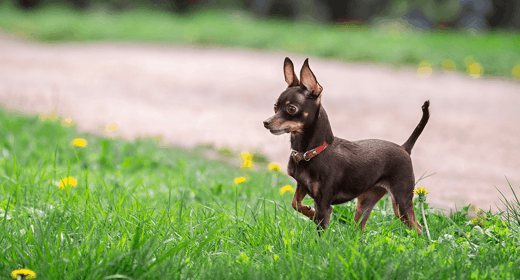
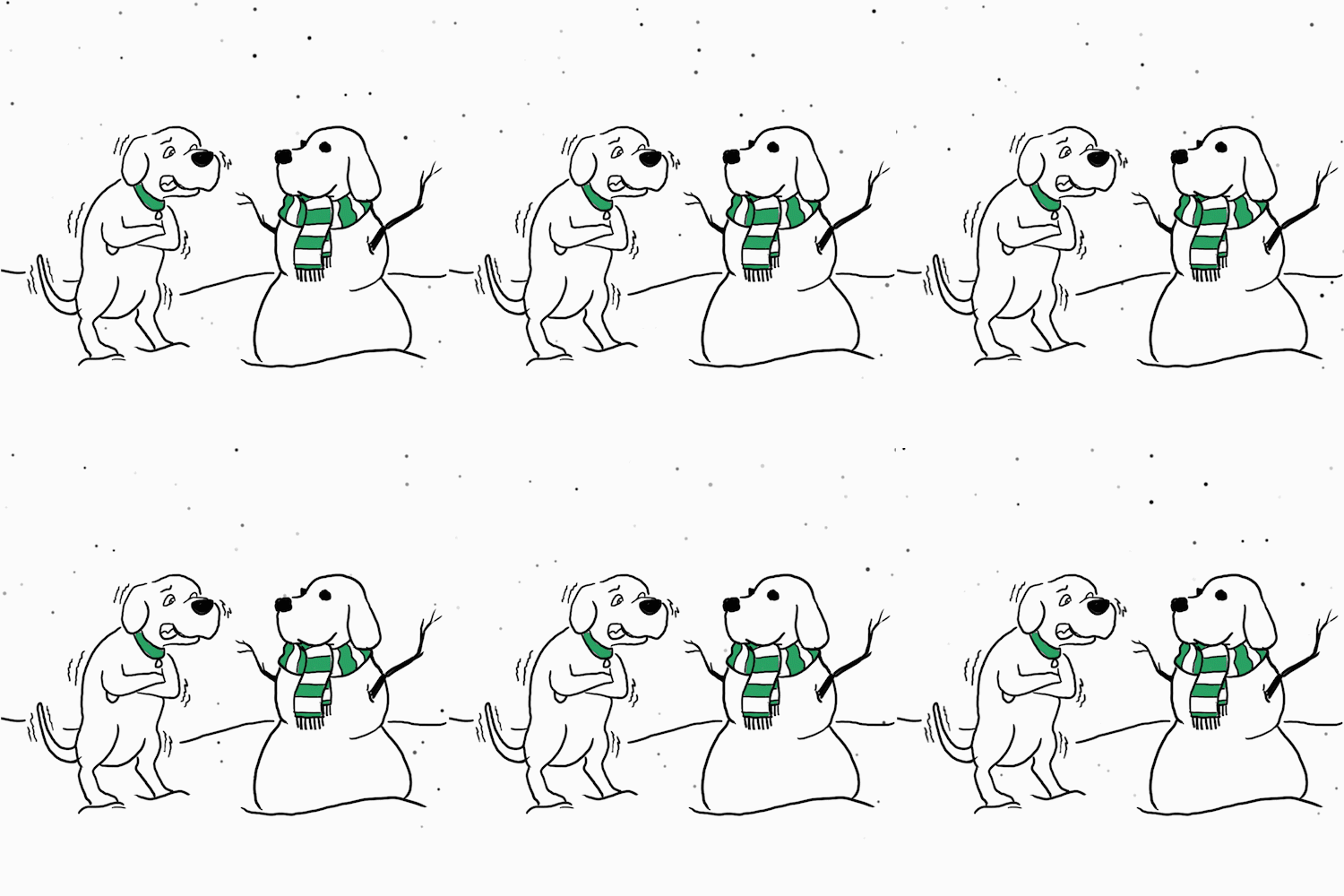
Just like their owners, dogs will often shiver when cold. Dr. Tammie King, Applied Behaviour Technical Leader at Waltham Petcare Science Institute, says: “Dogs shiver in response to falling temperatures. Dogs with short or no hair are especially susceptible. You should get them warm, put coats on them or bring them inside.”
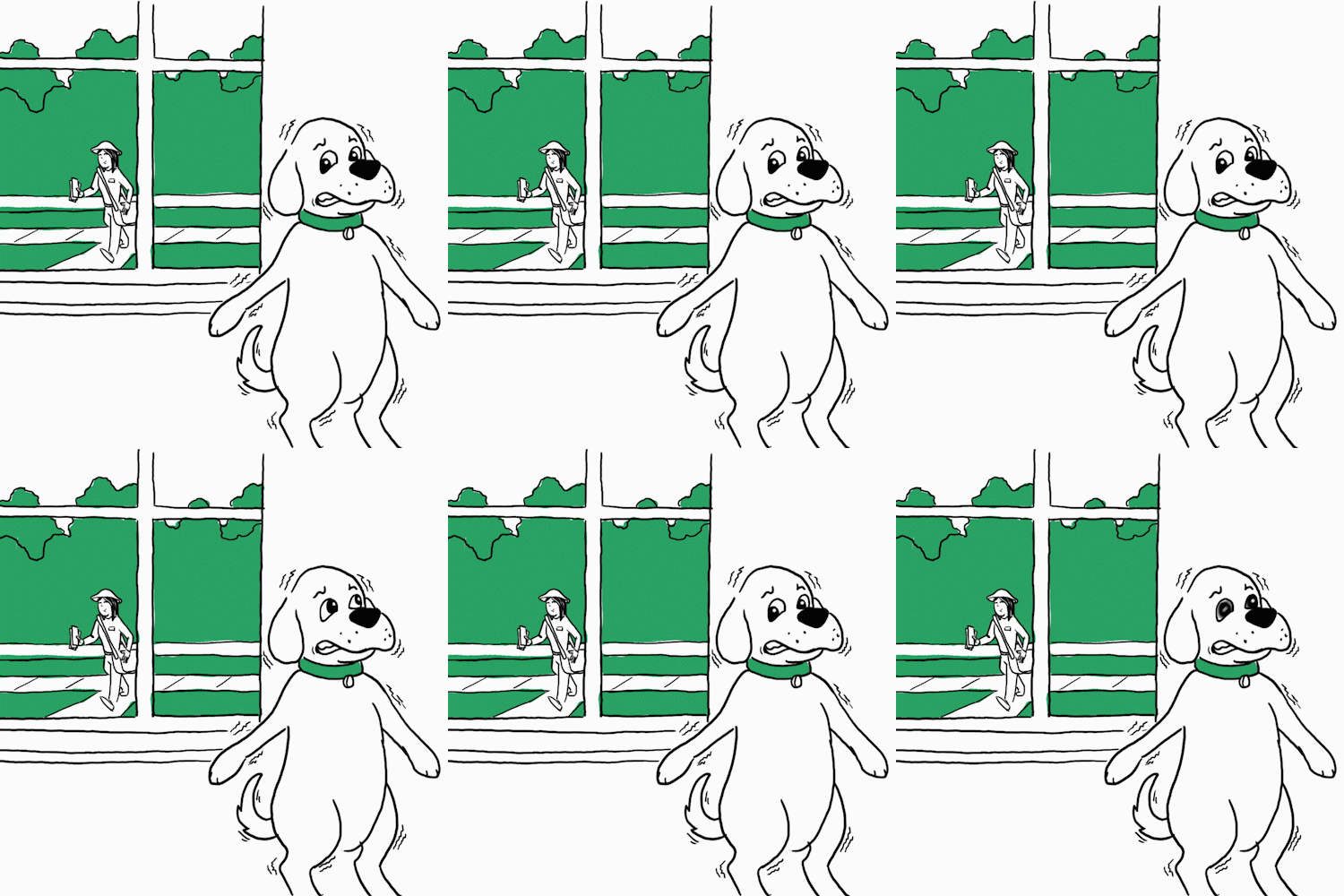
“Shaking is a response to epinephrine or adrenaline secretion — a sign of anxiety where the dog is on high alert,” says James Serpell, B.S., Ph.D., Professor of Humane Ethics & Animal Welfare at the University of Pennsylvania School of Veterinary Medicine. You may notice this when you’re at the vet or there’s a situation where they feel threatened. Dr. Serpell also offers a way to help in some cases: “Identify what’s triggering the behaviour. Provide them comfort. Going forward, you can gradually desensitise your pet to the thing it’s afraid of.”
This is probably the most comforting answer to every dog owner’s concern. Apart from being a response to anxiety or stress, a dog’s trembling can also be a result of excitement. This trembling or shaking is not a matter of concern and will stop once the animal calms down.
Trembling can also be a sign of serious issues like injury, poisoning, or kidney disease. Dr. Jo Gale, BVetMed CertLAS MRCVS, Senior Manager, Global Science Advocacy at Waltham Petcare Science Institute urges pet owners to be vigilant: “If a pet is unwell in another way, they could be trembling.” If their shaking is accompanied by symptoms like diarrhoea, limping, or vomiting, you should consult your vet straight away.
Shaker syndrome has been observed in white dogs of smaller-sized breeds. It causes shivering in a dog’s entire body. The precise cause of this syndrome is not yet known; however, your vet will be able to prescribe medications upon close examination.
Old age is also a pretty common cause of shaking and shivering in dogs. This is because age reduces tolerance to even a slight amount of cold. Besides that, shaking can also be a result of other old-age-related issues like joint pains or weakening of limbs.
As mentioned earlier, you should immediately consult a vet if, along with shaking, your dog is also experiencing vomiting, limping, or diarrhoea. Even though shaking is a common symptom of old age-related issues, you must take your dog to the vet. If they are suffering from joint pain, early treatment is necessary. It is also advisable to visit a vet if your dog’s shaking or shivering hasn’t stopped even after a few minutes.
Additionally, if you ever notice violent shaking in your dog, it might actually be a seizure. In such a case, rush to an emergency room as quickly as possible.