IAMS SG
What to Know When You Bring Your Puppy Home

adp_description_block293
What to Know When You Bring Your Puppy Home

  • Share

Taking care of your new puppy can be overwhelming, but with these tips and lots of love, you’ll be a great puppy parent in no time.


Picking Up a Puppy

Just like a baby, a puppy's body is fragile. Avoid picking up your puppy unless absolutely necessary. If you must, be careful and use these steps:
 

Step 1: Place one hand under your puppy's rump, and place your other hand under his chest.
 

Step 2: Lift with both arms. With a small adult dog, use the puppy technique. For larger dogs, wrap both arms around his legs, draw him to your chest, and lift.


Supplies You’ll Need

Before you bring your puppy home, be sure you have the following supplies:
 

  • Premium pet food to get your new puppy off to a good start
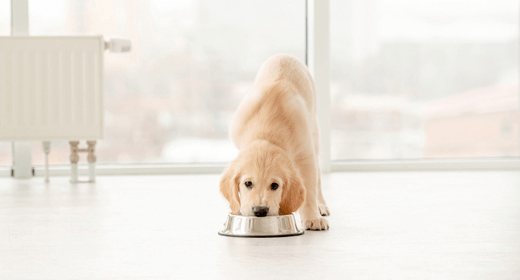
  • Stainless steel, non-tip food and water bowls
  • Identification tags with your puppy's name, your name and phone number, and your veterinarian's name and phone number
  • A collar and a leather or nylon 6-foot leash that's ½- to ¾-inch wide (Consider using a 'breakaway' collar with plastic clips that will unsnap in case your puppy gets hung up on something.)
  • A home and travel crate that's airline approved and that will accommodate your puppy's adult size. This crate will serve as your puppy's new 'den' at home, when traveling, or when riding to the veterinarian's office. His scent in the crate will provide comfort and a sense of security during these stressful times.
  • Stain remover for accidental soilings
  • Brushes and combs suited to your puppy's coat; ask your veterinarian or breeder about an appropriate brush or comb for your dog.
  • Dog shampoo, toothbrush, and paste
  • High-quality, safe chew toys to ease teething
  • Flea, tick, and parasite controls
  • Nail clippers
  • Treats


Helpful Hints

  • Use stainless steel, non-tip food bowls, which won't break or absorb odors.
  • Toys with parts that squeak or whistle can be dangerous if swallowed.
  • For a comfortable collar fit, allow for two fingers of space between the collar and your dog's neck; consider using an adjustable collar.


Fencing Options

Keeping your puppy safe in your yard requires good fencing. There are several options to choose from, and the one you should pick will depend on your puppy's personality, your property, and your budget. Here are some of the options you should consider:
 

  • Privacy fencing. Privacy fences have no openings and provide excellent containment.
  • Chain link. Inexpensive chain link works well and is durable.
  • Underground fencing. These electronic systems cannot be seen, jumped over, or dug under. Wire is buried, configured, and connected to a transmitter. The dog wears a special collar that emits warning tones and issues a mild shock as he nears the buried wire.
  • Kennels. A covered kennel run, especially one with a concrete floor, will keep your puppy from digging, climbing, or jumping out. Ask your veterinarian or breeder to recommend an appropriate size.


The First Days at Home

The ideal time to bring home a new puppy is when the house is quiet. Discourage friends from stopping by and don't allow overnight guests. First, establish a daily routine and follow these steps:
 

Step 1: Before bringing him in the house, take him to the designated potty area in your yard and spend a few minutes there. If he goes, praise him. Be sure to take him to this spot each time he potties.
 

Step 2: Take him to the room with his crate. This restricted area will serve as his new 'den' for several days. Put bedding and chew toys in the crate, leave the door open, and line the area outside of the crate with newspaper in case of an accident. Let him investigate the crate and the room. If he chews or urinates on his bedding, permanently remove it from the crate.
 

Step 3: Observe and interact with your puppy while he's getting used to his new den. This will help forge a sense of 'pack' and establish you as the pack leader.


Special Puppy Concerns

Don't treat a puppy as young as 6 to 12 weeks like an adult dog. Treat him the same way you would an infant, with patience, constant supervision, and a gentle touch. The way you interact with your puppy at this age is critical to his socialization. Use these tips:
 

  • Don't bring home a puppy while you're on vacation. You want to be able to spend a lot of time with him so you can acclimate him to your normal, daily routine.
  • Supervise your puppy at all times and interact with him regularly.
  • Be alert for signs (sniffing and circling) that he has to go to the bathroom, and take him outside immediately.
  • A young puppy has no bladder control, and will need to urinate immediately after eating, drinking, sleeping, or playing. At night, he will need to relieve himself at least every three hours.
  • Don't punish an accident. Never push his nose in the waste or scold him. He won't understand, and may learn to go to the bathroom when you're out of sight.
  • Praise your puppy every time he goes to the bathroom outside.
  • Feed your puppy a formula designed for puppies. Like a baby, he needs nutritious, highly digestible food.


Children and Pets

Ideally, your kids should help you choose your puppy. When you bring him home, don't let them play with him constantly. Puppies need a lot of rest, just like a growing child. Limit puppy-children play sessions to 15- to 30-minute periods, two to three times a day.
 

  • Young children might be tempted to shout at a puppy if they think he's doing something wrong. Be sure kids understand that puppies and dogs can be easily upset and startled by loud noises.
  • No teasing. Keeping a toy just out of reach will reinforce bad habits such as jumping up and excessive barking.
  • Wagging tails and play biting can be too rough for young children. Supervise puppy-child interactions and separate them if the play is too rough.
  • Teach kids to care for a dog by showing them how to feed and groom him.


Meeting Resident Pets

  • Keep resident pets separated from your new puppy for a few days.
  • After your new puppy is used to his new den area, put an expandable pet gate in the doorway or put your puppy in his crate.
  • Give your resident pet access to the area. Let pets smell and touch each other through the crate or pet gate. Do this several times over the next few days.
  • Give the resident pet access to the den area with your new puppy out of his crate. Supervise their meetings and go back to through-the-gate/crate meetings if trouble arises.

  • Is Your Dog Panting a Lot? Understanding When It's Normal and When to Worry
    Is Your Dog Panting a Lot? Understanding When It's Normal and When to Worry

    adp_description_block61
    Is Your Dog Panting a Lot? Understanding When It's Normal and When to Worry

    • Share

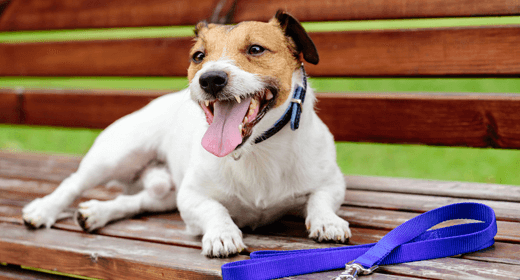
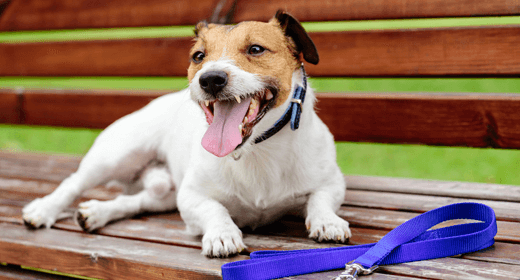
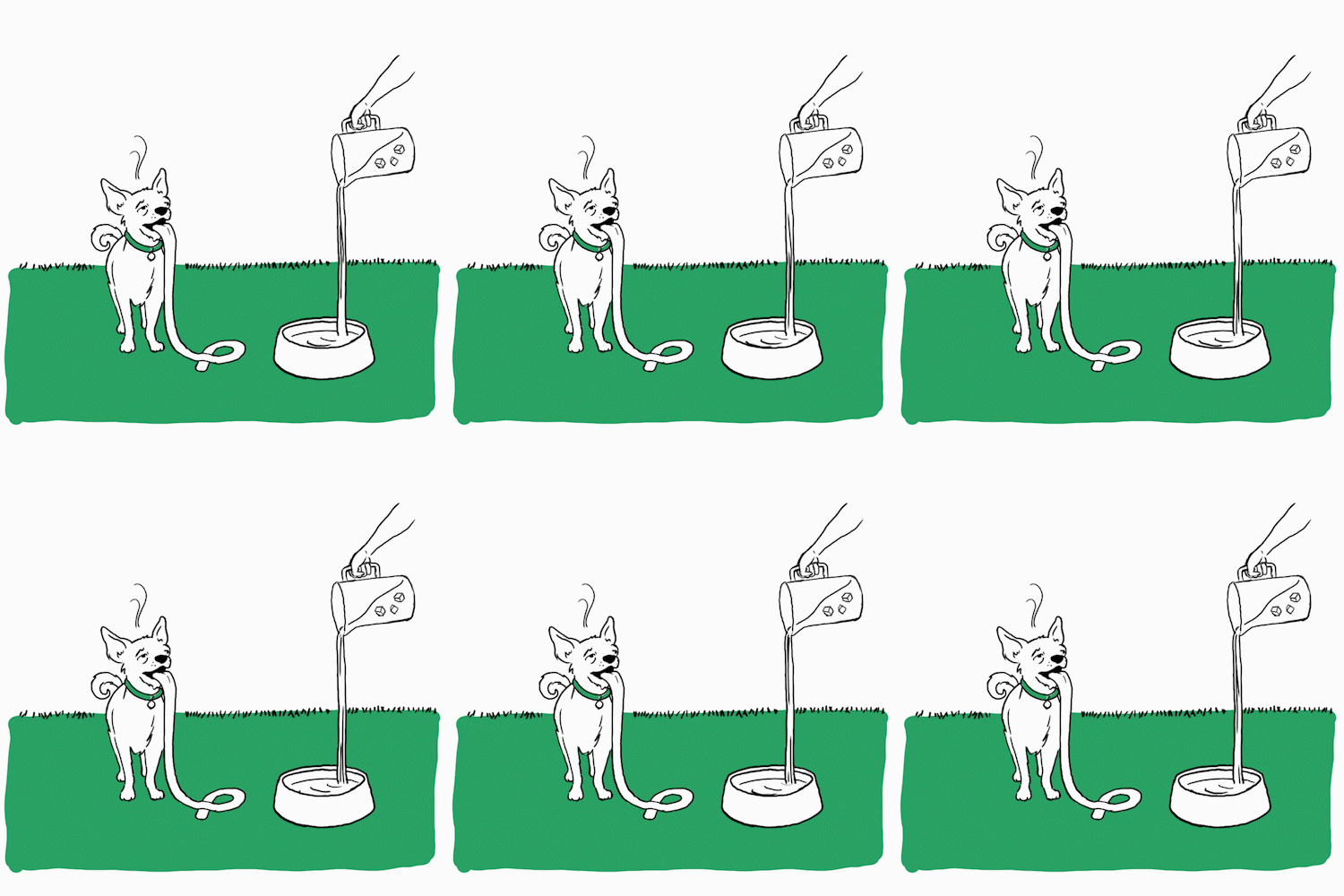
    We all adore the sight of our furry friends panting, tongues lolling out in playful exhaustion after a spirited game of fetch or on a warm, sunny afternoon. But have you ever stopped to wonder about the deeper meaning behind this seemingly simple act? What does it tell us about our dog's health and well-being?
     

    While we may find dog panting endearing, it serves a far more crucial purpose than just a cute quirk. Panting is an essential element of canine physiology, playing a vital role in regulating body temperature and communicating emotional states. Knowing the different types of dog panting and their underlying causes can be crucial in providing the best care for our beloved companions.
     

    Understanding your dog's panting

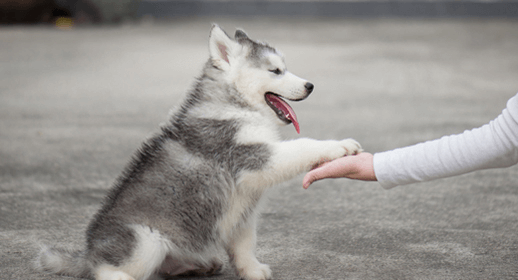
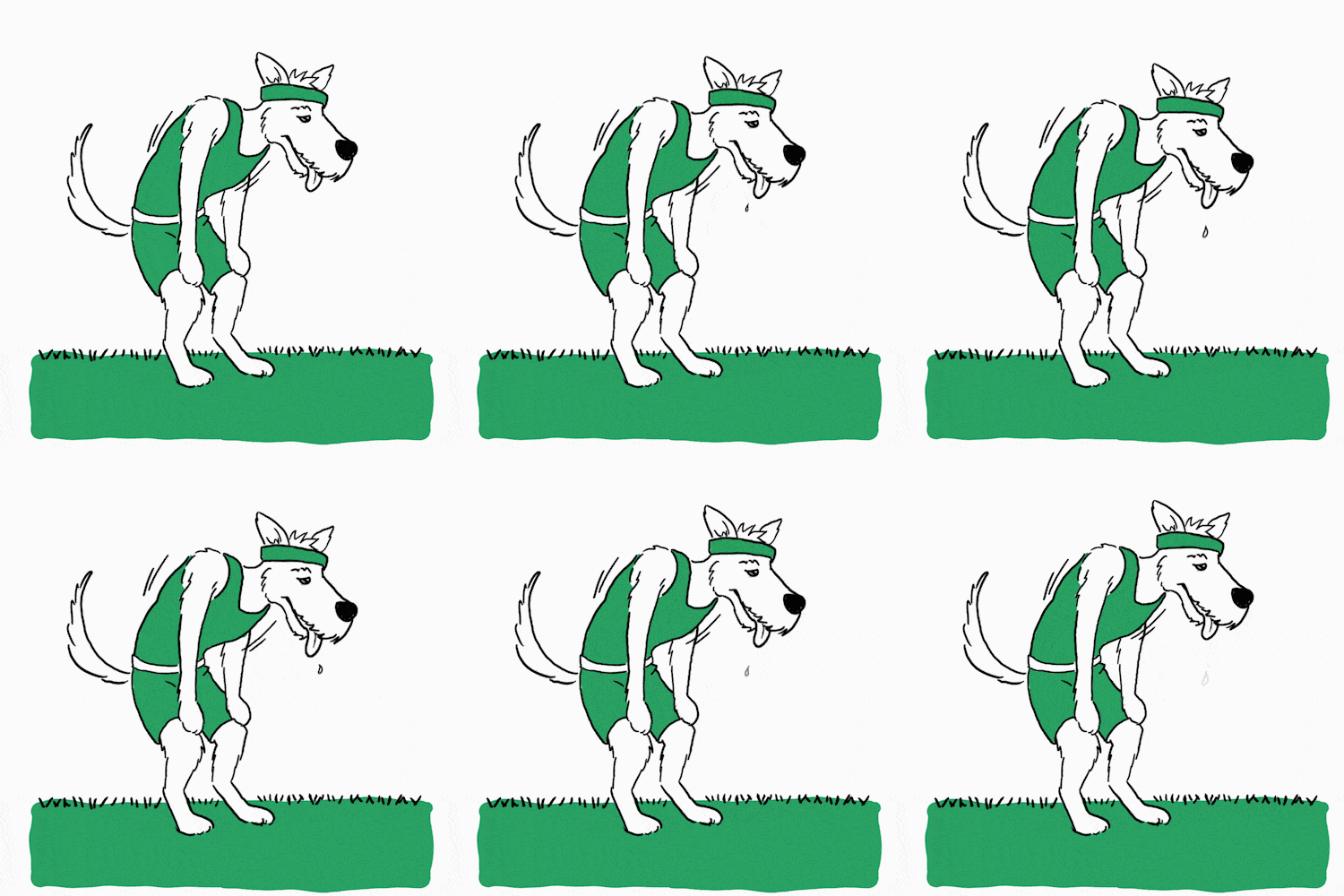
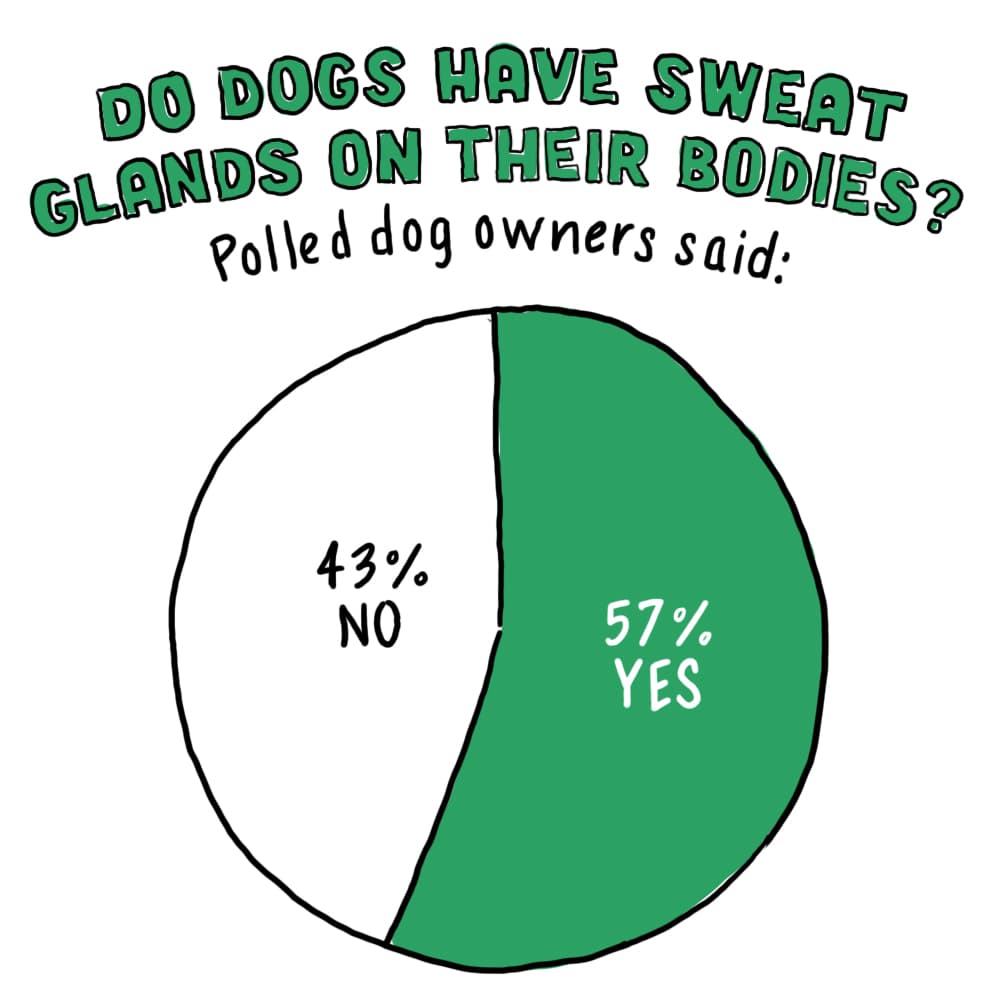
    Dogs pant to regulate their body temperature, a mechanism similar to how humans sweat. While some panting is normal, excessive or unusual panting can be a sign of an underlying health issue.
     

    Normal panting:

    • Frequency: At rest, a healthy dog typically takes about 15 to 35 breaths per minute.
    • Intensity: The panting should be shallow and quiet, with minimal tongue lolling.
    • Context: Panting is expected after exercise, play, excitement, or in hot weather.
    • Duration: Once the cause of the panting is addressed (e.g., they cool down or calm down), the panting should subside.

    Concerning panting:

    • Excessive: If your dog is breathing fast i.e., 40 breaths per minute at rest or even when slightly active, it's a red flag.
    • Heavy: When the dog is breathing heavy, the panting is deep and laboured, with pronounced tongue lolling and drooling.
    • Unusual: Panting occurs in situations where it doesn't usually happen, such as when your dog is relaxed in a cool environment.
    • Persistent: The panting doesn't subside despite addressing the possible causes, or it's accompanied by other symptoms like lethargy, vomiting, or loss of appetite.

    Causes of dog panting

    Understanding why your dog pants is crucial for their health and well-being. While we've previously discussed how panting is their primary cooling mechanism, there's more to the story than just regulating body temperature.
     

    Physical reasons for panting

    • Heat regulation: As mentioned, panting helps dogs cool down after exercise, play, or during hot weather. By evaporating moisture from their tongue and respiratory tract, they bring their internal temperature back to a comfortable level.
    • Pain or discomfort: Excessive panting can be a sign of pain or discomfort due to an injury, illness, or other medical condition. Pain elevates heart rate and body temperature, triggering the panting reflex.
    • Respiratory issues: Allergies, asthma, kennel cough, and other respiratory conditions can make it difficult for your dog to breathe, leading to increased panting as they strive for more oxygen.

    Emotional reasons for panting:

    • Excitement: When your dog is excited, their heart rate and breathing increase naturally. This manifests as panting, especially during playtime, greetings, or anticipation of a favourite activity.
    • Stress or anxiety: Dogs experience stress and anxiety in various situations, leading to panting as a coping mechanism. Be aware of other behavioural changes like pacing, drooling, or tail tucking.
    • Fear or phobias: Loud noises, thunderstorms, and unfamiliar environments can trigger fear or phobias, leading to excessive panting, trembling, and attempts to hide.

    What should you do when your dog is breathing heavy?

    Seeing your beloved furry friend struggling to breathe can be a harrowing experience. But before jumping to conclusions, it's important to stay calm and assess the situation. Here's what you can do when your dog is panting heavily:
     

    Analyse the environment:

    • Recent activities: Have they been engaging in strenuous activity like playing fetch, running, or intense exercise?
    • Temperature and climate: Is it a hot day? Are they exposed to direct sunlight?
    • Stressful environment: Are there loud noises, unfamiliar people, or other factors that might be causing anxiety?

    If any of these factors are present, the panting is likely a normal physiological response to regulate their body temperature or manage stress. In this case, simply provide your dog with a cool, quiet space, offer fresh water, and allow them to rest.
     

    Observe your dog's behaviour:

    • Intensity: Is the panting shallow and quiet, or is it deep and laboured?
    • Frequency: How many breaths are they taking per minute?
    • Tongue lolling: Are they lolling their tongue excessively and drooling?
    • Additional symptoms: Are there any other concerning signs like lethargy, vomiting, or loss of appetite?

    Pay close attention to any deviations from their normal breathing patterns. Excessive panting in dogs, especially at rest or in a cool environment, may indicate an underlying medical condition and warrants further investigation.
     

    Provide comfort and hydration:

    • Cool down: Move your dog to a cooler area with shade and good air circulation.
    • Fresh water: Ensure they have access to clean, fresh water at all times.
    • Calm environment: Create a quiet and comfortable space where they can relax without distractions.

    These initial steps can help alleviate panting caused by heat or stress.
     

    When to see a vet for your dog's panting?

    While dogs naturally pant for various reasons, like regulating their body temperature or expressing excitement, excessive or unusual panting can be a sign of an underlying health issue. Knowing when to seek veterinary attention is crucial to ensure your furry friend's well-being.
     

    Here's when you should be concerned about your dog's panting:

    • Accompanying symptoms: If your dog's panting is accompanied by other concerning symptoms like lethargy, loss of appetite, vomiting, diarrhoea, coughing, pale gums, excessive drooling, weakness, or unusual behaviour, prompt veterinary attention is essential.
    • Excessive panting: If your dog's panting is deep, laboured, and accompanied by exaggerated tongue lolling, it could indicate a serious medical condition. Don't delay seeking professional help.
    • Continuous panting: Panting that persists even when your dog is at rest, in a cool environment, or after addressing the initial cause (e.g., exercise, heat) requires veterinary evaluation.
    • Unrelenting panting: If the panting doesn't subside within a reasonable timeframe or even worsens despite your efforts to provide comfort and address environmental factors, it's crucial to seek professional advice.

    Panting is a natural and essential part of a dog's physiology, but it's crucial to differentiate between normal panting and signs of distress. By understanding the reasons behind your dog's panting and knowing when to seek help, you can ensure they live a happy, healthy life.
    Why Do Dogs Pant?
    Why Do Dogs Pant?
    Why Do Dogs Pant?
Close modal