Enter a keyword below to search for articles and products.
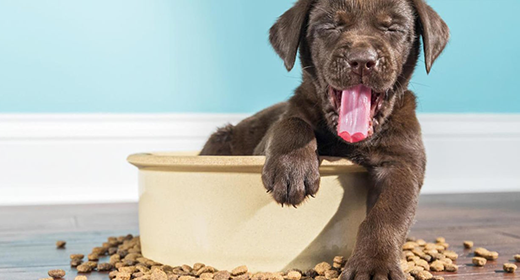
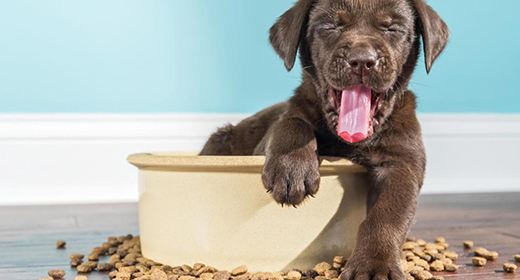
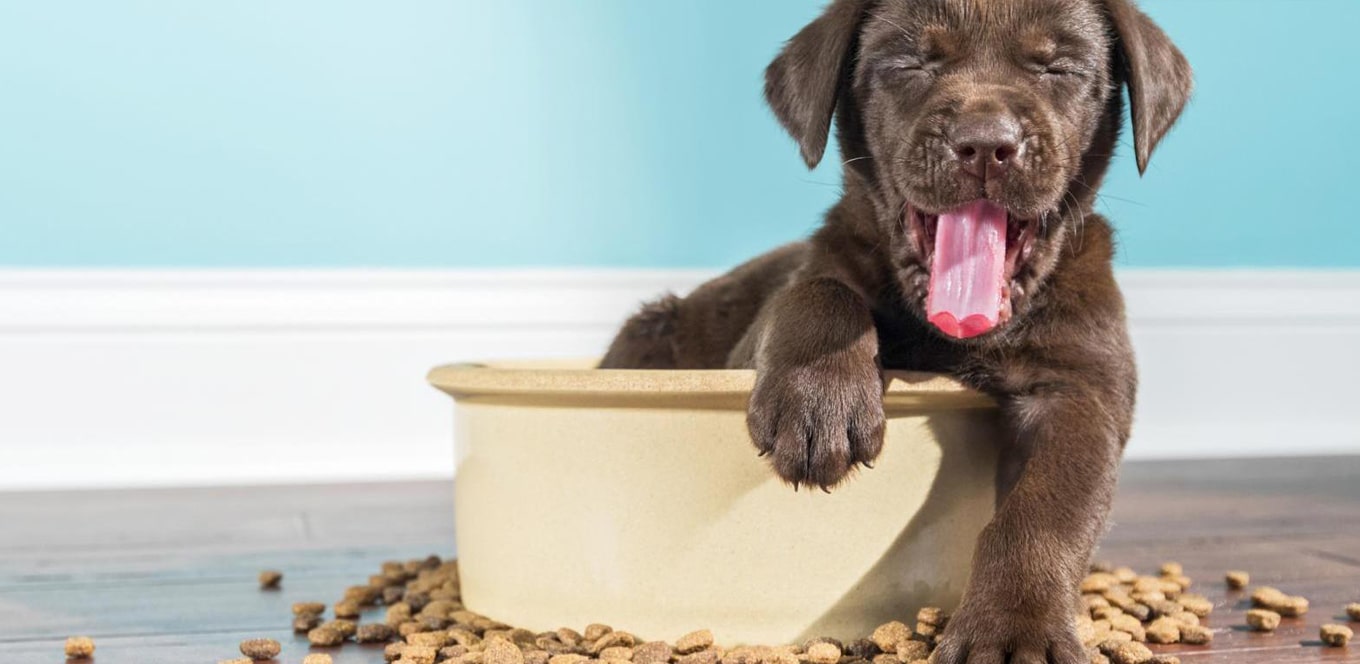
How much do you know about the food you’re buying for your puppy? When shopping for puppy food, pay attention to these three sections of a dog food label.
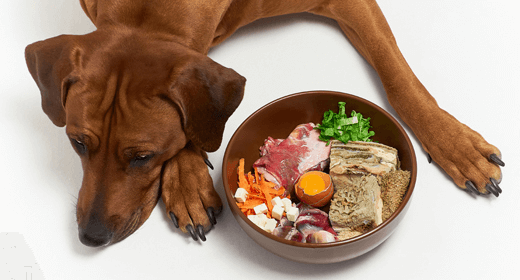
This section lists all the ingredients that make up the product. The ingredients are listed in descending order according to weight before cooking. In dry food, look for a source of high-quality animal-based protein: chicken or lamb, for example. Dogs thrive on animal proteins.
Manufacturers who use large amounts of vegetable proteins might be saving money by providing basic — but not optimal — nutrition. You should also avoid artificial colors and flavors, which offer no nutritional benefits.
Near the ingredient panel should be a chart of percentages called the 'guaranteed analysis.' These figures reveal the basic nutrient makeup of the dog food's formula and protein content. The minimum percentages of protein and fat and the maximum percentages of fiber and moisture (water) should be listed.
This information must be included on the label by law. A toll-free number or web address for the manufacturer may also be listed. Manufacturers who list a phone number, such as IAMS™, generally have a high-quality product and welcome consumer calls and questions. If you would like information about IAMS products, visit our website or call us toll-free at 800-525-4267.
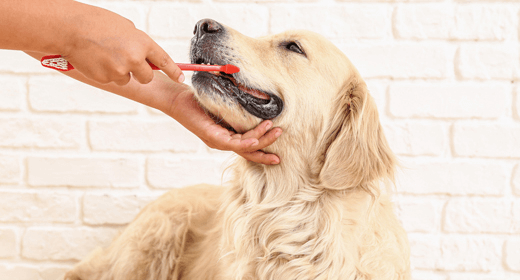
Oral care is a key component of your pet’s overall health: A smart regimen can help prevent the development of serious conditions. Keeping your pet’s teeth clean and bacteria-free results in more than just healthy teeth and fresh breath. With a little know-how and effort, you can protect your pet for a lifetime of companionship.
Tartar and gingivitis are the most common problems seen by veterinarians. The majority of dogs will develop these problems. Unchecked, these can lead to periodontitis and serious health concerns for your pet, up to and including, tooth loss and serious illness. But you can take action to control this and promote good oral health by incorporating the 3Ds: Daily Brushing, Dentistry. and Diet.
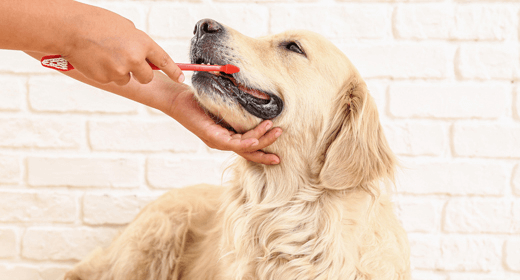
Daily brushing of your pet’s teeth will remove plaque and slow the development of tartar. When first beginning to brush, be gradual and make it a pleasant experience. Start by using your finger. Later, introduce a toothbrush. Be sure to praise and reassure your pet while brushing. Also, reward your pet afterward with play or a walk.
Talk with your veterinarian about annual or semiannual teeth cleaning—a dental prophylaxis or prophy for short. Teeth cleaning, performed by your veterinarian, is the only way to remove tartar.
Diet is important to good oral health. The mechanical, brushing action of dry, crunchy kibbles helps remove plaque and works to scrub teeth clean. Some diets also might include ingredients such as hexametaphosphate (HMP) that can help block tartar formation. Diet, daily brushing, and dentistry helps break the plaque-to- tartar cycle and optimize oral health.