Enter a keyword below to search for articles and products.
Antioxidants are naturally-occurring essential nutrients that help maintain your dog’s health by slowing the destructive oxidative process of cellular molecules. IAMS™ research has been focusing on advancing antioxidant nutrients for senior dogs — and the benefit is improved immune function. Discover how the antioxidants in IAMS™ products can benefit your dog’s health in a number of ways.
Antioxidants are found naturally in fruits and vegetables. Common antioxidants include vitamin A, vitamin C, vitamin E, and certain compounds called carotenoids (like lutein and beta-carotene). When antioxidants are a part of a dog’s complete diet, they can provide the following benefits:
As cells function normally in the body, they produce damaged molecules called free radicals. These free radicals are highly unstable and steal components from other cellular molecules such as fat, protein, or DNA, thereby spreading the damage.
This continues in a chain reaction, and causes cells to die. This process is called peroxidation. Peroxidation is useful because it helps the body destroy cells that have outlived their usefulness, and it kills germs and parasites. However, when left unchecked, peroxidation also destroys or damages healthy cells.
Antioxidants help prevent widespread cellular destruction by willingly donating components to stabilise free radicals. More importantly, antioxidants return to the surface of the cell to stabilise other cellular components.
When there are not enough antioxidants to hold peroxidation in check, free radicals begin damaging healthy cells, which can lead to problems. For example, free radical damage to immune cells can lead to an increased risk of infections.
Antioxidants offer countless benefits to our furry friends. And it is imperative that their food is loaded with it. Want to know why? Read on.
Antioxidants are a must for dogs as they are exposed to significantly more toxins than humans. These antioxidants work like protective agents within the dog’s body, battling free radicals that cause symptoms and diseases like skin problems.
Furthermore, giving liver antioxidants for dogs will boost liver health and eliminate toxins from their body more efficiently. The liver will convert fat-soluble toxins into water-soluble toxins to easily flush them from your pet’s body through the GI tract and kidneys.
Recent research has examined the benefits of certain antioxidants on the immune response of dogs, and the results of these studies indicated that antioxidants are important in helping dogs maintain a healthy immune system.
IAMS™ adult and puppy formulas contain optimal levels of antioxidants such as:
|
|---|
Now that you know how dog food with antioxidants can benefit your dog, here’s a list of the best antioxidants for dogs:
You can find natural antioxidants for dogs in the following:
The antioxidant content of plant-based foods is high. Foods that are highest in antioxidants are fruits and vegetables as they are loaded with vitamins and beneficial in countless ways. Some examples of excellent sources of antioxidants are blueberries, strawberries, pears, red cabbages, and kale. Make sure to check which fruits and vegetables are safe for your dog to consume.
Give your dog the best vitamins you can, so your pooch stays healthy. It is crucial that dogs receive a supplement that is specifically designed for their life stage.
Look for dog food with antioxidants and nutrients that are bioactive and bioavailable so that these get absorbed properly into your dog’s body. Make sure that the supplement you choose has the ideal ratio of natural elements for your pet’s needs. That can be accomplished by looking for a combination of prebiotics, antioxidants, vitamins, and minerals.
For a healthy body from the inside, you can also feed your pooch IAMSTM Proactive HealthTM dog food. Find the products that are best for your dog by shopping based on your pet’s age.
Fruits, nuts, berries, and vegetables are common foods that act as good sources of antioxidants. Giving your dog an antioxidant-rich diet will aid in the battle against oxidative stress and reduce the risk of any illnesses.
Foods such as organ meats, mushrooms, eggs, bone broth, and raw goat milk speed up the healing of cuts, wounds, and other injuries in dogs.
The benefits of antioxidants for dogs are innumerable; however, it is always advisable to consult your veterinarian on the right dosage of antioxidants for your pet.
Three of the most important antioxidant vitamins are Vitamin E+C, selenium, and beta-carotene.
Antioxidant-rich foods for dogs help prevent damages due to free radicals. An adequate intake of antioxidants can help boost your dog’s immunity.
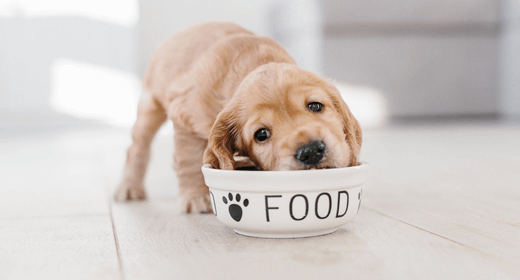
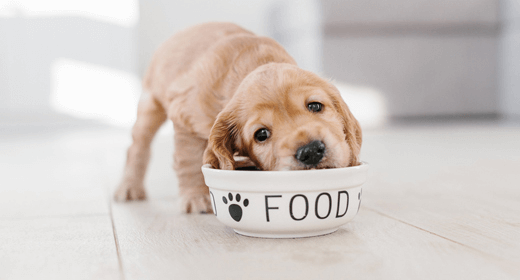
Even if a pet food is formulated to provide all of the essential nutrients required by a dog, it is of little value if the animal will not eat it. Quality pet foods are carefully formulated not only to be highly nutritious but also to be highly palatable.
Highly palatable dog food recipes contain various ingredients and raw materials, including palatants. Palatants help improve the smell, flavor, and texture of your dog’s food. Examples of palatants include fat, salt, proteins, yeasts, and other flavors that are added to make food taste better. Dry foods usually need extra palatants to make them more pleasant and appealing.
Palatability is a term used to describe how well a dog likes the taste, smell, and texture of a food. A premium dog-food manufacturer spends a considerable amount of time conducting controlled feeding studies to determine the right combination of ingredients and processing techniques to produce a nutritious, palatable food.
There are two ways to test and measure the palatability of a dog food:
First Bite: The first palatability test is called the “first bite” preference. This measures the dog's first impression of a food's aroma and appearance.
Total Volume: Because the novelty of a new diet can cause highs and lows in first-bite tests, a second test is conducted called “total volume” measurement. Total volume determines the staying power or ability of a diet to maintain the animal's interest over time. This is the dog’s overall choice of a food based on taste, texture, and nutrition for the entire test period.
Dogs can become picky eaters for a variety of reasons. Some of the reasons why dogs can become picky eaters include:
In comparison to humans, dogs have significantly more smell sensors than taste receptors. This implies that foods with stronger aromas tend to appeal to dogs more. While scent is crucial, less odorous meals like dry kibble can also improve your dog’s food palatability. A dog’s taste buds are hard-wired to sense the presence of fats as well as salt (but not necessarily salt flavor). Fat is frequently added to kibble to improve flavor and palatability without making the food stinky.
While taste and scent are some of the primary ways a dog decides if something is pleasant, palatability can also be influenced by a wide range of factors, such as the dog’s unique preferences and even the owner’s preference for meals and feeding times.
To make a dog eat food, you need to:
Everybody in the household needs to accept and follow the pet’s feeding plan from the beginning. You should be consistent and rigorously adhere to your dog's diet. If you decide to give your dog leftovers, choose to combine nutritious foods with kibble.
Offering your dog table scraps often promotes begging and throws off your pet’s diet. It can also lead to several health issues, including diarrhea and pancreatitis. Although human food is far more palatable, it is less healthy than canned or dry dog food.
Puppies need to be fed two to three times a day, or as your vet may prescribe. As they get older, you can gradually increase the serving size while offering meals just once or twice a week. Additionally, you must add some variety and deliver equal servings.

In order to obtain and interpret accurate results, palatability studies must be performed by experienced animal technicians and the data analyzed by research nutritionists. Feeding studies are conducted by offering an animal two bowls of food at the same time. Each bowl contains a different diet that has been carefully weighed and recorded.
The technician observes which food the dog chooses to eat first, and then records that as the first-bite preference. After a specific time period, bowls are removed, and any remaining food is weighed and recorded. Diets also are switched from left to right each day of the study to ensure that dogs are not eating one diet simply out of habit.
The total-volume measurement is determined by calculating the difference between the beginning and ending weights of each food. This procedure is repeated using the same two diets with the same group of dogs for five days. At the end of the five-day study, all observations and data are compiled and analyzed to determine the overall palatability of each diet.
Here is a quick look at some flavors that can appeal to your pet.
Meaty Flavor
Animal Fats
Gravy or Stews
Dogs are attracted by not only the taste of a food, but also to its sight, aroma, and texture. Dogs are particularly interested in the smell of food.
If you are wondering how to increase palatability of dog food, here are a few tips that might help.
Whether your pooch prefers dry or wet dog food, remember that the choice of protein is extremely essential. The most palatable dog foods are ones that are available in different meaty flavors such as lamb, beef, and chicken.
By adding fats, salts, and other additives, dry dog foods are made more palatable. Additionally, fats contribute a softer taste to the food which dogs tend to enjoy. In fact, canines find fats to be tasty and will actively seek this flavor in their meals. While the aim is to serve highly palatable dog food to your pet, do be sure to check the right amount of fat content with the veterinarian./p>
Another strategy for improving the taste of food is to add food additives. These can be actual meats that the dog owner adds to the dish such as boiled turkey or any flavored store-bought gravies.
Since many supplements aim to increase the nutritional value of food, they may include ingredients that are disliked by dogs. Try introducing liquid or soft treats to make dog food more palatable. There are also certain supplements which are tasty by nature. These can be used to enhance the flavor of dog food while maintaining nutritional value.
Liquid digest is simply protein that is enzymatically broken down into amino acids, which are the building blocks of protein. The enzymatic process reduces large protein pieces to smaller protein pieces and free amino acids. By adding small amounts of acid, the enzymatic or digestive reaction is stopped, and a stable liquid ingredient is produced. After a dry-food formula is cooked, formed into kibbles, and dried, the liquid digest is sprayed evenly on the outside of the dry kibbles. This is called “enrobing.” Not only does the liquid digest make the food highly palatable, but it also adds to the overall digestibility of the food.
Yes. We use liquid digest made from chicken to enhance the palatability of dry foods and to contribute to the nutritional value of the diet. Some pet foods include flavor enhancers, such as onion powder, which simply mask the aroma and taste of the ingredients and provide no nutritional benefits to the animal.