Enter a keyword below to search for articles and products.
Antioxidants are naturally-occurring essential nutrients that help maintain your dog’s health by slowing the destructive oxidative process of cellular molecules. IAMS™ research has been focusing on advancing antioxidant nutrients for senior dogs — and the benefit is improved immune function. Discover how the antioxidants in IAMS™ products can benefit your dog’s health in a number of ways.
Antioxidants are found naturally in fruits and vegetables. Common antioxidants include vitamin A, vitamin C, vitamin E, and certain compounds called carotenoids (like lutein and beta-carotene). When antioxidants are a part of a dog’s complete diet, they can provide the following benefits:
As cells function normally in the body, they produce damaged molecules called free radicals. These free radicals are highly unstable and steal components from other cellular molecules such as fat, protein, or DNA, thereby spreading the damage.
This continues in a chain reaction, and causes cells to die. This process is called peroxidation. Peroxidation is useful because it helps the body destroy cells that have outlived their usefulness, and it kills germs and parasites. However, when left unchecked, peroxidation also destroys or damages healthy cells.
Antioxidants help prevent widespread cellular destruction by willingly donating components to stabilise free radicals. More importantly, antioxidants return to the surface of the cell to stabilise other cellular components.
When there are not enough antioxidants to hold peroxidation in check, free radicals begin damaging healthy cells, which can lead to problems. For example, free radical damage to immune cells can lead to an increased risk of infections.
Antioxidants offer countless benefits to our furry friends. And it is imperative that their food is loaded with it. Want to know why? Read on.
Antioxidants are a must for dogs as they are exposed to significantly more toxins than humans. These antioxidants work like protective agents within the dog’s body, battling free radicals that cause symptoms and diseases like skin problems.
Furthermore, giving liver antioxidants for dogs will boost liver health and eliminate toxins from their body more efficiently. The liver will convert fat-soluble toxins into water-soluble toxins to easily flush them from your pet’s body through the GI tract and kidneys.
Recent research has examined the benefits of certain antioxidants on the immune response of dogs, and the results of these studies indicated that antioxidants are important in helping dogs maintain a healthy immune system.
IAMS™ adult and puppy formulas contain optimal levels of antioxidants such as:
|
|---|
Now that you know how dog food with antioxidants can benefit your dog, here’s a list of the best antioxidants for dogs:
You can find natural antioxidants for dogs in the following:
The antioxidant content of plant-based foods is high. Foods that are highest in antioxidants are fruits and vegetables as they are loaded with vitamins and beneficial in countless ways. Some examples of excellent sources of antioxidants are blueberries, strawberries, pears, red cabbages, and kale. Make sure to check which fruits and vegetables are safe for your dog to consume.
Give your dog the best vitamins you can, so your pooch stays healthy. It is crucial that dogs receive a supplement that is specifically designed for their life stage.
Look for dog food with antioxidants and nutrients that are bioactive and bioavailable so that these get absorbed properly into your dog’s body. Make sure that the supplement you choose has the ideal ratio of natural elements for your pet’s needs. That can be accomplished by looking for a combination of prebiotics, antioxidants, vitamins, and minerals.
For a healthy body from the inside, you can also feed your pooch IAMSTM Proactive HealthTM dog food. Find the products that are best for your dog by shopping based on your pet’s age.
Fruits, nuts, berries, and vegetables are common foods that act as good sources of antioxidants. Giving your dog an antioxidant-rich diet will aid in the battle against oxidative stress and reduce the risk of any illnesses.
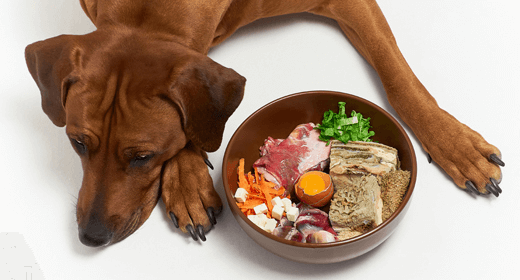
Foods such as organ meats, mushrooms, eggs, bone broth, and raw goat milk speed up the healing of cuts, wounds, and other injuries in dogs.
The benefits of antioxidants for dogs are innumerable; however, it is always advisable to consult your veterinarian on the right dosage of antioxidants for your pet.
Three of the most important antioxidant vitamins are Vitamin E+C, selenium, and beta-carotene.
Antioxidant-rich foods for dogs help prevent damages due to free radicals. An adequate intake of antioxidants can help boost your dog’s immunity.
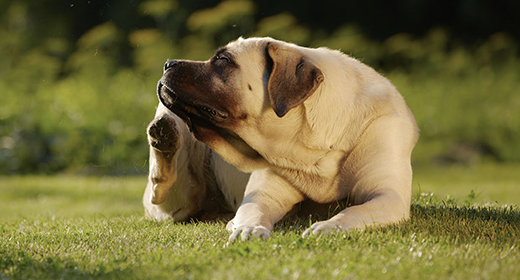
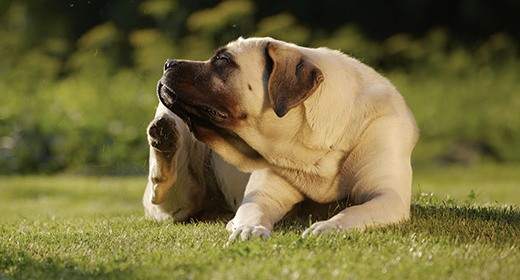
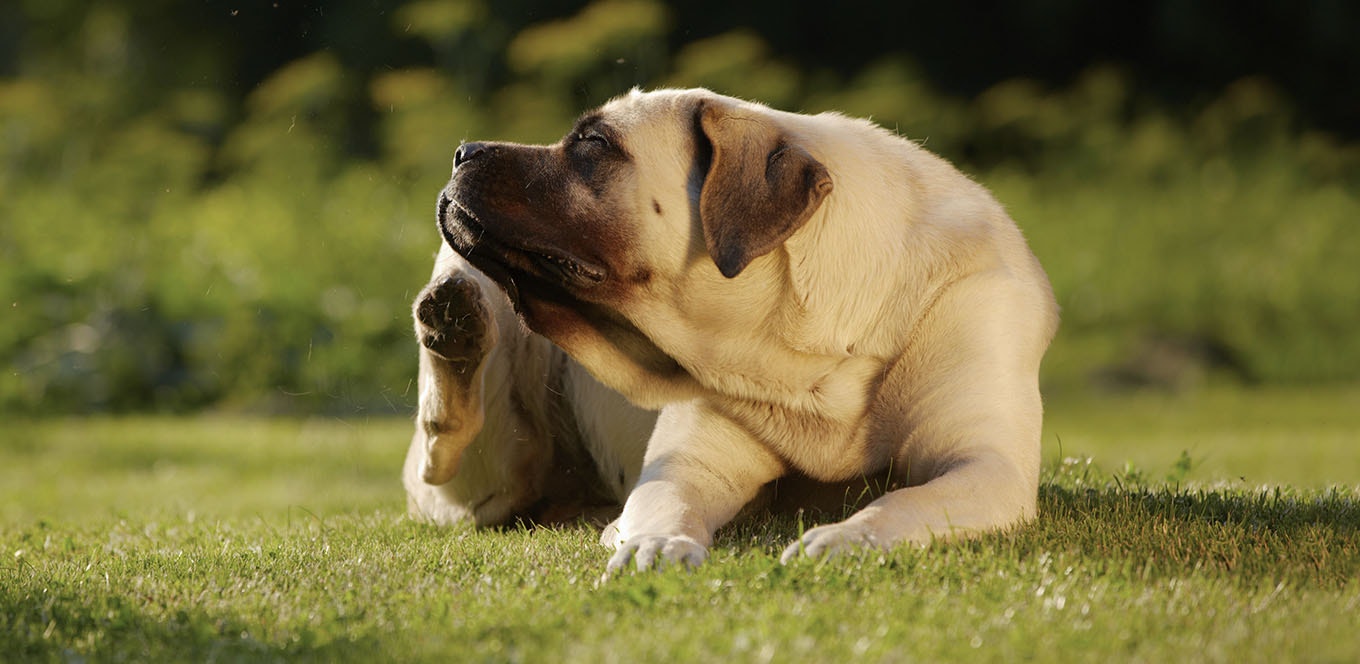
Is your dog always scratching, chewing, itching, or licking itself? Nibbling on its paws like they've been smeared with peanut butter? Although it may appear adorable at first, these are all indications that your dog is allergic.
Dog allergies are very common, and they are one of the primary causes of veterinary visits. Usually, their skin and ears are the most affected areas. Just as they are for humans, environmental and seasonal allergies can cause some discomfort and be an issue for dogs. While allergies in people tend to improve, allergies in dogs often worsen with age.
But how can you tell whether your dog is allergic to something and what's causing it? Unfortunately, correctly diagnosing these symptoms as allergies is not really simple. Your dog can't tell you what's wrong. So, it's up to you, the pet parent, to spot the signs.
The human animal isn’t the only one affected by allergies. Like you, your adult dog can suffer from allergic reactions to any number of things—in the air, on his skin, and in his food. Allergies must be diagnosed and treated by your veterinarian, but first, you must know what to look for.
Therefore, to relieve your furball from all the discomfort caused by allergies, here are some dog allergy symptoms you should watch out for:
In dogs, there are many kinds of allergies. They are:
Environmental allergens such as mold, dust, and pollen can cause severe allergies in dogs, also known as atopic dermatitis. They are triggered by elements found in your home or backyard, or wherever else your dog spends time. Dogs either ingest these allergens like pollen, or they get absorbed into their skin when they come into contact with them. Its ears and paws are the most affected regions; however, it can also affect the muzzle, wrists, ankles, eyes, underarms, crotch, and in between the toes.
An allergic reaction caused by flea bites is one of the most common dog allergies. Plus, flea saliva is also thought to be an allergen in dogs, causing extreme itching. Your dog's skin may become inflamed, red, and scabbed as a result of this, especially near the base of the tail.
Itchy skin in dogs is caused by sensitivities and food allergies. Allergenic protein sources such as beef (34%), dairy products (17%), and chicken (15%) can cause severe food allergies. However, dogs tend to develop a food allergy at any time in their lives, regardless of whether they had previously consumed any type of food from any brands.
Inhalant allergies in dogs are caused by the same common allergens that affect you—dust, grass, trees, mold, pollen, ragweed, etc. They can be seasonal or persistent and, while some breeds (especially short-snouted breeds) might experience the same sniffly, sneezy symptoms you might suffer, skin reactions are most common. Inhalant allergies often can be treated with the same medications you take, but please don’t treat your dog’s allergies without veterinary supervision.
Allergies can vary from dog to dog, so it is important that you work with your vet to make sure your dog gets the best possible treatment. You’ll both be happier for it.
Excessive itching affects the majority of dogs at some stage in their life. A dog with pruritus will bite, scratch, or lick its skin excessively. Itching is referred to as pruritus in medical terms and is one of the most common dog allergy symptoms. It is also a primary factor why dog owners seek veterinarian care.
If your dog licks its skin frequently or incessantly, especially its feet, it's a sign of allergies. The condition could be caused by irritants present in your home or while you go out for walks with your dog. However, it could also be a sign of your furball’s food allergies.
Feet chewing is another prevalent dog allergic reaction. Your dog chews its feet because of an allergy to grass or other environmental pollutants like pollen or dust mites. Inflammation and irritation occur when an allergen comes in touch with its skin. As a result, the skin in the affected area becomes unbearable, and the dog begins to gnaw.
Your dog may have an allergy if you observe it itching a lot or if you notice redness on its skin. These allergic reactions are common in all sorts of dog allergies. If they are the only symptoms you're observing in your dog, you can wait a day or two before making an appointment with your vet.
It can take a little practice to figure out different ways to help alleviate your dog's allergy issues. One effective method is to frequently bathe your dog with hypoallergenic shampoos. This will help remove allergens such as grass or pollen from your dog's body.
Flea control is also necessary to reduce allergy symptoms in a flea-allergic dog. Fleas must be inevitably treated in a dog's environment as well. Vacuum properly to eliminate the eggs and larvae, then discard the vacuum bag. Insecticides can be used both inside and outside your home to keep fleas at bay. In addition to that, hypoallergenic diets make for great dog allergy remedies. These diets contain fewer ingredients with a unique protein source, or they are processed in a specific way to reduce allergic reactions. Consult your vet for advice on the best diet for your pet. But remember that during the trial period, flavored drugs, treats, and human meals must be avoided.
The English Bulldog is a short-haired breed that sheds moderately. Although it sheds hair all year, that isn’t the only allergy issue. These dogs drool a lot, and as the saliva dries and releases proteins into the air, it might induce an allergic reaction in them.
An activated immune system in American bulldogs can cause allergies. If your dog has signs like itchy skin, redness, or licking its paws, you know that your dog is allergic.
The most prevalent dog allergies in Bichon Frises are contact allergies that develop skin problems as well as food allergies. They are also allergic to flea bites and allergens in the air, such as flowers, grass, dust, and trees.
These dogs are also susceptible to contact allergies. They are allergic reactions to objects they come into contact with, including houseplants, cleaning detergents, and even some dog shampoos. Symptoms are more likely to be seen on the skin, so look for redness, flakiness, or a rash in the paws, belly folds, and ears.
Keep an eye out for food allergies and environmental sensitivities that damage their skin. Boxers are especially sensitive to dog food that contains a lot of grains, such as wheat, or corn. Allergies from pollen, trees, dust, and weeds, can affect them at any time of year.
Mold spores are everywhere around us. When inhaled by your dog, it can cause labored breathing, wheezing, and even coughing. Dog allergies are also trigged by eating or living in a moldy home. Excessive chewing, scratching, and dry or scaly skin are some of its common symptoms.
When your dog's oil glands overproduce an oil called sebum, dandruff develops. This oil helps moisturize your adorable pup's skin and adds to its overall wellness. But, when the sebaceous glands generate too much oil, an imbalance occurs, resulting in pet dander.
When fleas feed on your dog, they inject their saliva into your dog’s skin. This saliva can cause an inflammatory reaction in your dog, causing it to excessively itch its skin.
Dust mite allergies are caused by small spider-like insects that reside in houses and consume skin dander.
Unfortunately, dog allergies are incurable and unavoidable. However, you can do things to help them manage their symptoms and suffering. To begin, you must first determine the root reason, which could be flea-related, seasonal, food-related, or something else entirely. Then, you can help your dog avoid these allergies. Keep an eye out for itches and treat them immediately to avoid irritated, infected skin and ears.
You can protect your dog from allergies by avoiding the allergens. Or else, you should regularly clean the air and other surfaces in your home. Additionally, bathing your dog with medicated shampoos for dogs with allergies can help alleviate the symptoms.
The most common dog allergies are:
Dog allergy remedies can be quite beneficial for their skin. Some of them include:
Allergies in dogs are almost always incurable. However, with the help of your veterinarian and a little patience, you can come up with a treatment and management plan that will keep your dog healthy and symptom-free.