Enter a keyword below to search for articles and products.
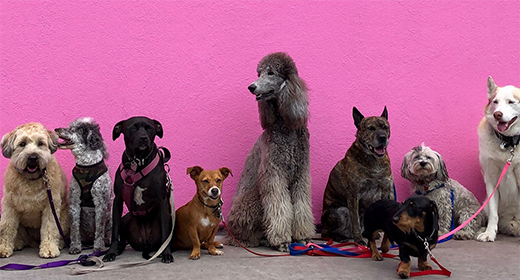
Antioxidants are naturally-occurring essential nutrients that help maintain your dog’s health by slowing the destructive oxidative process of cellular molecules. IAMS™ research has been focusing on advancing antioxidant nutrients for senior dogs — and the benefit is improved immune function. Discover how the antioxidants in IAMS™ products can benefit your dog’s health in a number of ways.
Antioxidants are found naturally in fruits and vegetables. Common antioxidants include vitamin A, vitamin C, vitamin E, and certain compounds called carotenoids (like lutein and beta-carotene). When antioxidants are a part of a dog’s complete diet, they can provide the following benefits:
As cells function normally in the body, they produce damaged molecules called free radicals. These free radicals are highly unstable and steal components from other cellular molecules such as fat, protein, or DNA, thereby spreading the damage.
This continues in a chain reaction, and causes cells to die. This process is called peroxidation. Peroxidation is useful because it helps the body destroy cells that have outlived their usefulness, and it kills germs and parasites. However, when left unchecked, peroxidation also destroys or damages healthy cells.
Antioxidants help prevent widespread cellular destruction by willingly donating components to stabilise free radicals. More importantly, antioxidants return to the surface of the cell to stabilise other cellular components.
When there are not enough antioxidants to hold peroxidation in check, free radicals begin damaging healthy cells, which can lead to problems. For example, free radical damage to immune cells can lead to an increased risk of infections.
Antioxidants offer countless benefits to our furry friends. And it is imperative that their food is loaded with it. Want to know why? Read on.
Antioxidants are a must for dogs as they are exposed to significantly more toxins than humans. These antioxidants work like protective agents within the dog’s body, battling free radicals that cause symptoms and diseases like skin problems.
Furthermore, giving liver antioxidants for dogs will boost liver health and eliminate toxins from their body more efficiently. The liver will convert fat-soluble toxins into water-soluble toxins to easily flush them from your pet’s body through the GI tract and kidneys.
Recent research has examined the benefits of certain antioxidants on the immune response of dogs, and the results of these studies indicated that antioxidants are important in helping dogs maintain a healthy immune system.
IAMS™ adult and puppy formulas contain optimal levels of antioxidants such as:
|
|---|
Now that you know how dog food with antioxidants can benefit your dog, here’s a list of the best antioxidants for dogs:
You can find natural antioxidants for dogs in the following:
The antioxidant content of plant-based foods is high. Foods that are highest in antioxidants are fruits and vegetables as they are loaded with vitamins and beneficial in countless ways. Some examples of excellent sources of antioxidants are blueberries, strawberries, pears, red cabbages, and kale. Make sure to check which fruits and vegetables are safe for your dog to consume.
Give your dog the best vitamins you can, so your pooch stays healthy. It is crucial that dogs receive a supplement that is specifically designed for their life stage.
Look for dog food with antioxidants and nutrients that are bioactive and bioavailable so that these get absorbed properly into your dog’s body. Make sure that the supplement you choose has the ideal ratio of natural elements for your pet’s needs. That can be accomplished by looking for a combination of prebiotics, antioxidants, vitamins, and minerals.
For a healthy body from the inside, you can also feed your pooch IAMSTM Proactive HealthTM dog food. Find the products that are best for your dog by shopping based on your pet’s age.
Fruits, nuts, berries, and vegetables are common foods that act as good sources of antioxidants. Giving your dog an antioxidant-rich diet will aid in the battle against oxidative stress and reduce the risk of any illnesses.
Foods such as organ meats, mushrooms, eggs, bone broth, and raw goat milk speed up the healing of cuts, wounds, and other injuries in dogs.
The benefits of antioxidants for dogs are innumerable; however, it is always advisable to consult your veterinarian on the right dosage of antioxidants for your pet.
Three of the most important antioxidant vitamins are Vitamin E+C, selenium, and beta-carotene.
Antioxidant-rich foods for dogs help prevent damages due to free radicals. An adequate intake of antioxidants can help boost your dog’s immunity.


Dogs bring us immense joy and companionship, and we naturally want them to live happy and healthy lives. However, a hidden threat lurks in the shadows, capable of jeopardising the health of our furry friends: infestations of fleas and ticks. These tiny parasites, barely visible to the naked eye, pose a significant danger, requiring our vigilance and prompt action to protect the ones we love.
To effectively protect your dog, it's crucial to understand the lifecycles of these parasites.
Fleas have a four-stage life cycle:
Ticks, while different in their lifecycle, pose a similar threat. They follow these stages:
Early detection is key in managing these parasites.
Fleas are small, wingless insects that feed on the blood of dogs. They can cause various problems for your dog, including:
Ticks are larger than fleas and have eight legs. They latch onto your dog's skin and feed on their blood. Ticks can transmit various diseases to dogs, including Lyme disease, anaplasmosis, and Rocky Mountain spotted fever. Here are some signs of ticks on your dog:
Once you've identified an infestation, prompt and effective treatment is essential.
When dealing with fleas on dogs, a multi-pronged approach is often necessary. Here are some effective options:
Consulting your veterinarian is crucial when choosing a flea treatment, as they can recommend the most appropriate option based on your dog's age, breed, and specific needs.
If you find a tick attached to your dog, it's essential to remove it promptly and safely. Here's how:
Monitor your dog for any signs of infection, such as redness, swelling, or fever. If you notice any concerns, consult your veterinarian immediately.
Important tip: Avoid using home remedies like petroleum jelly or matches to remove ticks, as these can cause the tick to release more saliva and potentially increase the risk of disease transmission.
A proactive approach is the best way to protect your dog from these pests.
Protecting your dog from fleas and ticks is crucial for their health and well-being. By implementing a regular prevention routine, combining medication with vigilance and proper hygiene, you can keep your furry friend safe and comfortable. Remember, consulting your veterinarian for personalised advice is the best way to ensure the most effective approach for your dog's specific needs.