Enter a keyword below to search for articles and products.
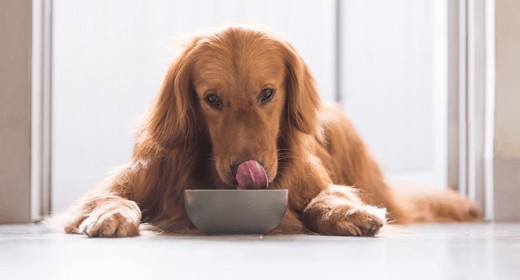
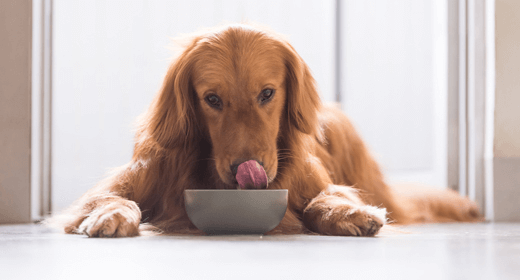
As your dog matures, his body functions change. He might have decreased immune-system function, deterioration of skin and coat quality, and more frequent intestinal problems. So it makes sense that what a mature dog eats might also need to change.
Throughout a dog's life, a process called peroxidation occurs. This is a normal process the body uses to destroy cells that outlive their usefulness and to kill germs and parasites, but this process also can destroy or damage healthy cells. As a dog ages, the damage caused by peroxidation accumulates and, in turn, increases the risk of certain problems such as infections.
Antioxidants are naturally occurring components in the body (but also can be acquired through diet). They help maintain overall health by neutralizing the peroxidation process of cellular molecules.
Research sponsored by IAMS™ found that dogs fed a diet rich in antioxidants such as vitamin E had improved immune responses and vaccine recognition. This might be especially important for mature/senior dogs, because IAMS research has found that, as dogs age, immune responses can decrease.
Eating a complete and balanced diet with omega-3 fatty acids, such as those found in vitamin-rich fish oils, also helps rejuvenate dry skin and develop a healthy, lustrous coat.
Aging dogs might have higher numbers of unfavorable bacteria and lower numbers of beneficial bacteria in their intestines, which can result in clinical signs of gastrointestinal problems (such as diarrhea). A diet with a moderately fermentable fiber source such as beet pulp can help maintain intestinal health. Beet pulp provides energy for the cells lining the intestine and promotes proper stool formation.
Different dogs show signs of aging at different times, and much of this variation is associated with size. Larger dogs generally appear mature/senior sooner than smaller dogs. The table below can show you when your dog should start a mature diet with a food such as IAMS ProActive Health™ Mature Adult.
Dog Weight and Transition to Mature/Senior Foods
| Weight Range | Age to Begin Transition |
|---|---|
| More than 90 lbs | 5 years |
| 51 to 90 lbs | 6 years |
| 21 to 50 lbs | 7 years |
| Up to 20 lbs | 7 years |


Teeth are important players in the digestive process.
As teeth grind up food, debris accumulates on the tooth surface and attracts bacteria. This accumulation of debris and bacteria is called plaque. Plaque is easily removed from teeth by brushing—that is, when teeth are brushed frequently.
If the plaque isn't brushed away, mineral deposits cause it to harden on the teeth. This is called tartar. Dark yellow or brown accumulations on the teeth are indicators of tartar, which is difficult to remove.
If left untreated, plaque can lead to damage of the gums (gingivitis) or the jawbones and teeth (periodontitis).
Keeping a pet’s teeth and gums healthy involves regular brushing and professional cleaning. Unfortunately, many owners have problems brushing their dogs’ teeth on a regular basis.
Special diets also can help reduce tartar buildup between cleanings. Most dental diets are formulated with a tough kibble that is texturized to scrape off some plaque.
Our dental technology uses a patent-pending manufacturing process that enables dry-food kibbles to control tartar buildup. This process does not affect the nutrient content of the food or the size of the kibbles.
IAMS™ researchers have looked at the effects of feeding dogs dry diets with our dental technology. In each of these studies, two groups of animals were fed our formula, either with (control) or without our dental technology.
All animals had their teeth thoroughly cleaned.
After 28 days of eating one diet, animals’ teeth were examined for tartar.
All animals then received another thorough cleaning.
Then diets were switched for another feeding period.
In dogs, the diets featuring our dental technology reduced tartar accumulation as much as 50% compared to dogs fed the control diet.'