Enter a keyword below to search for articles and products.
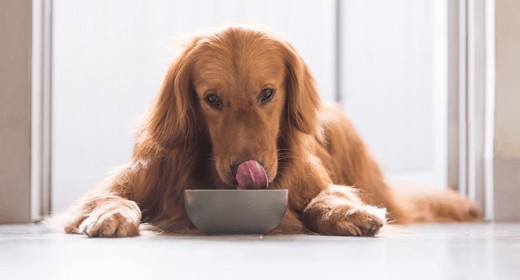
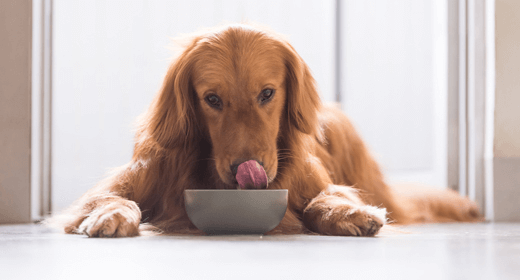
As your dog matures, his body functions change. He might have decreased immune-system function, deterioration of skin and coat quality, and more frequent intestinal problems. So it makes sense that what a mature dog eats might also need to change.
Throughout a dog's life, a process called peroxidation occurs. This is a normal process the body uses to destroy cells that outlive their usefulness and to kill germs and parasites, but this process also can destroy or damage healthy cells. As a dog ages, the damage caused by peroxidation accumulates and, in turn, increases the risk of certain problems such as infections.
Antioxidants are naturally occurring components in the body (but also can be acquired through diet). They help maintain overall health by neutralizing the peroxidation process of cellular molecules.
Research sponsored by IAMS™ found that dogs fed a diet rich in antioxidants such as vitamin E had improved immune responses and vaccine recognition. This might be especially important for mature/senior dogs, because IAMS research has found that, as dogs age, immune responses can decrease.
Eating a complete and balanced diet with omega-3 fatty acids, such as those found in vitamin-rich fish oils, also helps rejuvenate dry skin and develop a healthy, lustrous coat.
Aging dogs might have higher numbers of unfavorable bacteria and lower numbers of beneficial bacteria in their intestines, which can result in clinical signs of gastrointestinal problems (such as diarrhea). A diet with a moderately fermentable fiber source such as beet pulp can help maintain intestinal health. Beet pulp provides energy for the cells lining the intestine and promotes proper stool formation.
Different dogs show signs of aging at different times, and much of this variation is associated with size. Larger dogs generally appear mature/senior sooner than smaller dogs. The table below can show you when your dog should start a mature diet with a food such as IAMS ProActive Health™ Mature Adult.
Dog Weight and Transition to Mature/Senior Foods
| Weight Range | Age to Begin Transition |
|---|---|
| More than 90 lbs | 5 years |
| 51 to 90 lbs | 6 years |
| 21 to 50 lbs | 7 years |
| Up to 20 lbs | 7 years |
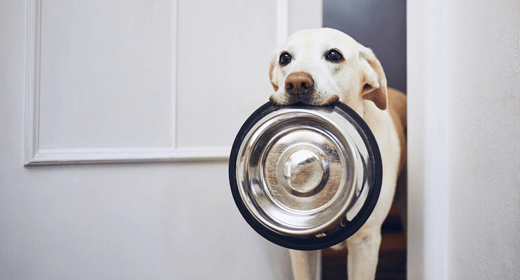
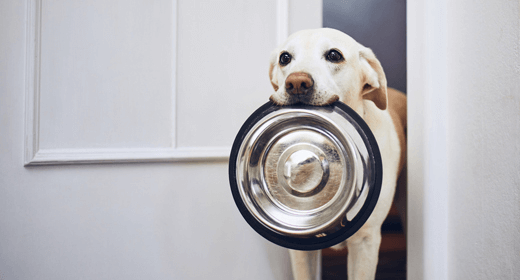
A product code is a series of numbers and letters printed on the outer package of each product that a manufacturer produces to provide information about when the product was made.
As part of the product code, products manufactured by The IAMS™ Company include a 'Best Used By' date, or the date at which the product is no longer considered fresh and should no longer be sold. This date is expressed in “ddmmyy” and “ddmmmyy” formats (line 1 below).
The second line represents company internal information for use in traceability and inventory control (line 2).
Depending upon the production line, pouch products might have code date information in a single or double line.
By recognizing and understanding these codes, customers can make sure they are receiving a fresh product.
Shelf life is the duration, measured in months, during which a product that is stored properly maintains its freshness. This means that if a product has a 16-month shelf life, it is fresh for up to 16 months from the date of manufacture.
The shelf life for our dry dog and cat foods is 16 months. All canned and pouch formulas have a shelf life of 24 months. Biscuits have a 12-month shelf life, and sauce formulas have a 16-month shelf life.
Unopened dry products are best stored off of the floor in a cool, dry place. Open bags of food should be stored in a clean, dry container with a tight seal. Dry products also might be frozen without loss of nutrients.
Opened wet products are best kept refrigerated in tightly sealed containers for no more than three days after the can has been opened. Wet products should not be frozen in unopened cans or pouches. However, wet foods can be frozen if removed from the container, packed in freezer containers and frozen immediately.