Enter a keyword below to search for articles and products.
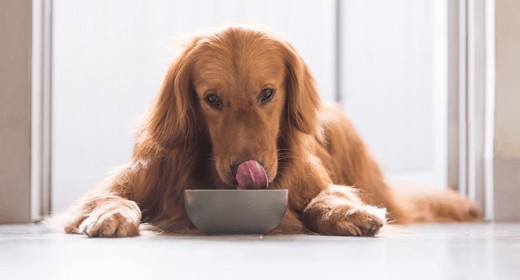
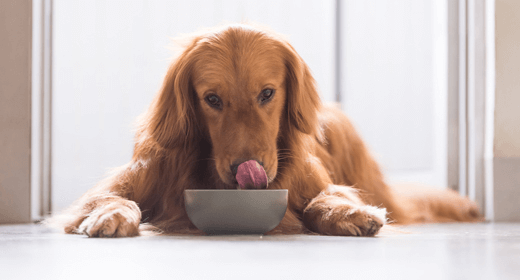
As your dog matures, his body functions change. He might have decreased immune-system function, deterioration of skin and coat quality, and more frequent intestinal problems. So it makes sense that what a mature dog eats might also need to change.
Throughout a dog's life, a process called peroxidation occurs. This is a normal process the body uses to destroy cells that outlive their usefulness and to kill germs and parasites, but this process also can destroy or damage healthy cells. As a dog ages, the damage caused by peroxidation accumulates and, in turn, increases the risk of certain problems such as infections.
Antioxidants are naturally occurring components in the body (but also can be acquired through diet). They help maintain overall health by neutralizing the peroxidation process of cellular molecules.
Research sponsored by IAMS™ found that dogs fed a diet rich in antioxidants such as vitamin E had improved immune responses and vaccine recognition. This might be especially important for mature/senior dogs, because IAMS research has found that, as dogs age, immune responses can decrease.
Eating a complete and balanced diet with omega-3 fatty acids, such as those found in vitamin-rich fish oils, also helps rejuvenate dry skin and develop a healthy, lustrous coat.
Aging dogs might have higher numbers of unfavorable bacteria and lower numbers of beneficial bacteria in their intestines, which can result in clinical signs of gastrointestinal problems (such as diarrhea). A diet with a moderately fermentable fiber source such as beet pulp can help maintain intestinal health. Beet pulp provides energy for the cells lining the intestine and promotes proper stool formation.
Different dogs show signs of aging at different times, and much of this variation is associated with size. Larger dogs generally appear mature/senior sooner than smaller dogs. The table below can show you when your dog should start a mature diet with a food such as IAMS ProActive Health™ Mature Adult.
Dog Weight and Transition to Mature/Senior Foods
| Weight Range | Age to Begin Transition |
|---|---|
| More than 90 lbs | 5 years |
| 51 to 90 lbs | 6 years |
| 21 to 50 lbs | 7 years |
| Up to 20 lbs | 7 years |


In the realm of pet care and canine health, certain nutrients often take centre stage, and one such nutrient is vitamin E for dogs. While it might get as much attention as the other vitamins, the impact of vitamin E on your dog's well-being is significant. From bolstering their immune system to promoting a lustrous coat, this nutrient plays a crucial role in keeping your furry friend in top-notch condition. Join us as we delve into the world of vitamin E for dogs, exploring its multifaceted benefits and uncovering the sources that can contribute to your pup's overall vitality.
Vitamin E, a fat-soluble antioxidant, is a vital player in the health of both humans and our four-legged friends. Grouped into tocopherols and tocotrienols, this nutrient operates as a stalwart defender against free radicals, those troublemakers causing oxidative stress in the body. In simpler terms, it is a guardian of cells. Vitamin E for dogs supports immune function, maintaining skin health, and even contributing to good vision. The catch is that dogs cannot generate vitamin E in their systems, so it is on us, the providers of kibble and treats, to ensure they get their dose.
Absolutely, dogs can and should have vitamin E as part of their dietary intake. Since our furry friends cannot produce this essential nutrient internally, it becomes crucial to incorporate it into their meals. Dog foods often include vitamin E, but if you are preparing homemade meals or noticing a lack in their diet, supplementation may be necessary. This vitamin is not only a defender against oxidative stress but also contributes to the maintenance of healthy skin, a shiny coat, and a robust immune system. While moderation is key in all things, ensuring your canine companion gets an appropriate amount of vitamin E can significantly contribute to their overall health and well-being. Always consult with your veterinarian to determine the right balance for your specific dog's needs.
Without a doubt, vitamin E is exceptionally beneficial for dogs. Its antioxidant properties play a pivotal role in protecting their cells from damage caused by free radicals, contributing to the prevention of various health issues. This nutrient is particularly crucial for bolstering their immune system, promoting skin health, and ensuring a shiny coat. Dogs experiencing deficiencies in vitamin E may exhibit symptoms such as dull coats, muscle weakness, and impaired vision. Incorporating an adequate amount of vitamin E into your dog's diet can be a proactive step in maintaining their overall health and vitality. However, as with any nutritional component, it is important to strike the right balance, and consulting with your veterinarian is advisable to tailor your dog's diet to their specific needs.
Vitamin E is an essential nutrient for dogs. From fortifying cellular defences to enhancing skin and coat brilliance, it offers countless benefits. So, let us understand the crucial role of vitamin E for puppies and dogs in their well-being:
Vitamin E acts as a stalwart defender, neutralising free radicals that can damage cells over time. By doing so, it helps maintain the structural integrity of cells and supports overall cellular health in your dog.
A robust immune system is crucial for your dog's well-being. Vitamin E enhances the production of immune cells, fortifying your dog's defence mechanisms and aiding in the prevention of infections and illnesses.
Vitamin E for a dog’s skin is nothing short of magic, contributing to the maintenance of healthy skin. It helps alleviate dryness and irritation, making it particularly beneficial for dogs prone to skin allergies or dermatological issues.
The link between a shiny coat and good health is well-established. Vitamin E for puppies and dogs plays a huge role in promoting skin health and hydration directly contributes to the vibrant, glossy appearance of your dog's coat.
In the realm of ocular health, vitamin E plays a role in maintaining good vision in dogs. Its antioxidant properties extend to the eyes, helping to protect against age-related degeneration.
Supporting the health of muscles and nerves, vitamin E for dogs benefits your baby’s overall mobility and vitality. This is particularly important for active dogs and those engaged in regular physical activities.
For breeding dogs, vitamin E is essential for reproductive health. It aids in fertility and ensures the healthy development of embryos, supporting a smooth reproductive process in females.
In conditions like arthritis, where inflammation is a concern, vitamin E's anti-inflammatory properties can be beneficial. It may help manage inflammation and alleviate discomfort in dogs with joint issues.
Incorporating vitamin E into your dog's diet offers a holistic approach to their health, addressing various aspects from the cellular level to visible markers like coat condition. As always, consulting with your veterinarian ensures a tailored and effective approach based on your dog's unique needs.
As we curate the perfect blend of flavour and nutrition for our furry companions, let's explore a canine culinary journey featuring vitamin E-rich ingredients. From eggs to safflower oil, each element not only tantalises your dog's taste buds but also delivers the essential goodness of vitamin E, contributing to their overall well-being in delightful bites.
In the nutritional narrative for our canine friends, vitamin E emerges as a hero, weaving a tale of immune resilience, skin radiance, and overall vitality. Its antioxidant prowess safeguards cells, ensuring a robust foundation for your dog's well-being. As you curate their meals, let vitamin E take the centre stage, offering not just nourishment but a key ingredient in the recipe for a thriving, tail-wagging companion.