Enter a keyword below to search for articles and products.
Picking the right food for your pup is key to ensuring its healthy growth. While both puppy food and adult dog food seem similar, they serve different nutritional purposes tailored to distinct life stages. Understanding this disparity is vital in guaranteeing the overall well-being of your beloved companion.
Puppies are more than just mini versions of adult dogs. Their nutritional needs are unique and crucial for their growth spurt and cognitive development. Specifically designed with the perfect blend of proteins, fats, vitamins, and minerals, puppy food supports bone and muscle growth. With their endless energy, they need the extra calories that puppy food provides. Plus, the added dose of nutrients like calcium and phosphorus is essential for strong bone development. So, stick to puppy food until your furball hits full physical maturity, ensuring a strong and healthy foundation for their adult life.
When a puppy can eat adult dog food isn't a one-size-fits-all deal. It is a gradual process that demands attention to your dog's unique traits. Generally, it is wise to make the switch when your pooch is about 80-90% of its expected adult size. But remember, a sudden change can upset their tummy.
To ease the shift, start by mixing small portions of adult food with their usual puppy fare. Over a week or two, increase the adult food ratio until your dog is entirely comfortable with the new diet. Don't forget to consult your vet to ensure a smooth transition and a lifelong, balanced diet for your four-legged friend.
When figuring out when to transfer to adult dog food, the size of your growing dog plays a crucial role. Given below is a comprehensive guide:
At IAMS, we offer a range of adult dog food that are rich in nutrients like protein, vitamins, minerals and more to provide your pooch with a complete and balanced meal. We have specialised recipes for each breed, targeting the specific nutritional needs of small, medium, and large sized dogs.
As your canine companion transitions from the puppy stage to adulthood, providing it with an appropriate diet becomes crucial for its long-term health and well-being. Adult dog food serves as a vital component in ensuring that your dog receives the necessary nutrients to maintain optimal health and vitality. Here are some key reasons why adult dog food is essential for your furry friend's overall wellness:
So, as your dog grows, make sure its diet grows as well. With the right adult dog food, tailored to its needs, you are laying the foundation for a life full of tail wags and playful barks.
Transitioning your furry friend from puppy to adult dog food is not just about changing what is in the bowl; it is a gradual adjustment that involves considering evolving nutritional needs, portion sizes, meal frequencies, and more. Here is a structured guide to help you ease your pup into their new diet over a 10-day period:
Start by mixing 75% of the puppy food with 25% of the new adult dog food. This allows your pup to get accustomed to the new flavours and textures while maintaining some familiarity with the old food.
Increase the proportion of adult dog food to 50% while decreasing the puppy food to 50%. This step continues the gradual transition, helping your dog's digestive system adapt to the new food without causing any sudden upsets.
Continue the transition by serving 75% of the new adult dog food mixed with 25% of the remaining puppy food. This step allows their taste buds to fully adjust to the new diet while ensuring a smooth transition without any digestive disturbances.
By this point, your pup should be ready to completely switch to adult dog food. Serve only the new adult dog food, ensuring that the portion size is appropriate for its age, size, and activity level. Maintain the recommended feeding schedule based on specific dietary needs.
Throughout the transition period, closely monitor your dog's eating habits, energy levels, and overall well-being. If you notice any digestive issues or reluctance to eat, slow down the process and give it more time to adjust. Providing plenty of fresh water and sticking to a consistent feeding schedule will help make the transition as smooth as possible for your beloved canine companion.
Remember, a smooth transition from puppy to adult dog food is all about taking it slow and steady. By gradually introducing the new food over a 10-day period, you give your pup's digestive system the time it needs to adjust without causing any discomfort. Keep a close eye on its response throughout the process, and do not hesitate to make adjustments if necessary. With patience and careful monitoring, you can ensure that your loyal companion makes a seamless shift to their new, adult-dog-friendly diet.
Puppies should not eat adult dog food as it lacks essential nutrients for their growth. Choose puppy-specific food until adulthood.
A 5-month-old puppy should eat high-quality puppy food rich in protein and essential nutrients, promoting healthy growth and development.
Dogs are typically considered puppies from birth to one year, although this can vary based on breed size.
The right age to switch your pooch from puppy food to adult dog food can vary basis multiple factors. However, here’s how these furry beings are generally switched to adult dog food basis their breed size.
Breed Size | Age |
Small | 9 to 12 months old |
Medium | 10 to 12 months old |
Large | 12 to 16 months old |
Giant | 18 to 24 months old |
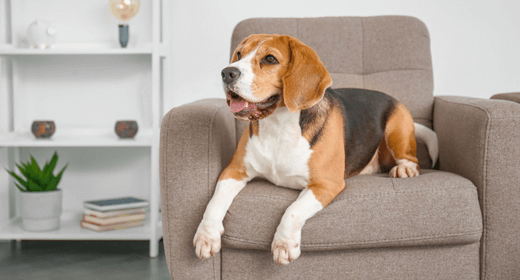
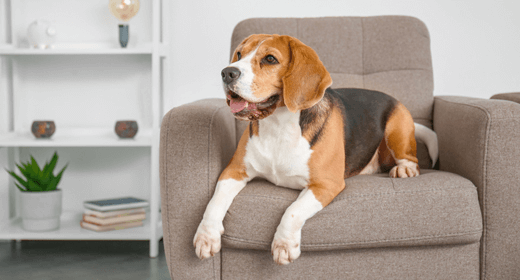
Between 25 and 40% of dogs are overweight, but often, owners don't know it until they take their dog to the veterinarian for another reason. Yet, even veterinarians can't tell if a dog is fat just by its weight. Ideal weight varies by breed, and quite widely within breeds. There's no ideal weight chart for all dogs!
You can judge your dog's condition by placing your hands on each side of his rib cage. Are the ribs protruding? Your dog may be too thin. Can you feel individual ribs easily, and is your dog's abdomen slightly tucked up when viewed from the side? That's the sign of ideal weight. If you can't feel the ribs easily, your dog has no waist, and his abdomen drags, he's too fat. Your veterinarian can help you further evaluate your dog's weight.
Before beginning any weight loss program with your dog, discuss it with your veterinarian.
You can begin your dog's weight-loss program by reducing caloric intake by 25% of his maintenance intake, and then decrease it by 10% increments every two to three weeks until a 1% weight loss per week is achieved. This means that, if your dog weighs 15 pounds, a 1% loss would be about 2-1/2 ounces.
If you feed one large meal a day or keep food available at all times, try dividing the daily ration into several small meals (at least two meals a day) and pick up what has not been eaten 30 minutes after each meal.
Dogs gain weight for the same reason that people do—they eat more calories than they use. Today's dogs share another problem with their parents: lack of activity. Most parents are gone all day and come home too tired to play with the dog.
Also, as dogs age, or after they are spayed or neutered, their metabolism might slow causing them to require less food.
Another reason for weight gain is frequent, high-calorie treats. Sometimes, more than one family member is feeding the dog, and the dog sure isn't telling!
Losing weight isn't easy. Changing habits is the key. Here are some ways you can help:
Determine who feeds the dog what and when. (Don't be embarrassed to admit you give your dog treats. Dogs are expert beggars.)
Substitute affection for treats. Give a pat or throw a ball when he noses your hand.
Take your dog for a walk more often. Even 10 minutes a day can help.
Feed him more often. It takes energy to digest food. Dividing your dog's daily ration into two or three feedings will help.
Reducing your dog's regular food amount by 25% should bring results.
If your dog is more than 15% overweight, your veterinarian might recommend a special food. Diet foods should be low in fat (under 20% of calories from fat).
Your goal is to help your dog be healthier, so select his food carefully. Some diet foods just add fiber to help the dog feel full. This can result in reduced digestibility, large stool volume, frequent trips to the backyard, and decreased skin and coat condition because the dog isn't getting enough fat and nutrients.
Find a food, such as IAMS™ ProActive Health™ Adult Healthy Weight, that has normal fiber levels to keep your dog's digestive system working properly. It should have high-quality protein so your dog doesn't lose muscle tone and essential fatty acids to help keep his skin flexible and coat glossy throughout the dieting process. After your dog reaches ideal weight, select a maintenance food to keep weight steady.
Obesity is a common problem in dogs. Identifying the causes and following a total weight management program can result in controlled weight loss and maintenance. A total weight management program includes evaluating your dog, then modifying behaviors and successful dog weight control.
Definition of obesity
Obesity is defined as an increase in body weight beyond the limitation of skeletal and physical requirements, resulting from an accumulation of excess body fat.
Causes of obesity
Obesity is caused when caloric intake exceeds caloric expenditure. This simply means that a dog eats more energy (calories) than he uses and stores the excess energy.
Factors contributing to obesity
Fat and carbohydrates
Dogs use fat as their primary energy source. An overweight dog stores fat more easily if the calories are consumed in the form of fat than if they are from carbohydrates. An overweight or obese dog should be fed a low-fat, high-carbohydrate diet to restrict calories available from fat, which is important for dog weight control.
Fiber and fatty acids
A normal fiber level, provided in a moderately fermentable fiber source, helps create and maintain healthy digestion. This is especially important for the dog on a diet. Some weight-loss foods for dogs dilute calories with high levels of fiber. High-fiber foods may reduce the digestibility and absorption of many nutrients, including fat. These foods reduce weight by providing what would be considered poor-quality nutrition. These high-fiber diets also result in large, frequent stools and decreased skin and coat condition. Dog foods such as IAMS™ ProActive Health™ Adult Weight Control, which provide essential fatty acids like those found in vitamin-rich fish oils, help maintain your dog's healthy skin and coat despite lowered fat levels.
Gradual Weight Loss
The goal of a good weight management program should be gradual weight loss. Dogs should lose 1% to 2% of their initial weight per week. This can be achieved by reducing the caloric intake by 30% to 50% of maintenance.
A total weight management program can lead to successful weight loss in the obese dog. Before beginning any weight-loss program with your dog, discuss it with your veterinarian. Remember, your support is essential to your dog's weight-control success.