Enter a keyword below to search for articles and products.
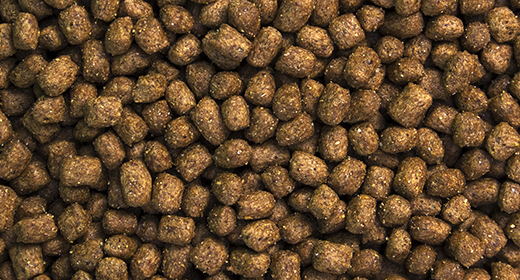
Picking the right food for your pup is key to ensuring its healthy growth. While both puppy food and adult dog food seem similar, they serve different nutritional purposes tailored to distinct life stages. Understanding this disparity is vital in guaranteeing the overall well-being of your beloved companion.
Puppies are more than just mini versions of adult dogs. Their nutritional needs are unique and crucial for their growth spurt and cognitive development. Specifically designed with the perfect blend of proteins, fats, vitamins, and minerals, puppy food supports bone and muscle growth. With their endless energy, they need the extra calories that puppy food provides. Plus, the added dose of nutrients like calcium and phosphorus is essential for strong bone development. So, stick to puppy food until your furball hits full physical maturity, ensuring a strong and healthy foundation for their adult life.
When a puppy can eat adult dog food isn't a one-size-fits-all deal. It is a gradual process that demands attention to your dog's unique traits. Generally, it is wise to make the switch when your pooch is about 80-90% of its expected adult size. But remember, a sudden change can upset their tummy.
To ease the shift, start by mixing small portions of adult food with their usual puppy fare. Over a week or two, increase the adult food ratio until your dog is entirely comfortable with the new diet. Don't forget to consult your vet to ensure a smooth transition and a lifelong, balanced diet for your four-legged friend.
When figuring out when to transfer to adult dog food, the size of your growing dog plays a crucial role. Given below is a comprehensive guide:
At IAMS, we offer a range of adult dog food that are rich in nutrients like protein, vitamins, minerals and more to provide your pooch with a complete and balanced meal. We have specialised recipes for each breed, targeting the specific nutritional needs of small, medium, and large sized dogs.
As your canine companion transitions from the puppy stage to adulthood, providing it with an appropriate diet becomes crucial for its long-term health and well-being. Adult dog food serves as a vital component in ensuring that your dog receives the necessary nutrients to maintain optimal health and vitality. Here are some key reasons why adult dog food is essential for your furry friend's overall wellness:
So, as your dog grows, make sure its diet grows as well. With the right adult dog food, tailored to its needs, you are laying the foundation for a life full of tail wags and playful barks.
Transitioning your furry friend from puppy to adult dog food is not just about changing what is in the bowl; it is a gradual adjustment that involves considering evolving nutritional needs, portion sizes, meal frequencies, and more. Here is a structured guide to help you ease your pup into their new diet over a 10-day period:
Start by mixing 75% of the puppy food with 25% of the new adult dog food. This allows your pup to get accustomed to the new flavours and textures while maintaining some familiarity with the old food.
Increase the proportion of adult dog food to 50% while decreasing the puppy food to 50%. This step continues the gradual transition, helping your dog's digestive system adapt to the new food without causing any sudden upsets.
Continue the transition by serving 75% of the new adult dog food mixed with 25% of the remaining puppy food. This step allows their taste buds to fully adjust to the new diet while ensuring a smooth transition without any digestive disturbances.
By this point, your pup should be ready to completely switch to adult dog food. Serve only the new adult dog food, ensuring that the portion size is appropriate for its age, size, and activity level. Maintain the recommended feeding schedule based on specific dietary needs.
Throughout the transition period, closely monitor your dog's eating habits, energy levels, and overall well-being. If you notice any digestive issues or reluctance to eat, slow down the process and give it more time to adjust. Providing plenty of fresh water and sticking to a consistent feeding schedule will help make the transition as smooth as possible for your beloved canine companion.
Remember, a smooth transition from puppy to adult dog food is all about taking it slow and steady. By gradually introducing the new food over a 10-day period, you give your pup's digestive system the time it needs to adjust without causing any discomfort. Keep a close eye on its response throughout the process, and do not hesitate to make adjustments if necessary. With patience and careful monitoring, you can ensure that your loyal companion makes a seamless shift to their new, adult-dog-friendly diet.
Puppies should not eat adult dog food as it lacks essential nutrients for their growth. Choose puppy-specific food until adulthood.
A 5-month-old puppy should eat high-quality puppy food rich in protein and essential nutrients, promoting healthy growth and development.
Dogs are typically considered puppies from birth to one year, although this can vary based on breed size.
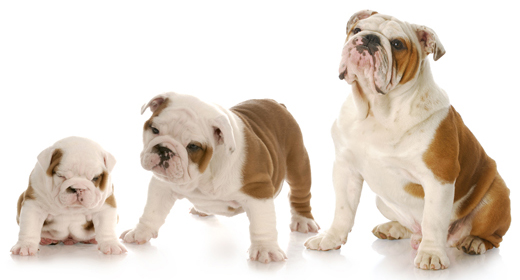
The right age to switch your pooch from puppy food to adult dog food can vary basis multiple factors. However, here’s how these furry beings are generally switched to adult dog food basis their breed size.
Breed Size | Age |
Small | 9 to 12 months old |
Medium | 10 to 12 months old |
Large | 12 to 16 months old |
Giant | 18 to 24 months old |
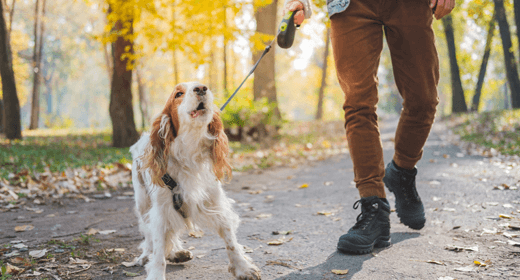
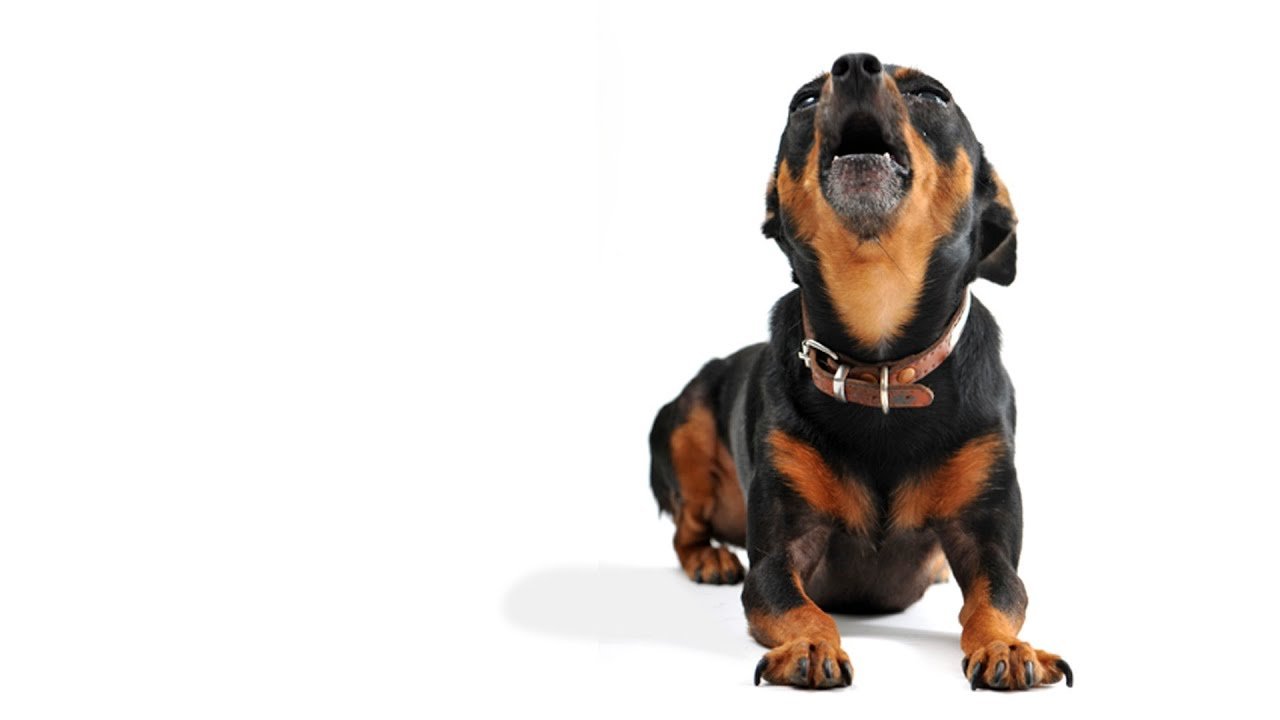
Adrena Wilhelm from Canine Companions for Independence shows you how you can teach your dog to speak and be quiet on command. She also provides effective techniques for teaching your dog to not bark when the doorbell rings and when other dogs are near.
Hi. I'm Adrena Wilhelm from Canine Companions for Independence on behalf of IAMS. Today, we're going to learn how to teach your dog to stop barking. It may sound nonsensical. But to stop your dog from barking, first, teach him to bark on command. Give your dog the command to speak. Have someone immediately make a noise, such as knocking on the door that is sure to make your dog bark. Let him bark two or three times. Then, stick a tasty treat in front of his nose. When he stops barking to sniff the treat, praise him and give him the treat. Repeat until he starts barking as soon as you say speak. Once your dog can reliably bark on command, move on to the quiet command. Teach your dog that barking is OK until told to be quiet. Simultaneously, hold a treat in front of your dog's nose. Most dogs get quiet immediately because they can't sniff and lick the treat while barking at the same time. Praise your dog continuously during his quiet time with petting and words of encouragement. When your dog makes a mistake and barks, and he will, reprimand him immediately. Never strike your dog, but do something that will catch his attention, such as clapping loudly. As soon as your dog stops barking, you must instantly reward him. If you're still having trouble, then you may need to spend some time working with your dog on specific barking situations. Here are a few of the more common ones. If your dog is in his crate or confined to a room behind a baby gate or other barrier, he may bark because he wants to be with you. But if that's not always possible, then you'll need to train him to stay quiet. Next time, he's barking uncontrollably in his more confined space, try this. Start by turning your back and ignoring him. Whenever he stops barking, turn and praise him. Give him a treat and make a game of it. As he catches on that being quiet gets him a treat, lengthen the amount of time that he must remain quiet before being rewarded. Dogs that are afraid of other dogs will often bark at them. Have a friend with a dog stand out of sight far enough away that you know your dog won't bark at the other dog. As soon as the friend and dog come into view, start feeding your dog lots of treats. Keep feeding treats until the friend and dog are out of sight. Ask your friend and her dog to gradually walk closer. Don't try to progress too quickly. It may take days or weeks before your dog can pay attention to you and the treats without barking at the other dog. When the doorbell rings, your dog alerts you to the presence of an intruder by barking wildly. Once you've taught your dog the quiet command in a calm environment, practice in increasingly distracting situations. Teach your dog to react to the doorbell by going to a special place and laying quietly while the intruder comes into the house. Start by tossing a treat on his mat and telling him go to your place. Have him go to his place before you give him the treat. When he's reliably going to his mat to earn a treat, up the ante by opening the door while he's on his mat. If he gets up, close the door immediately. Repeat until he stays on the mat while the door is open. Then, increase the difficulty by having someone ring the doorbell while your dog is on his mat. Reward him if he stays in his place. Try these techniques to stop your dog from barking. All of them can be successful, but don't expect miracles overnight. The longer your dog has been practicing the barking behavior, the longer it will take for him to change his ways. Let's recap. First, teach your dog to speak or bark on command. Once he has that down, teach him to be quiet on command. Use treats and praise to help get the desired outcome. And lastly, be patient and consistent in training. Don't expect overnight changes. I'm Adrena Wilhelm on behalf of IAMS. To join the IAMS community for more information and offers, check out the website.