Enter a keyword below to search for articles and products.


For most pet parents, the expense, time, and expertise involved in breeding dogs responsibly is beyond their reach. Here are some advantages to having your puppy spayed or neutered:
When to Spay or Neuter
Dogs should be spayed or neutered by the time they are 6 months old to avoid many dog health issues. Both operations are performed under anesthesia and may require an overnight stay at the veterinarian's office. Recovery time is quick, with most dogs resuming normal activity in a few days. Spaying (for females) consists of an ovario-hysterectomy.
Neutering involves the removal of the testicles. When you bring your puppy to the veterinarian's office for his first thorough examination, have the doctor explain the operation in detail and set up a time to have the procedure done.
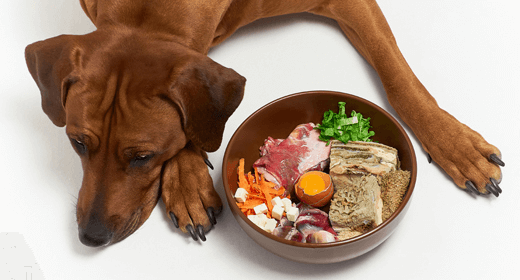
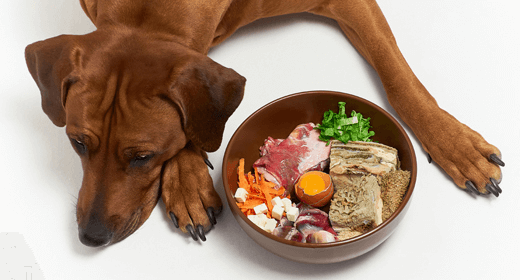
Protein is best known for supplying amino acids to build hair, skin, nails, muscles, tendons, ligaments, and cartilage. It also plays a main role in hormone production.
The protein in dog foods can be supplied by animal sources, plant sources or a combination of the two. High-quality animal-source proteins contain all of the essential amino acids dogs need, while a single plant-based protein might not contain adequate amounts of some essential amino acids.
Common animal-based protein sources used in pet food include chicken, lamb, fish, and beef.
Even though they are often fed plant-based diets, dogs are not herbivores. While dogs are technically considered to be omnivores—animals that eat both animal- and plant-based foods—they should be treated primarily as carnivores to better fulfill their specific nutritional requirements.
Dogs are members of the Canidae family. This family also includes the wolf, coyote, fox, and jackal. The ancestors and relatives of today's common dog hunted animals and ate them as a means of survival.
The body structure of domestic dogs is similar to that of their ancestors and relatives and is ideal for eating prey. Dogs have the enlarged carnassial teeth after which carnivores are named. Their gastrointestinal tract is simple and does not have the capacity to digest large amounts of plant products.
Animal-based proteins help dogs achieve optimal health.