Enter a keyword below to search for articles and products.
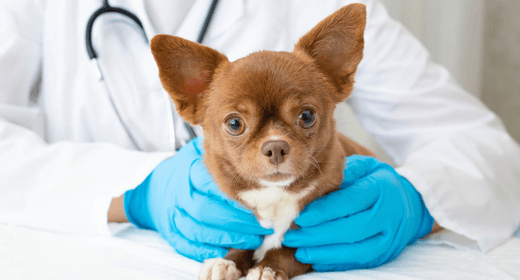
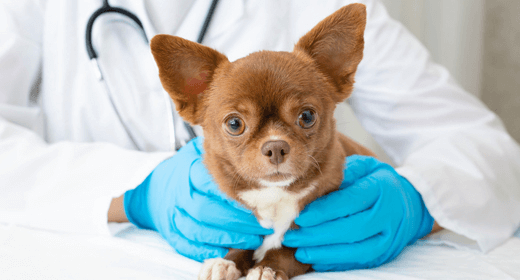
For most pet parents, the expense, time, and expertise involved in breeding dogs responsibly is beyond their reach. Here are some advantages to having your puppy spayed or neutered:
When to Spay or Neuter
Dogs should be spayed or neutered by the time they are 6 months old to avoid many dog health issues. Both operations are performed under anesthesia and may require an overnight stay at the veterinarian's office. Recovery time is quick, with most dogs resuming normal activity in a few days. Spaying (for females) consists of an ovario-hysterectomy.
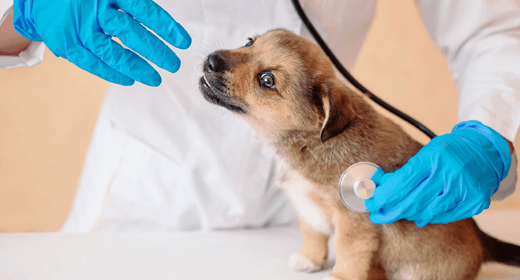
Neutering involves the removal of the testicles. When you bring your puppy to the veterinarian's office for his first thorough examination, have the doctor explain the operation in detail and set up a time to have the procedure done.
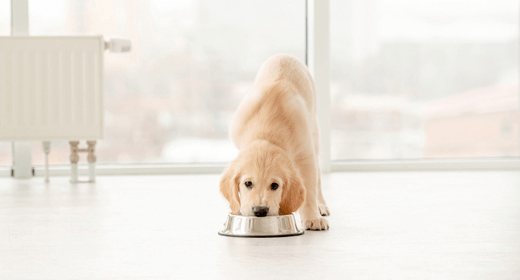
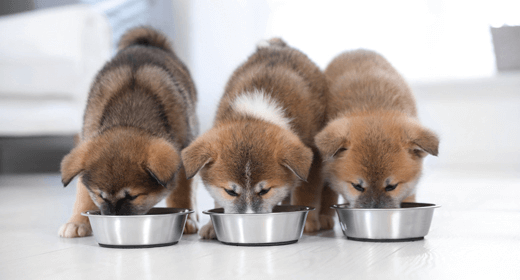
Your puppy’s nutritional needs will change as he grows into adulthood, but how do you know when your puppy is ready for adult food?
Depending on his breed size, at some point between 12 and 24 months of age, you should reexamine your puppy's nutritional needs and choose the right adult formula. His adult food could depend upon his metabolism (Does he gain weight easily?) and his activity level (Is it low, normal, or high?) These factors can help you find the ideal food for your dog.
The transition to a premium adult formula should begin when your dog approaches adult height and weight. The kind of dog you have will determine the right time to switch. When you do switch to adult formula, follow the same four-day process as you did when introducing your puppy to premium puppy food.
Small-breed dogs tend to mature physically much sooner than large-breed dogs. Follow these guidelines to help you decide when to switch formulas:
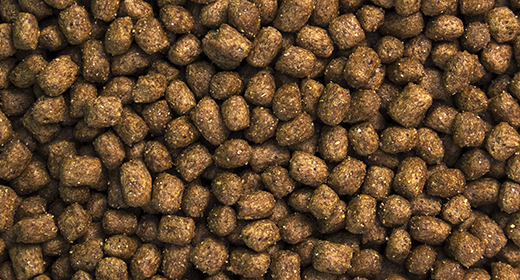
As your new puppy quickly matures into adulthood, he needs nutrition appropriate for his 'new' body. That means a high-quality, premium adult formula. Most veterinarians agree that feeding a complete and balanced premium food, such as IAMS™ ProActive Health™ Adult MiniChunks, throughout your dog's adulthood can promote a long and healthy life.