Enter a keyword below to search for articles and products.


Dogs are as unique as people, but despite their differences, they all need a well-balanced diet for good health. However, dogs of different ages and sizes have different nutritional needs, and this is especially true for puppies. When you factor in developmental needs, ingredients and your puppy’s size and breed, choosing the right food can be difficult.
The energy requirements of a puppy can be nearly twice those of an adult dog. This means that a puppy might not have the stomach capacity to eat enough food to meet his needs unless the food is specially formulated.
When choosing a puppy food, select one that provides a highly digestible, nutrient-dense, 100% complete premium formula for growth. Such high-quality formulas contain the vitamins, minerals, protein, fat and carbohydrates your dog needs for sound and healthy development. With a premium formula, your puppy may have:
Puppies grow fastest during the first six months of life, and because growth rates differ among breed sizes, you need a formula designed to address the needs of your puppy’s breed or size. Feed your puppy this formula based on the recommended amounts for his weight and age until he is an adult.
Although large-breed dogs have bigger bones than medium or small breeds, large-breed puppies do not need more calcium. University studies have shown that:
Overfeeding and weight gain can contribute to developmental bone problems. This makes managing food intake even more critical. Puppies are at greater risk for developmental bone problems if they are overfed.
A formula with reduced fat and calories promotes optimum growth. Controlling the rate of growth to promote normal development is another reason to feed a large-breed diet, such as IAMS™ ProActive Health™ Smart Puppy Large Breed.
Medium-breed puppies have needs between those of large- and small-breed dogs. A medium-breed puppy’s nutritional demands can be satisfied by feeding a 100% complete and balanced formula that features moderate amounts of all the essential vitamins and nutrients, such as IAMS ProActive Health Smart Puppy Original.

Small-breed puppies have unique needs due to their small mouths and small stomachs, as well as the rapid growth spurt they experience when growing to adult size. That’s why it’s important to pack a lot of nutrition and energy into a small amount of food. A poor-quality diet might fill a puppy’s stomach before he can eat enough food to satisfy his nutritional needs. The result can be improper muscle and skeletal development and growth impairment.
IAMS™ puppy foods are formulated to be energy- and nutrient-dense to meet the needs of growing puppies. The IAMS™ formula for small and toy puppy breeds, IAMS™ ProActive Health™ Smart Puppy Small & Toy Breed, has concentrated nutrition for the lifelong health of your small- or toy-breed dog.


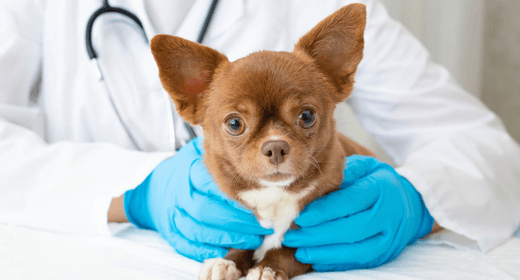
Bringing a new furry friend home is one of the most exciting things you will experience. And as a pet parent, the first thing you need to do is lay down a puppy vet care plan. Hence, it is essential that you take your new, little pet for a general check-up within the first week of bringing it home. During this vet visit, you can learn about your dog’s vaccination schedule, nutritional requirement, training needs, and more. It is crucial to seek professional medical advice to make sure that you do not overlook any aspects that may need immediate attention. If you are not sure why and when you need a vet for your dog, this article is for you. It gives you a gist on how often you should visit your vet, vaccinations, annual check-ups, and more.
A veterinarian is going to help you keep your floofy healthy and in check. A puppy, just like a senior dog, will require more attention. So, if you are wondering how often a puppy should go to a vet, here’s your answer: once every 3-4 weeks. If your puppy requires special attention, your veterinarian will recommend frequent follow-ups. If this is your pup’s first vet visit, contact the breeder for information on vaccination and any other medical history. If you have a rescue pup, let your vet know. It will help your doctor assess your pup’s case better.
Moreover, take your puppy to the doctor immediately if you notice any of the following issues:
Note: Even if your dog comes with a documentation of up-to-date vaccination shots, you should take it to the vet at least once to get a green signal.
We humans visit our family doctors at least once a year even if we do not exhibit any symptoms. Similarly, even your fur baby needs to be taken to the vet once a year for annual vaccination and a general medical check-up The vet will check your baby’s heart, lungs, ears, eyes, look for any abnormal growth, and do other basic tests.
Based on the medical examination, your vet may recommend certain dietary changes, physical activities, and a dental care routine. Follow their recommendations religiously to improve your puppy’s health! Here are a few things you can carry during your dog’s yearly appointment:
Puppies are born with some immunity passed on to them by their mothers. However, they start losing their inherited immunity once they turn 6 to 8 weeks old. Therefore, it becomes imperative that you start vaccinating your puppy around that time. Their innate habit of sniffing and licking everything that strikes their fancy exposes dogs to a plethora of diseases. Thankfully, a vaccination plan can shield them against fatal viruses and diseases. Vaccine shots are administered when puppies turn 6-8 weeks old, and they are repeated every 2-4 weeks until the puppy is 16 weeks of age or older. Sometimes, a vet may recommend an earlier vaccination regimen, starting at 4 weeks of age in the face of an outbreak or when the mother has an unknown vaccination history. You can ask your vet for a vaccination schedule customised for your puppy.
As kids, we were inoculated against several health issues with different types of vaccination. Similarly, your dog too needs to be vaccinated against multiple diseases such as rabies, distemper, hepatitis, etc. So, Let’s take a look at the types of vaccines commonly administered to your dog:
The above vaccines may come in different combinations; hence, consult your vet and get a proper understanding of