Enter a keyword below to search for articles and products.
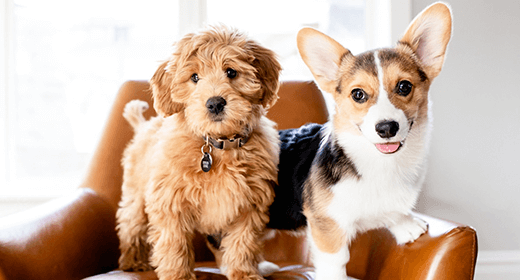
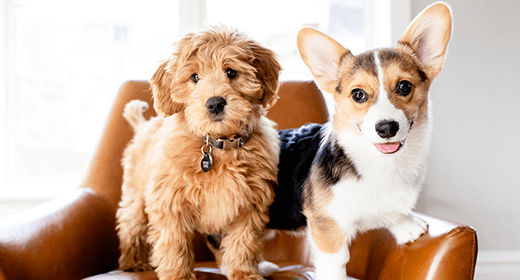
Your small- or toy-breed puppy grows rapidly in the first months of their life: Their immune system is developing, their bones are growing and their muscles are getting stronger. With all this growth, they need the right mix of nutrients to support their development. To make sure your puppy is getting the proper nutrition to protect and maintain their health and well-being, keep these key points in mind.
Research shows that puppies need up to twice as much energy as adult dogs. Because they are growing so quickly at this stage, your small-but-mighty pup needs an energy-rich, nutrient-dense small-breed dog food like IAMS™ Puppy Small Breed. Puppies also need more protein than adult dogs. High-quality animal-based protein will help your puppy create new body tissue as they grow.
Aside from protein, make sure these other important nutrients and ingredients are a part of your puppy's diet:
These are important building blocks of nutrition. Look for them when you choose dry or canned dog food and when you select treats.
When it comes to feeding puppies, one size does not fit all. Small-breed puppies have higher metabolism rates per pound and reach their mature adult weight faster than larger-breed puppies. And small-breed puppies need high levels of protein, fat, calcium and phosphorus to support the growth and development of their bones, muscles and other tissues. So, giving your puppy a food that supports their breed size is the easiest way to make sure they’re getting the right balance of nutrients for their growth rate.
And remember: Small-breed puppies also have small mouths and stomachs! Make sure your puppy's food has small kibble for easy chewing. A nutrient-dense formula will help your puppy get a complete and balanced diet even though their stomach can only hold what seems like a small amount of food.
From the time your puppy is weaned until 4 months of age, you should feed your puppy two to three times a day. Check the food label guidelines to feed them the proper daily amount. After your puppy is 4 months old, feed them twice a day on a regular schedule. And make sure they always have access to fresh water, too!
A small-breed puppy reaches adult weight faster than larger breeds. You can start feeding an adult dog food, such as IAMS™ Adult Small Breed, when they are around 9 to 12 months old.
Your dog might not be thrilled about the change at first, but don't worry. You can help ease the transition by gradually introducing the adult food. Try mixing 25% of the new food with 75% of their puppy food, and then gradually change the proportions over the next three weeks until they are eating 100% adult food.



Bathing your puppy is an important part of good pet care. Whether you're a newbie or a seasoned pet parent, it's crucial to provide your pup with ample and frequent baths to keep them looking and feeling healthy. More than just for appearances, though, regular baths are essential for maintaining proper hygiene and skin health – like how we need showers! To help ensure your pup looks and feels its best, here are our top tips for bathing your furry friend.
When you get a new puppy, one of the first questions that may come to mind is, 'How often to bathe a puppy?' You shouldn't bathe your puppy until they are around eight weeks old. Even then, the process should be approached with care and gentleness. After their initial bath, you typically only need to do so again when necessary.
Before you start, ensure you have everything you need for your puppy's first bath. This includes a place to bathe your puppy, towels, shampoo and conditioner for long-furred dogs, a brush or comb and a hair dryer with a relaxed setting.
To ensure your puppy is comfortable during the bath:
Once your puppy is comfortable with the water, it's time to wash them.
If it's your first time bathing a puppy, don't fret - we've got you covered with this guide on how to bathe a puppy.
Determine the right shampoo and conditioner for your pup before even getting them wet. All of this comes down to what type of fur they have. Get professional advice from your vet first to know which products would be best for your puppy.
Pups with short coats need more oil to add moisture, whereas long-coated dogs require moisturisers to maintain coat health.
We recommend bathing puppies as young as eight weeks old so that it becomes a part of their routine. But don't overwhelm them; a puppy's first visit shouldn't include baths. Instead, let this serve as an introduction and show them that there is nothing to be scared of.
Allow the puppy to roam free and get them used to being in a tub by slowly running a brush over their fur. Be sure to give lots of treats, swaddling, and cuddles to make them feel safe.
To get started with the bathing and grooming process, lightly brush or comb their coat to remove any dirt. Also, doing this will help eliminate any knots or tangles in their fur before bathing them.
Get the water to a comfortable temperature; it should be warm but not hot. Puppies have more sensitive skin than we do, so they will feel the heat much faster.
Before you start, lay out everything you will need and ensure no one in the house uses any water while you're bathing the puppy. Sudden temperature changes can be dangerous for puppies; hence, taking precautions is essential.
To avoid skin irritation, forego cleansing products when they are young and use lukewarm water instead. The temperature must be comfortable for your pup, as hot water can harm dogs.
A warm wash rag is all you need to use on a puppy that is three or four-months old. Dogs' body temperatures are higher than ours, so they experience temperature differently than we do.
For puppies older than three or four months, you can bathe them in a bathtub or shower. Handling your puppy can be delicate, especially when it's time for their bath. If you have a particular bathtub or shower specifically for puppies, use that--it'll make things much more manageable. Be sure to place them on a non-slip surface inside the tub or shower, so they don't become overwhelmed and frightened.
It's time to introduce shampoo and conditioner to your puppy once they are at least three months old.
Only purchase shampoos and conditioners for dogs that are pH balanced to avoid health hazards. We recommend plant-based products with no chemical additives to maintain a healthy coat and skin. Also, please don't go for the cheapest product, as it might not be practical or safe.
Before using the puppy shampoo, dilute it with equal water. Apply it all over their body, being mindful to avoid contact with sensitive areas like eyes and ears.
Remember that bathing a puppy is like washing a tiny human baby. They won't be used to the feels and may not take it well at first.
If you want to avoid scratches, use the balls of your fingers and massage the shampoo into the coat -- this will help remove dirt and dust. Plus, your puppy will love it!
Rinse your puppy's fur thoroughly to remove all traces of shampoo after bathing. You should repeat the process a few times for best results.
Keep your dog's skin clean by getting between the folds with baby wipes or a damp cloth to remove all soap. Once you are done, be sure to dry their skin thoroughly.
Gently rub your puppy with a towel to remove the excess water, then place them on the floor in a safe area.
Until they are no longer dripping, you can keep them towel dry. Have someone help you hold onto them or sit down on your knee to ensure they feel secure.
Next, you will want to use a hairdryer on your pup's coat. It's best to use a diffuser to spread the heat evenly, and ensure it's only set on low or cool.
When you use a hairdryer on your puppies, go slow to get them used to the sensation and noise. Avoid blowing air directly into their face or ears. Try to get them as dry as possible, and for long-coated breeds, frequently stop to brush or comb through their coat, so it doesn't get tangled.
Your dog's health is crucial, so you should bathe them once a month. Over time, their skin and fur become oily and dirty from environmental factors and everyday activities. Including baths in your pet care routine will keep them happy and healthy.
For a puppy, it's best to stick with lukewarm water, mild soap, and gentle massages. Remember to follow up with regular brushing, which can help keep their coat soft and shiny. Minimal shampooing is recommended, as bathing too often will lead to dry skin.
These steps should have you on your way to a happy and healthy puppy. With regular baths, you can help ensure your pup is always looking and feeling its best. It may take time for them to get used to it but bathing your puppy can be an enjoyable experience if done correctly. Have fun with it!