Enter a keyword below to search for articles and products.


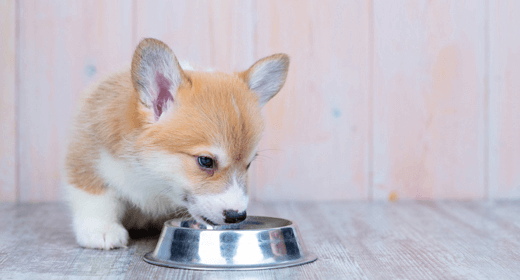
Keeping your puppy’s skin and coat healthy is as easy as 1-2-omega-3. Feeding studies have shown that dogs thrive on high-quality animal proteins from chicken, fish, lamb and eggs. IAMS™ ProActive Health™ Smart Puppy Original and other IAMS formulas are made with these highly digestible proteins, which promote excellent skin and coat condition and enhance your dog’s overall health and well-being. When your dog’s coat looks good, the rest of his body will likely be well nourished, too.
Learn more about two important nutrients that can maintain your puppy’s skin and coat health.
Fat plays a key role in keeping your puppy’s skin and coat in top condition. Fat not only provides energy, but it’s also a source of essential fatty acids that are necessary for the skin’s healthy structure. Fatty acids in the diet keep the skin moist and supple. They also contribute to a thick, lustrous and healthy coat. The lack of or imbalance of fatty acids can cause dry, scaly skin and brittle hair. A diet with vitamin-rich fish oils is vital to your puppy’s coat health and appearance.
Although there are many kinds of fatty acids, a few are important to coat health and appearance:
An appropriate balance of omega-6 and omega-3 fatty acids helps maintain your dog’s healthy skin and coat. An optimal range of omega-6 to omega-3 fatty-acid ratios is between 5:1 and 10:1 to enhance skin and coat quality and help nutritionally manage skin and coat conditions.
DHA (docosahexaenoic acid) is a key nutrient found naturally in breast milk and is important for a baby’s neural development. And just like a baby, a puppy’s ability to learn depends on healthy brain development.
At 6 weeks, a puppy's brain mass is approximately 70% developed. At this stage and in the months ahead, feeding your puppy a diet rich in DHA can help support neural development. Premium puppy foods such as IAMS™ ProActive Health™ Smart Puppy provide DHA in their formulas.

Protein is best known for supplying amino acids to build hair, skin, nails, muscles, tendons, ligaments, and cartilage. It also plays a main role in hormone production.
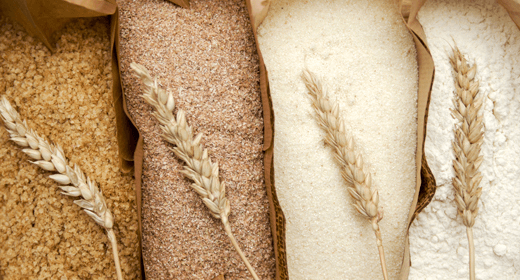
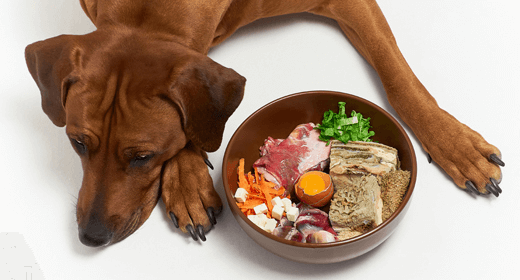
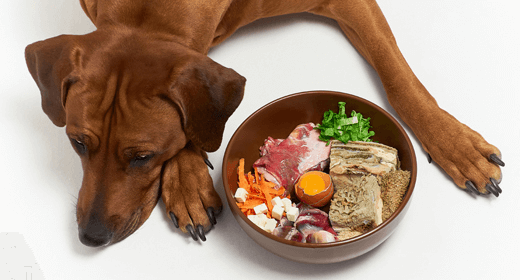
The protein in dog foods can be supplied by animal sources, plant sources or a combination of the two. High-quality animal-source proteins contain all of the essential amino acids dogs need, while a single plant-based protein might not contain adequate amounts of some essential amino acids.
Common animal-based protein sources used in pet food include chicken, lamb, fish, and beef.
Even though they are often fed plant-based diets, dogs are not herbivores. While dogs are technically considered to be omnivores—animals that eat both animal- and plant-based foods—they should be treated primarily as carnivores to better fulfill their specific nutritional requirements.
Dogs are members of the Canidae family. This family also includes the wolf, coyote, fox, and jackal. The ancestors and relatives of today's common dog hunted animals and ate them as a means of survival.
The body structure of domestic dogs is similar to that of their ancestors and relatives and is ideal for eating prey. Dogs have the enlarged carnassial teeth after which carnivores are named. Their gastrointestinal tract is simple and does not have the capacity to digest large amounts of plant products.
Animal-based proteins help dogs achieve optimal health.