Enter a keyword below to search for articles and products.


Dogs bring us immense joy and companionship, and we naturally want them to live happy and healthy lives. However, a hidden threat lurks in the shadows, capable of jeopardising the health of our furry friends: infestations of fleas and ticks. These tiny parasites, barely visible to the naked eye, pose a significant danger, requiring our vigilance and prompt action to protect the ones we love.
To effectively protect your dog, it's crucial to understand the lifecycles of these parasites.
Fleas have a four-stage life cycle:
Ticks, while different in their lifecycle, pose a similar threat. They follow these stages:
Early detection is key in managing these parasites.
Fleas are small, wingless insects that feed on the blood of dogs. They can cause various problems for your dog, including:
Ticks are larger than fleas and have eight legs. They latch onto your dog's skin and feed on their blood. Ticks can transmit various diseases to dogs, including Lyme disease, anaplasmosis, and Rocky Mountain spotted fever. Here are some signs of ticks on your dog:
Once you've identified an infestation, prompt and effective treatment is essential.
When dealing with fleas on dogs, a multi-pronged approach is often necessary. Here are some effective options:
Consulting your veterinarian is crucial when choosing a flea treatment, as they can recommend the most appropriate option based on your dog's age, breed, and specific needs.
If you find a tick attached to your dog, it's essential to remove it promptly and safely. Here's how:
Monitor your dog for any signs of infection, such as redness, swelling, or fever. If you notice any concerns, consult your veterinarian immediately.
Important tip: Avoid using home remedies like petroleum jelly or matches to remove ticks, as these can cause the tick to release more saliva and potentially increase the risk of disease transmission.
A proactive approach is the best way to protect your dog from these pests.
Protecting your dog from fleas and ticks is crucial for their health and well-being. By implementing a regular prevention routine, combining medication with vigilance and proper hygiene, you can keep your furry friend safe and comfortable. Remember, consulting your veterinarian for personalised advice is the best way to ensure the most effective approach for your dog's specific needs.
Dogs can get fleas from environments where fleas are present. This includes outdoor areas (like parks or gardens), other infested animals, or contaminated objects (like bedding or carpet). Fleas jump onto dogs from these sources, starting an infestation.
Yes, dogs can get fleas from other dogs. Fleas are adept at jumping from one host to another. When dogs interact or play together, fleas can easily transfer between them, especially in close quarters like dog parks or kennels.
Yes, ticks on dogs can be harmful. They attach to the dog's skin and feed on blood, potentially transmitting diseases like Lyme disease, anaplasmosis, and Rocky Mountain spotted fever. The bite site can also become infected if not properly treated.
To remove ticks from your dog, use fine-tipped tweezers to grasp the tick as close to the skin’s surface as possible. Pull upward with steady, even pressure. After removal, clean the bite area and your hands with rubbing alcohol, an iodine scrub, or soap and water.
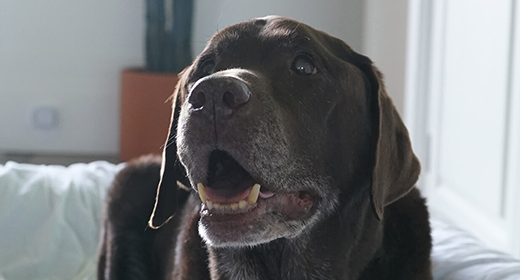
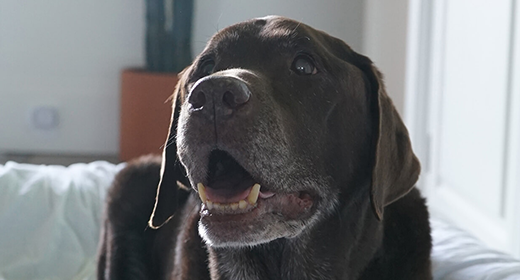
In the past, veterinarians recommended diets for senior dogs largely based on the nutritional management of diseases common to the aging process. Research, however, has shown that special nutrition can help manage body-condition problems in aging dogs, such as obesity and loss of muscle mass. Senior dogs also benefit from special nutrition to help maintain bone and joint health.
Learn more about how you can help your senior dog manage common health issues associated with aging.
Senior dogs tend to gain weight, despite consuming fewer calories, due to changes in their metabolic rate. Therefore, they can benefit from eating a diet with reduced fat levels and lower caloric density than adult maintenance foods.
Recent IAMS™ research in dogs also indicates that L-carnitine — a vitamin-like compound made in the body from the amino acids found in red meats, fish, chicken and milk — can help reduce weight in overweight dogs by escorting fat into cellular mitochondria where it is turned into energy.
Protein is the building block of muscle tissues. It is important for maintenance of muscle tissues, muscle strength and mobility. Recent research conducted by The IAMS Company has shown that senior dogs that eat a higher-protein diet better maintain muscle protein stores. By providing optimal protein levels from muscle maintenance, we can help senior dogs continue being physically active.
This research is contrary to conventional opinion that senior dog foods should contain lower protein levels than adult maintenance formulas to avoid progressive decrease in kidney function. However, senior dogs fed a high-protein diet had stable renal function and a lower death rate than dogs fed a lower-protein diet.*
During the aging process, cartilage between joints often begins deteriorating. Nutritional management can help maintain healthy bones and joints and mobility in dogs in several ways:
Some pet-food manufacturers have endorsed reduced levels of calcium and phosphorus based on the belief that excesses of these minerals are harmful to the kidneys. However, research has shown that no damaging accumulation of calcium or phosphorus was found in the kidneys of older dogs fed diets containing maintenance levels of calcium and phosphorus for four years.*
* Finco, DR. “Effects of aging and dietary protein intake of uninephrectomized geriatric dogs.” American Journal of Veterinary Research; Vol. 55, No. 9. Sept. 1994.