IAMS SG
Nutrition for Large- and Giant-Breed Adult Dogs

adp_description_block463
Nutrition for Large- and Giant-Breed Adult Dogs

  • Share

Healthy joints and proper weight are especially important for dogs that grow to be more than 50 pounds. But not all large- and giant-breed adult dogs have the same nutritional needs. Is your dog getting proper exercise? Is she about to have puppies? Special conditions can dramatically affect your dog’s nutritional demands. Giving her a food specially formulated for her large size, life stage and activity level is the easiest way to make sure she’s getting the nutrients she needs.


Choosing a Food for Overall Health

To address the special needs of your large- or giant-breed dog, look for these features:

  • Less fat to help maintain an ideal body condition for less joint stress
  • Vitamin-rich fish oils for healthy skin, shiny coat and overall health
  • Essential vitamins and minerals to help support the immune system and help maintain good health
  • High-quality animal-based protein sources to help maintain muscle tone
  • A moderately fermentable fiber source, such as beet pulp, to maintain intestinal health, enhance your dog's ability to absorb nutrients, and reduce backyard cleanup
  • A carbohydrate blend to help sustain energy by maintaining normal blood sugar levels


These components are key to good nutrition. Look for them in treats, wet dog food, or dry dog food, such as IAMS™ ProActive Health™ Adult Large Breed.


Maintaining Healthy Joints and Cartilage

Joint health is a big concern for owners of large- and giant-breed dogs. A large- or giant-breed formula that contains high-quality protein can help nourish healthy joints. Vitamins and minerals help promote the production of cartilage. Also, keeping your dog at a healthy weight will help minimize joint stress.


Guarding Against Weight Gain

Dogs with lower activity levels and dogs that have been neutered or spayed are all prone to weight gain. Controlling your dog’s weight is an important step toward protecting against the health effects of excess weight, such as diabetes or joint health problems. If you use a weight-management food, look for these characteristics:

  • A reduced fat level that still offers essential nutrients for skin and coat health
  • L-carnitine, a key nutrient that helps burn fat and maintain muscle mass during weight loss
  • Special carbohydrate blends that help maintain energy while managing weight
  • Vitamin-rich fish oils for overall health


Providing Nutrition During Pregnancy

Pregnant dogs have substantial nutrition requirements. Starting in the seventh week of her pregnancy, a mother dog will need to increase her energy intake up to 50% by the time she gives birth and increase it even more when she starts nursing her puppies. Because she may lose her appetite at times, it's important that she eats a nutrient-dense food. A complete, balanced puppy formula can give her the extra nutrients she needs. But avoid puppy food created for large and giant breeds; these formulas contain specially adjusted levels of energy and minerals that may not be sufficient for a pregnant or nursing dog.


Switching to a Mature Diet

Dogs who grow to be more than 50 pounds are considered mature or senior at age 5 or 6, which is earlier than small-breed dogs. So, it’s critical to make a proactive transition to a specially formulated mature diet, such as IAMS™ ProActive Health™ Mature Adult Large Breed, to help keep your dog healthy and active as she ages.
Nutrition for Large and Giant Breed Adult Dogs
  • Do Dogs Like Hugs?
    Do Dogs Like Hugs?

    adp_description_block83
    Do Dogs Like Hugs? Everything You Need to Know About Dog Hugs

    • Share

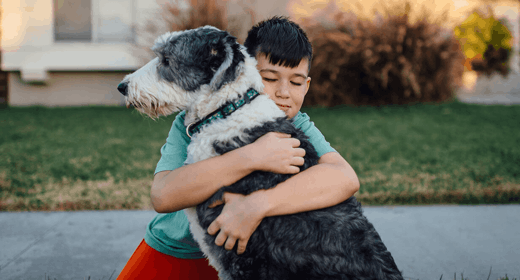
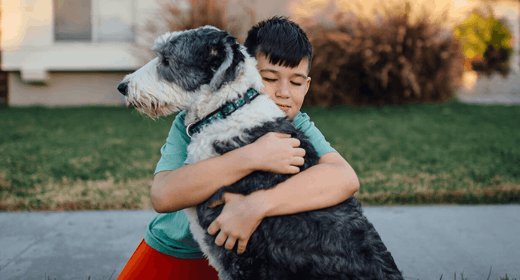
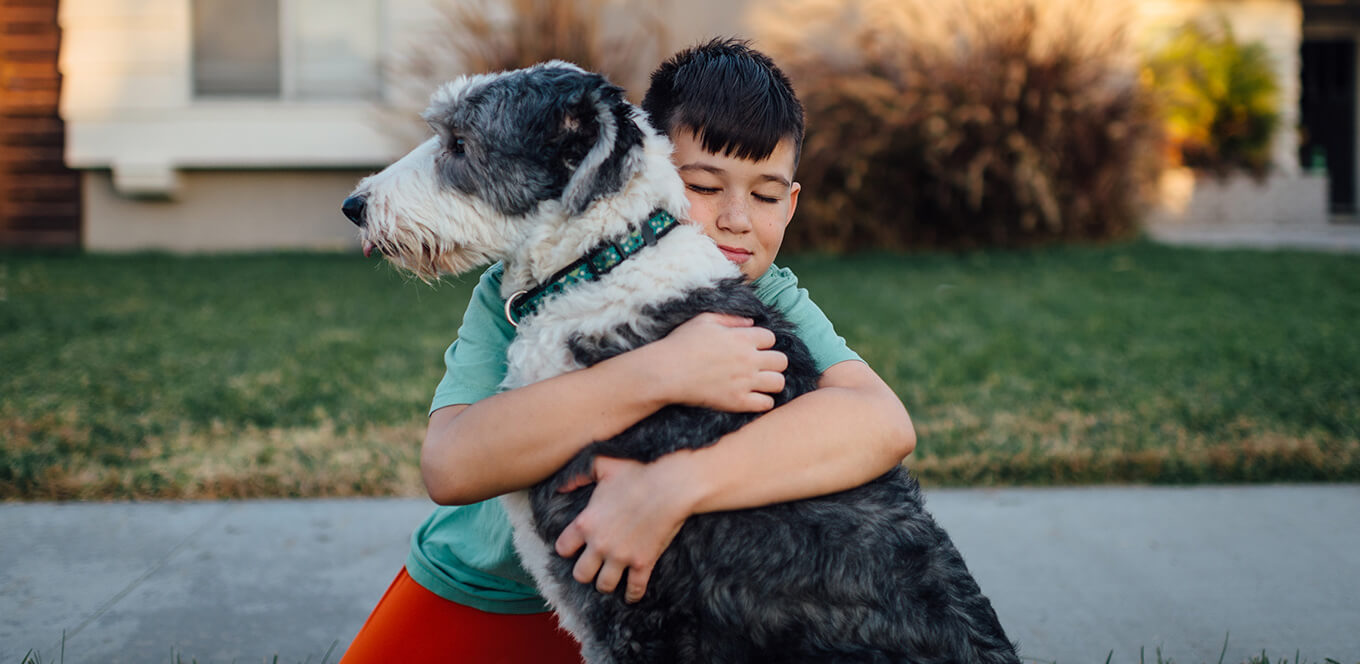
    Most humans recognise a hug as a sign of affection and close friendship. That is exactly why we feel this strong urge to hug dogs out of love. After all, they are the best type of best friends. As pet parents, we love greeting our pawsome pals with dog hugs. However, do dogs like hugs? In an IAMS™ survey*, 83% of dog parents say their dog likes hugs too. Is this true? We’re going to try and get an answer to this question.


    hugs fr 1dogs


    Do dogs like hugs?

    The short answer is no. Dogs do not like hugs. Now, let’s look at a bit of an explanation to this. 


    Some dogs enjoy canine cuddles, but usually only with their owner or household members. Otherwise, they don’t care about it. “Hugging is too much and overwhelming for many dogs and should be discouraged if the dog doesn’t know the individual very well”, advises James Serpell, B.Sc., Ph.D., Professor of Humane Ethics & Animal Welfare at the University of Pennsylvania School of Veterinary Medicine.


    So, why don’t dogs like hugs? To understand this, we may need to look at what a dog really feels when you try to hug it.

    What do dogs feel when you hug them?

    Here is what your pooch probably experiences when you try to engulf it in an embrace:

    • Unnatural behaviour

    Hugging is human behaviour and not dog behaviour. These animals are just not physically built for that kind of interaction. We stand upright, so we face people. Dogs are on all fours, making hugging an unnatural act for them. Hence, they prefer a friendly sniff.

    • Dominance

    As humans, hugging your dog might seem like the purest way of expressing love, however, to dogs, a hug comes off as dominating behaviour. It feels like someone is trying to assert control over them. It can be stressful, especially if done by a stranger.

    • Lack of freedom

    Since ancient times, a canine’s first instinctive defense has been to run away from danger. And hugging makes them feel trapped and confined. As humans, we too feel awkward when a person we barely know gives us a long and tight hug, right? Dogs somewhat feel the same. To some extent, they would also want to escape.

    hugs fr 2 min new


    How to know when your dog is uncomfortable?

    Sniffing is a dog’s way of expressing love. However, we humans definitely don’t regard sniffing the same way. And no matter how much we love our canine companion, we do feel a little uncomfortable with this gesture. Similarly, your pet might find hugs discomforting. Don’t worry. A dog’s body language will give you all the signs you need to know about their comfort level. But in order to understand these signs, you must learn to read them. So, let us understand some signs that indicate your dog is uneasy.

    • Your dog will look away

    Dogs try to avoid anything that stresses them out. So, if your dog looks away when you enfold them in your arms, they don't like hugs. Your furry friend might also open their eyes wide while looking away and this allows you to notice their whale eyes. Whale eyes are when you see the whites of a dog’s eyes. Now, that is another indication of stress and discomfort.

    • Your dog stiffens

    Dogs are generally flexible when relaxed. If your dog gets stiff when you wrap your hands around them, you should probably set them free. Your dog might also lower or tuck their tail under the belly out of stress. Moreover, you must also pay attention to your pet’s ears. Lowered ears are a sign of a stressed dog.

    • Your dog yawns

    It’s no news that we yawn when exhausted. However, if your pooch yawns during dog hugs, they are getting stressed out. It is their way of conveying that they don’t like something.

    Signs that your dog likes hugs

    Every dog is unique. While most of them feel uncomfortable with hugs, some might like being embraced. Here’s how you can confirm if your furball doesn’t feel suffocated when you hug them:

    • Your dog wags their tail

    Tail wagging can mean several things. However, you know your dog is happy when they give you a full-body tail wag. Slow, relaxed wags mean that your dog feels composed and at ease.

    • Your dog puts their paws on you

    Placing the paws on the hugger signifies that your dog welcomes this form of attention. A dog’s paws can do more than just walk and dig holes. It is one of the most effective modes of communication for them.

    Alternatives to dog hugs

    Don’t worry if your dog doesn’t want to hug it out. There are plenty of healthier ways you can show them you are still their best friend:

    • Pet them or give them a good, relaxing brush
    • Take them on walks or play a game with their favorite toy
    • Give them their favourite food or treats
    • Tell them they are a “good boy” or a “good girl'. They never get tired of hearing that.

Close modal