Enter a keyword below to search for articles and products.


In the past, veterinarians recommended diets for senior dogs largely based on the nutritional management of diseases common to the aging process. Research, however, has shown that special nutrition can help manage body-condition problems in aging dogs, such as obesity and loss of muscle mass. Senior dogs also benefit from special nutrition to help maintain bone and joint health.
Learn more about how you can help your senior dog manage common health issues associated with aging.
Senior dogs tend to gain weight, despite consuming fewer calories, due to changes in their metabolic rate. Therefore, they can benefit from eating a diet with reduced fat levels and lower caloric density than adult maintenance foods.
Recent IAMS™ research in dogs also indicates that L-carnitine — a vitamin-like compound made in the body from the amino acids found in red meats, fish, chicken and milk — can help reduce weight in overweight dogs by escorting fat into cellular mitochondria where it is turned into energy.
Protein is the building block of muscle tissues. It is important for maintenance of muscle tissues, muscle strength and mobility. Recent research conducted by The IAMS Company has shown that senior dogs that eat a higher-protein diet better maintain muscle protein stores. By providing optimal protein levels from muscle maintenance, we can help senior dogs continue being physically active.
This research is contrary to conventional opinion that senior dog foods should contain lower protein levels than adult maintenance formulas to avoid progressive decrease in kidney function. However, senior dogs fed a high-protein diet had stable renal function and a lower death rate than dogs fed a lower-protein diet.*
During the aging process, cartilage between joints often begins deteriorating. Nutritional management can help maintain healthy bones and joints and mobility in dogs in several ways:
Some pet-food manufacturers have endorsed reduced levels of calcium and phosphorus based on the belief that excesses of these minerals are harmful to the kidneys. However, research has shown that no damaging accumulation of calcium or phosphorus was found in the kidneys of older dogs fed diets containing maintenance levels of calcium and phosphorus for four years.*
* Finco, DR. “Effects of aging and dietary protein intake of uninephrectomized geriatric dogs.” American Journal of Veterinary Research; Vol. 55, No. 9. Sept. 1994.

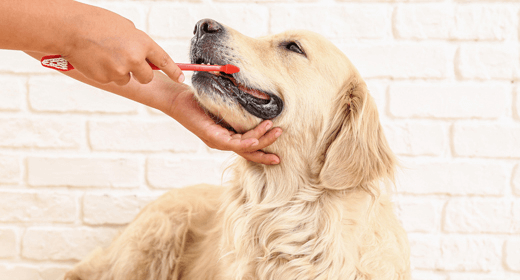
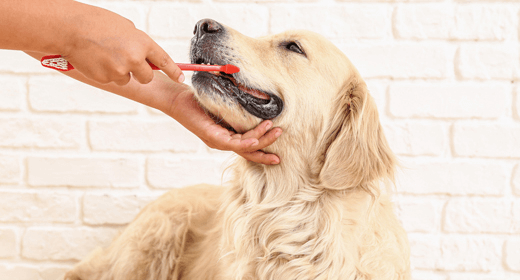
Oral care is a key component of your pet’s overall health: A smart regimen can help prevent the development of serious conditions. Keeping your pet’s teeth clean and bacteria-free results in more than just healthy teeth and fresh breath. With a little know-how and effort, you can protect your pet for a lifetime of companionship.
Tartar and gingivitis are the most common problems seen by veterinarians. The majority of dogs will develop these problems. Unchecked, these can lead to periodontitis and serious health concerns for your pet, up to and including, tooth loss and serious illness. But you can take action to control this and promote good oral health by incorporating the 3Ds: Daily Brushing, Dentistry. and Diet.
Daily brushing of your pet’s teeth will remove plaque and slow the development of tartar. When first beginning to brush, be gradual and make it a pleasant experience. Start by using your finger. Later, introduce a toothbrush. Be sure to praise and reassure your pet while brushing. Also, reward your pet afterward with play or a walk.
Talk with your veterinarian about annual or semiannual teeth cleaning—a dental prophylaxis or prophy for short. Teeth cleaning, performed by your veterinarian, is the only way to remove tartar.
Diet is important to good oral health. The mechanical, brushing action of dry, crunchy kibbles helps remove plaque and works to scrub teeth clean. Some diets also might include ingredients such as hexametaphosphate (HMP) that can help block tartar formation. Diet, daily brushing, and dentistry helps break the plaque-to- tartar cycle and optimize oral health.