Enter a keyword below to search for articles and products.


Congratulations! You're the proud owner of a puppy. It's important to take steps now to ensure great puppy health. Louise Murray, DVM, director of the ASPCA's Bergh Memorial Animal Hospital in New York City and author of Vet Confidential (Ballantine, 2008), offers these pointers for your puppy's first year.
Talk to friends to find a veterinarian you can trust. Within a week of bringing your puppy home, take him for a checkup. The doctor will perform a physical and start keeping a detailed medical history.
The overvaccination of pets is currently a hot topic, Murray says. The question is, however, not whether to vaccinate but which vaccines to use and how often. What she calls the 'core vaccines'—those for parvovirus, distemper, adenovirus type 2, and rabies—are essential. 'These shots protect your dog from diseases that are very real, very common, and very dangerous,' she says. Additional vaccines may be necessary based on where you live, where you take your dog, and whether you travel.
Choose a reputable brand of dog food and discuss your choice with your veterinarian. In his first year, your puppy will be on food that is specifically geared toward younger dogs and will likely eat three times a day rather than once or twice.
An excellent measure against pet overpopulation, this procedure ideally should be performed between ages 4 and 5 months, which is before a female dog goes into her first heat and before a male enters puberty. A female dog who is spayed before going into heat is 2,000 times less likely to get breast cancer, Murray says. Males who are neutered before entering puberty have fewer behavioral issues, such as aggression toward other dogs and urine marking.
Puppy Health: Flea, Tick, and Heartworm Medicines
Most dogs should be on medicine year-round to prevent heartworm, a life-threatening parasitic infestation, Murray says. Fleas, often seen as just an annoyance, can actually cause severe skin problems and even anemia. Ticks carry multiple diseases (including Lyme disease and Rocky Mountain Spotted Fever). Your veterinarian can prescribe effective preventives for these two problems.


Dog multivitamins have become an increasingly popular supplement in pet care, designed to support overall canine health and well-being. Just as humans benefit from a balanced diet, dogs also require essential vitamins and minerals to maintain optimal health. These supplements are formulated to fill potential nutritional gaps in a dog's diet, ensuring they receive the necessary nutrients for proper growth, immune function, and energy levels. Multivitamins can be particularly beneficial for dogs with specific dietary restrictions, older dogs, or those recovering from illness. However, it is essential for pet parents to consult with veterinarians to determine the appropriate supplement and dosage for their furry companions.
Vitamins for dogs are essential organic compounds crucial for various physiological functions in both humans and dogs. These micronutrients, including A, B-complex, C, D, and E vitamins, play key roles in immune function, bone health, energy metabolism, and skin maintenance. Multivitamins for dogs consolidate these vital nutrients, providing a comprehensive and balanced nutritional boost to address potential dietary deficiencies.
If you are looking for vitamins for dogs in the Philippines, the IAMS dog supplement range has you covered. Tailored for canine needs, these supplements are particularly beneficial for dogs with specific health conditions, dietary restrictions, or those requiring additional support for overall well-being.
Yes, multivitamins and vitamins for dogs can prove to be very useful, especially in specific life stages or health situations. While quality dog food is designed to meet most nutritional needs, supplements become more valuable for puppies, seniors, pregnant or lactating females, and dogs with health conditions. These stages are the most crucial and are the best time to give multivitamins to dogs.
Caution is crucial, as human vitamins can be harmful to dogs. Consulting a veterinarian is essential to determine if supplementation is necessary, ensuring the right dosage and nutrient balance. Veterinarians assess the dog's health, diet, and medical history to provide tailored recommendations, enhancing well-being without posing risks. Judicious use of vitamins, under veterinary guidance, can benefit certain canine companions.
Integrating dog multivitamins into your furry baby’s diet offers a spectrum of benefits. These supplements contribute to enhanced immune function, promoting resilience against illnesses. Additionally, they support healthy skin and coat, minimising issues like dryness and shedding. For puppies, vitamins aid in proper growth and development, while senior dogs may experience increased vitality and joint support. Multivitamins are particularly valuable for dogs with specific health concerns, such as joint problems or allergies. Overall, vitamins for dogs act as nutritional insurance, ensuring that dogs receive the essential elements vital for their overall health and vitality.
When administered thoughtfully and under veterinary guidance, dog multivitamins can prove to be extremely beneficial. While quality dog food provides essential nutrients, supplementation becomes crucial in addressing specific needs or potential deficiencies. However, it is vital to avoid self-prescribing human vitamins, as certain substances can be toxic to dogs. Professional advice ensures that the supplementation is tailored to the dog's unique requirements, promoting overall well-being without adverse effects. Responsible use of vitamins, guided by a veterinarian, can contribute to a dog's health and vitality.
Ensuring your furry friend receives the right balance of vitamins and minerals is crucial for their overall health. While a well-balanced diet is the foundation of canine nutrition, certain situations may call for certain good vitamins for dogs as additional support. This is where vitamin and mineral supplements come into play. Dog multivitamins are specially formulated to address potential nutrient gaps, supporting everything from immune function to bone health.
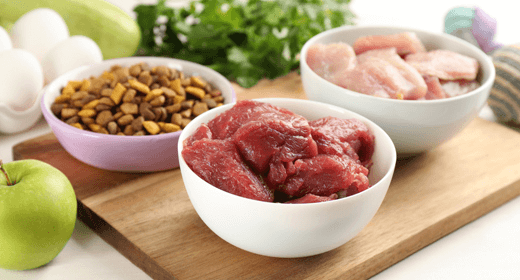
In addition to supplements, incorporating nutrient-dense foods into your dog's diet is essential. Some of the best dog vitamin sources are:
Meat: Lean meats like chicken and turkey provide essential proteins, vitamins, and minerals such as B vitamins, iron, and zinc.
Fish: Fatty fish like salmon and mackerel are rich in omega-3 fatty acids, promoting a healthy coat and supporting cardiovascular health.
Vegetables: Dark, leafy greens such as spinach and kale offer vitamins A, C, and K, as well as minerals like calcium and iron.
Fruits: Berries, apples, and bananas are not only tasty treats but also provide vitamins and antioxidants.
Dairy: Plain yoghurt and cheese supply calcium and probiotics, benefiting bone health and digestion.
Balancing your dog's diet with both high-quality dog food and these natural sources can contribute to their overall well-being, reducing the need for excessive reliance on supplements. Always consult with your veterinarian to tailor your dog's nutritional plan based on their specific needs.
Vitamins and minerals are indispensable for a dog's overall health, playing pivotal roles in various physiological processes. These micronutrients act as catalysts for enzymatic reactions, supporting metabolism, growth, and energy production. Calcium and phosphorus, for instance, are crucial for bone health, ensuring proper skeletal development and strength. Iron is essential for oxygen transport in the blood, while zinc promotes skin health and wound healing. These micronutrients collectively contribute to the maintenance of a dog's immune system, vision, and cardiovascular health. Recognising the importance of vitamins and minerals underscores the significance of a well-rounded and nutritionally balanced diet, supplemented as needed, to meet the unique requirements of individual dogs.
The incorporation of vitamins and minerals into a dog's diet through supplements or nutrient-rich foods is a proactive approach to ensuring their overall well-being. While high-quality dog food serves as a foundation, targeted supplementation can address specific needs and contribute to a dog's vitality at different life stages. Consulting with a veterinarian is paramount, as they can provide tailored recommendations based on a dog's health profile. By understanding the benefits and importance of these micronutrients, pet parents can take informed steps to optimise their canine’s nutrition with the best dog multivitamins, supporting a happy, healthy, and thriving life for their furry friends.