IAMS SG
How to take care of a puppy

adp_description_block83
How to take care of a puppy

  • Share

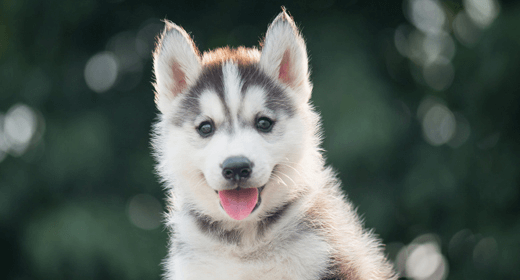
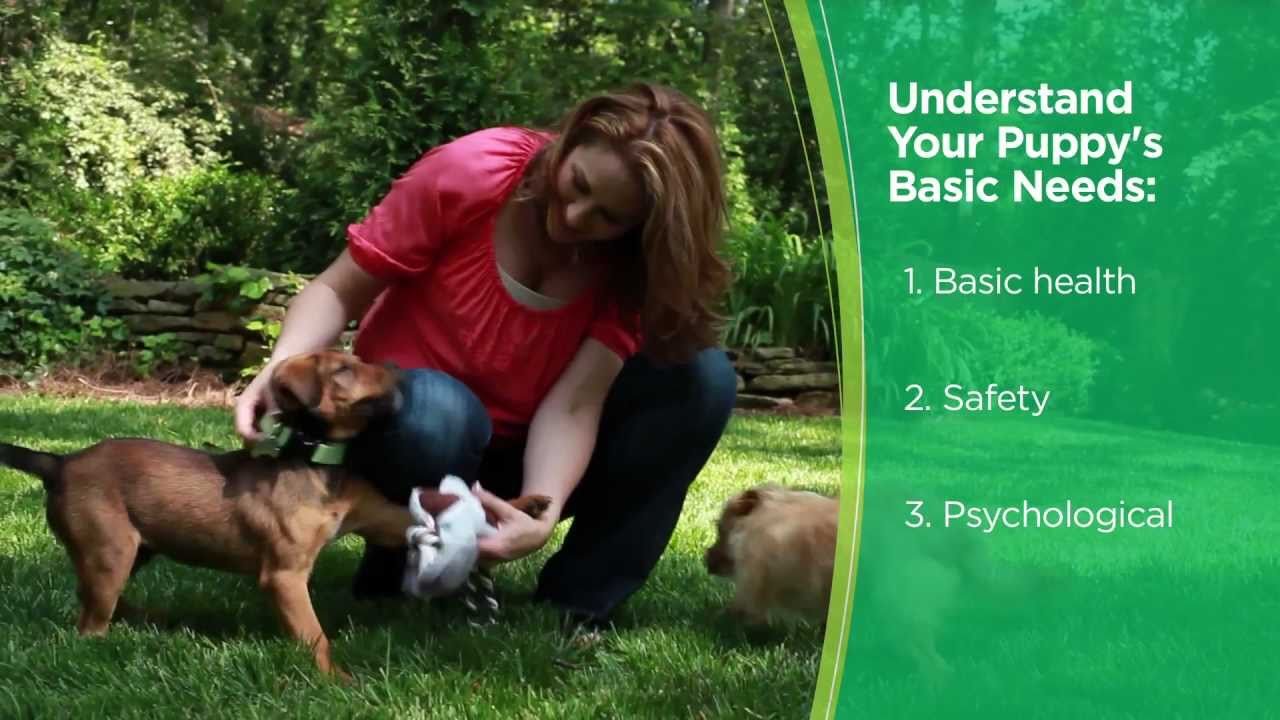
Watch as Veterinarian Dr. Katy Nelson shares all the basics of building a positive relationship with a puppy. You’ll learn everything from taking care of your puppy’s basic needs to socialization. When all is said and done you’ll learn how a happy puppy makes for a happy owner as well.


Hi, I'm Dr. Katy Nelson with IAMS, and today we're going to talk about how to take care of your puppy. First and foremost, you want to understand and meet your puppy's needs. Here they are in order of importance. Number one: basic health-- water, nutrition specifically formulated for puppies, and sleep. Also, immunizations and regular checkups are recommended. Number two: safety. As with small children, you need to keep your puppy in an environment that is safe for him. Puppies explore with their mouths, and they learn about different textures by gnawing. Also, chewing helps massage their gums. For your puppy's safety, keep things that he or she should not be chewing on out of reach. Number three: psychological. Your puppy's greatest psychological need is to be part of a group and be socialized with other dogs. However, to do this successfully, you need to be a guardian he can depend on. Once your puppy's basic needs are met, you want to understand the way he sees the world, so that you can build a strong relationship. Your puppy does not understand the world you live in, so you cannot expect him to. Two things you need to understand is that to them, everything is edible, and they will lunge at anything exciting—you, kids, guests, and other animals, until you train them not to. Praise him exuberantly to encourage the right behavior. Give him treats, pet him, play with him, and be stern to discourage the wrong behavior—ignore him, stop petting, or stop playing. Most importantly, be patient and consistent. Don't be harsh. Puppies have lots of energy, and it's healthy for them to use it. Periodically, helping your puppy release energy will minimize his urge to dig and chew on things. Spend time out in the yard making him run in short bursts. Go on walks or play fetch. Puppies are used to playing with their brothers and sisters. When they're separated, they're looking for their next playmate. Playing with your puppy will also make him more focused on you, improving your bond and making training easier. It teaches him new behaviors, self-control, and will help him gain self-confidence. Like play, socialization is also fundamental to raising your puppy. This is why socializing your puppy as soon as you bring him home is important for both of you. Socialization teaches your puppy to be calm in stimulating circumstances, and to obey when instructed. It also gets him used to being touched, handled, and even used to having hands and inedible things in and near his mouth, so that he behaves around other people, kids, and his veterinarian. Also, know that puppies are sensitive. They can read facial expressions and emotions. Be consistent about what things your puppy does that make you express happiness. Also, be careful not to give your puppy reason to think he's at blame for negative emotions you have from other areas of your life, like when you've had a bad day at work. Emotions are contagious. The happiest puppies tend to be in the most positive and loving households. I'm Dr. Katy Nelson with IAMS, and I hope that you found this helpful as you welcome your new addition to your family.
  • Tips To Achieve Ideal Weight For Dog - IAMS™ Singapore
    Tips To Achieve Ideal Weight For Dog - IAMS™ Singapore

    adp_description_block266
    Dog Weight Management: Tips to Achieve an Ideal Weight for Dogs

    • Share

    Just like in humans, obesity can lead to serious health issues in dogs as well. The primary causes of obesity in dogs are lack of physical activities, imbalanced diet, and overfeeding. If you notice a sudden increase in your dog’s weight despite having a normal diet and sufficient exercise, it could also be a sign of some hormonal disorder. Obese dogs are at risk of developing diabetes, heart diseases, bone deterioration, arthritis, and other severe disorders. Thus, it is crucial to monitor your dog’s weight.


    Understanding your dog’s weight category

    Wondering what is the ideal weight for dogs? A dog’s healthy weight can differ from breed to breed; hence, you can consult your vet to understand the right weight range for your pet. However, the below dog weight chart will help you get an idea on whether your furry friend is underweight, healthy, or obese. 


    dog chart

    Underweight:

    You can clearly see an underweight dog’s ribs, spine, and hip bone. There is zero body fat and that can be seen on its body. In dogs who are genetically thin, the loss of muscle mass may be evident.


    Ideal:

    You can easily feel the ribs, spine and hips of a dog that falls in an ideal weight category. Its waist should also be visible from above and the side. The last couple of ribs may be visible on a short-coated dog while playing or exercising, which is normal.


    Overweight:

    A dog is considered overweight when it weighs 10-20% more than its ideal body weight. It is difficult to feel the ribs of these dogs. The fat accumulation is also visible at the base of its tail and on the belly. Its back also starts to appear broader. It is advisable to start working on shedding the extra kilos your dog has gained at this stage.


    Obese:

    A dog is considered overweight when it weighs 20% more than its ideal weight. You cannot feel its ribs at all due to the heavy fat accumulation. Fat deposits are also visible around the dog’s neck and its belly also starts to droop.


    How to Measure Dog’s Weight

    You can measure your dog’s weight at home if your dog is a small breed. Here are the steps to follow while measuring the weight of your dog at home: 


    • Step 1: Stand on the weighing scale and take note of your weight

    • Step 2: Carry your dog securely and stand on the weighing scale. Take note of the combined weight that the scale indicates
    • Step 3: Subtract your weight from the combined weight to know how much your dog weighs.


    These steps should not be followed by those who have medium or large breed dogs. The size of your dog could make it difficult for you to hold it properly, and if it starts fidgeting, the handler or the dog could get injured. Hence, owners of medium and large breed dogs should go to the vet to weigh their pet. 

    How to keep your dog at a healthy weight?

    You can easily manage your dog’s obesity and maintain the ideal weight of your dog if you follow a regime and take the necessary steps. Here’s are some things you should keep in mind during your dog’s weight management: 

    Avoid feeding home-cooked foods

    Dogs remain healthy if their food quantity is controlled and they are fed on time. But you should avoid feeding your dog home-cooked food. Wondering why? It is because home-cooked meals might not have the right nutrients in the right quantities and that can later affect your furry friend’s overall health. Hence, to keep such risks at bay, it is best that you avoid feeding home-cooked food. In case you plan on giving your dog home-cooked meals, it is imperative that you follow the recipe to the T. 

    Refrain from sharing food with your dog

    Your dog is your friend so, it's hard not to share your delicious bacon or a mouthful of steak with it. When your dog sits next to you and makes those adorable puppy-dog eyes as you eat, it becomes even more difficult to not share some of your food with it. But you must resist. Giving “human food” greatly increases your dog’s fat intake. It also conditions the dog to believe that it will be fed every time you eat. 

    Follow an exercise plan

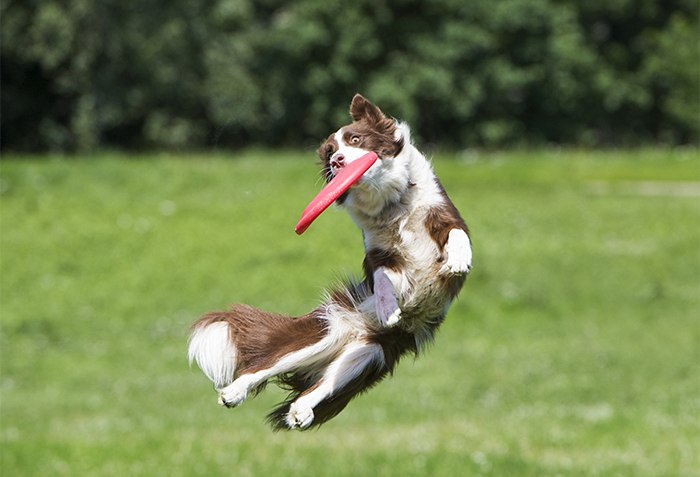
    Exercise is a great way to keep your dog in shape. If you have a busy schedule, then you could break it down into short sessions to play fun games like tug-of-war or go for a quick jog with your dog. You could also play with a frisbee or start working on its agility. Dogs that get enough exercise are less likely to be stressed and this way, you would also get a break from your work. 

    Do not overfeed dog treats

    Of course, you want to reward a dog when it’s been a good boy or a good girl. But keep in mind that those dog treats can add calories and fat. And more importantly, think about how many types of treats and snacks you are feeding your dog and how often.

    Check for health issues

    Most of the time, dogs are overweight because they are taking in more calories than they burn. But it's possible there's a bigger problem. If you've tried to control your dog's diet and increase exercise and haven't seen any results yet, consult your veterinarian about thyroid disease or other metabolic or hormonal disorders.

    Don't feel discouraged if you don't see results right away. The fight against obesity is fought one day at a time. It is the inculcation of good habits and discipline. By following the tips above and increasing your willpower and patience your dog’s weight management will be an easier and healthy process.

    Choose a good pet food brand

    There are lots of dog foods available in the market and each pack contains different quantities of proteins, vitamins, minerals, and other nutrients. You must go for foods that provide complete nutrition to your furry friend, and not just calories. Hence, it is necessary to opt for a pet food brand that specialises in dog nutrition.

    At IAMS™, we have been focusing on bringing out the best in your dog through healthy food. Explore our range of dog food and choose a product that best suits your dog’s size and age. However, consult your vet regarding the serving size and other details. A vet will also provide you with the tips and tricks on keeping your dog’s weight under control.

    Benefit of IAMS™ dog food

    • Balanced nutrition: Every IAMS™ product offers complete and balanced nutrition to your dog. It is loaded with proteins, vitamins, minerals, and other nutrients.
    • Lip-smacking taste: IAMS™ dog foods are made with love to whet your furry friend’s appetite. Our products taste so good, your dog won’t leave a trace of it on the bowl.
    • Tailor-made: We have a range of dog foods, formulated specially for dogs of all ages and breed sizes. Since every dog breed has unique nutritional needs, it is imperative to ensure that you choose foods that offer the right amounts of nourishment to your dog per serving.

Close modal