Enter a keyword below to search for articles and products.
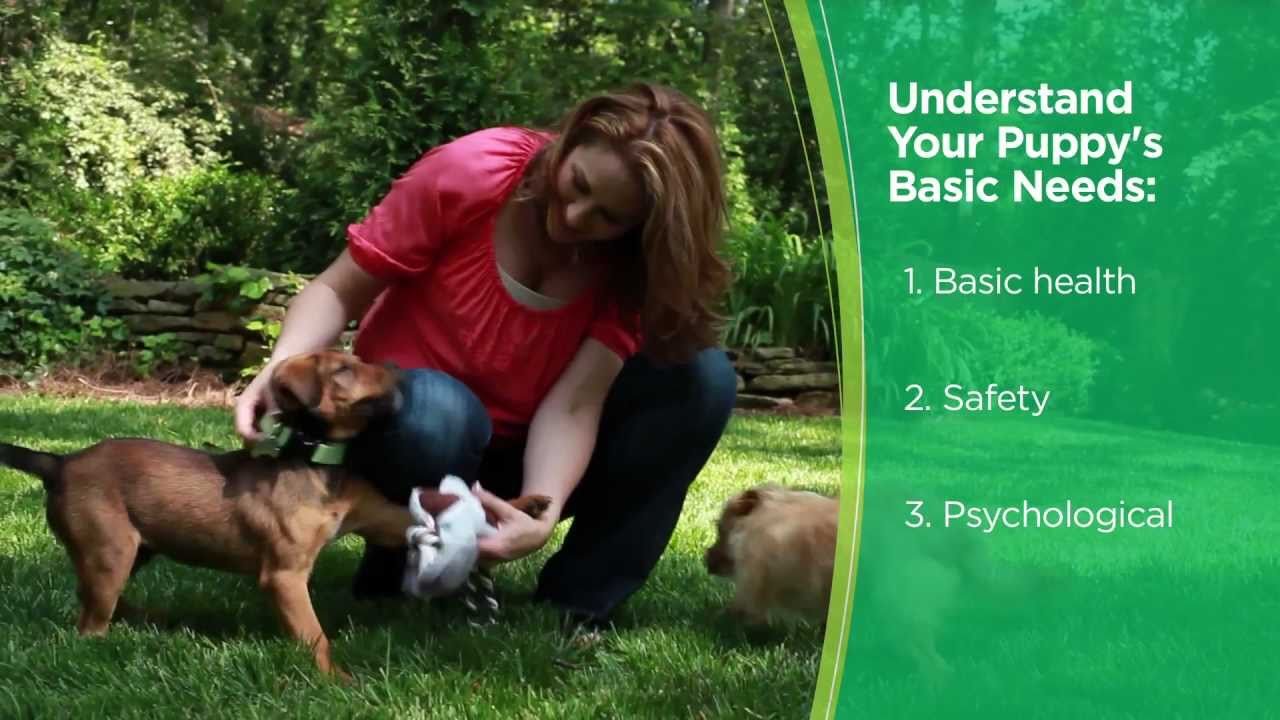
Watch as Veterinarian Dr. Katy Nelson shares all the basics of building a positive relationship with a puppy. You’ll learn everything from taking care of your puppy’s basic needs to socialization. When all is said and done you’ll learn how a happy puppy makes for a happy owner as well.
Hi, I'm Dr. Katy Nelson with IAMS, and today we're going to talk about how to take care of your puppy. First and foremost, you want to understand and meet your puppy's needs. Here they are in order of importance. Number one: basic health-- water, nutrition specifically formulated for puppies, and sleep. Also, immunizations and regular checkups are recommended. Number two: safety. As with small children, you need to keep your puppy in an environment that is safe for him. Puppies explore with their mouths, and they learn about different textures by gnawing. Also, chewing helps massage their gums. For your puppy's safety, keep things that he or she should not be chewing on out of reach. Number three: psychological. Your puppy's greatest psychological need is to be part of a group and be socialized with other dogs. However, to do this successfully, you need to be a guardian he can depend on. Once your puppy's basic needs are met, you want to understand the way he sees the world, so that you can build a strong relationship. Your puppy does not understand the world you live in, so you cannot expect him to. Two things you need to understand is that to them, everything is edible, and they will lunge at anything exciting—you, kids, guests, and other animals, until you train them not to. Praise him exuberantly to encourage the right behavior. Give him treats, pet him, play with him, and be stern to discourage the wrong behavior—ignore him, stop petting, or stop playing. Most importantly, be patient and consistent. Don't be harsh. Puppies have lots of energy, and it's healthy for them to use it. Periodically, helping your puppy release energy will minimize his urge to dig and chew on things. Spend time out in the yard making him run in short bursts. Go on walks or play fetch. Puppies are used to playing with their brothers and sisters. When they're separated, they're looking for their next playmate. Playing with your puppy will also make him more focused on you, improving your bond and making training easier. It teaches him new behaviors, self-control, and will help him gain self-confidence. Like play, socialization is also fundamental to raising your puppy. This is why socializing your puppy as soon as you bring him home is important for both of you. Socialization teaches your puppy to be calm in stimulating circumstances, and to obey when instructed. It also gets him used to being touched, handled, and even used to having hands and inedible things in and near his mouth, so that he behaves around other people, kids, and his veterinarian. Also, know that puppies are sensitive. They can read facial expressions and emotions. Be consistent about what things your puppy does that make you express happiness. Also, be careful not to give your puppy reason to think he's at blame for negative emotions you have from other areas of your life, like when you've had a bad day at work. Emotions are contagious. The happiest puppies tend to be in the most positive and loving households. I'm Dr. Katy Nelson with IAMS, and I hope that you found this helpful as you welcome your new addition to your family.


Just as in humans, gut health plays a pivotal role in a dog's overall health and well-being. But what exactly is gut health?
Essentially, it refers to the balance and functioning of the gastrointestinal (GI) tract, specifically the gut microbiome, a unique collection of thousands of different types of bacteria, viruses, fungi, and other microorganisms. This delicate ecosystem is crucial for almost every aspect of your dog's health, from nutrient absorption to cognitive functions.
However, our pet’s commercial diets, medications like antibiotics, and excessive indoor living can disrupt the balance of the gut microbiome, leading to canine digestion issues such as inflammatory bowel disease (IBD), immune system reactions, indigestion in dogs, and behavioural changes.
Fortunately, it's possible to restore and maintain your dog's gut health, while addressing signs of indigestion in dogs. Join us as we discuss the best ways to promote healthy dog digestion.
Improving your dog's gut health involves addressing any signs of digestive issues in dogs, and working towards a well-balanced gut microbiome. Here are 4 of the best ways to improve your dog’s gut health, and in turn your dog’s digestion:
Introducing probiotics into your dog's diet can help build good bacteria and balance their microbiome. Probiotics increase immune resistance against harmful bacteria, fight intestinal infections, and provide nutritional support during digestive issues. You can try products like IAMS™ Proactive Health™ Digestive Health Supplement, which contains the probiotic Bacillus Subtilis. This helps degrade organic matter in the feces, reduce ammonia production and fecal odour, and promote the growth of good bacteria. To keep these beneficial probiotics thriving, consider adding soluble fibers into their meals, such as squash.
Regular exercise and playtime can significantly improve your dog's gut health. Exercise reduces stress, which can weaken its immune system and cause inflammation. Finding the right level of exercise for your dog's life stage and maintaining that routine can help manage canine digestion and overall health.
Feeding your dog a nutrient-dense, biologically appropriate diet can positively impact their gut health. Dogs require meat protein for optimal health, and raw meats rich in live enzymes can enhance digestibility and nutrient absorption. Including bone broth in their meals can also increase nutrient absorption and help restore the gut lining.
Just like humans, dogs can benefit from exposure to a variety of environments. This can help diversify their gut microbiome, leading to better digestion and overall health.
Indigestion in dogs is often a clear sign of poor gut health. Some other signs of digestive issues in dogs that you should watch out for are:
These signs could indicate a disrupted gut microbiome that needs attention. By taking steps to improve your dog's gut health, you'll be supporting their overall wellness and helping them lead a happier, healthier life.
If you notice signs of indigestion in dogs, such as diarrhoea, constipation, bloating, vomiting, or any changes in their behaviour, it’s crucial to consult with a vet. While occasional digestive issues can occur in dogs, persistent symptoms could indicate a disruption in their gut microbiome.
Investing in your dog's gut health through a comprehensive approach of diet, exercise, environment exposure, vet consultations, and supplements, can significantly improve their overall well-being. This will help to ensure healthy canine digestion, and a happier, healthier life for your furry friend.